What if every choice you've ever made was predetermined? This is the chilling question at the heart of Devs, the cerebral FX on Hulu miniseries from visionary filmmaker Alex Garland. While the genre is no stranger to tales of artificial intelligence and technological dread, Garland's eight-part saga carves its own path by focusing on a hauntingly beautiful visual motif—a single, unforgettable shot that distills the show's entire philosophical argument into one breathtaking moment.
A High-Tech Mystery Unfolds
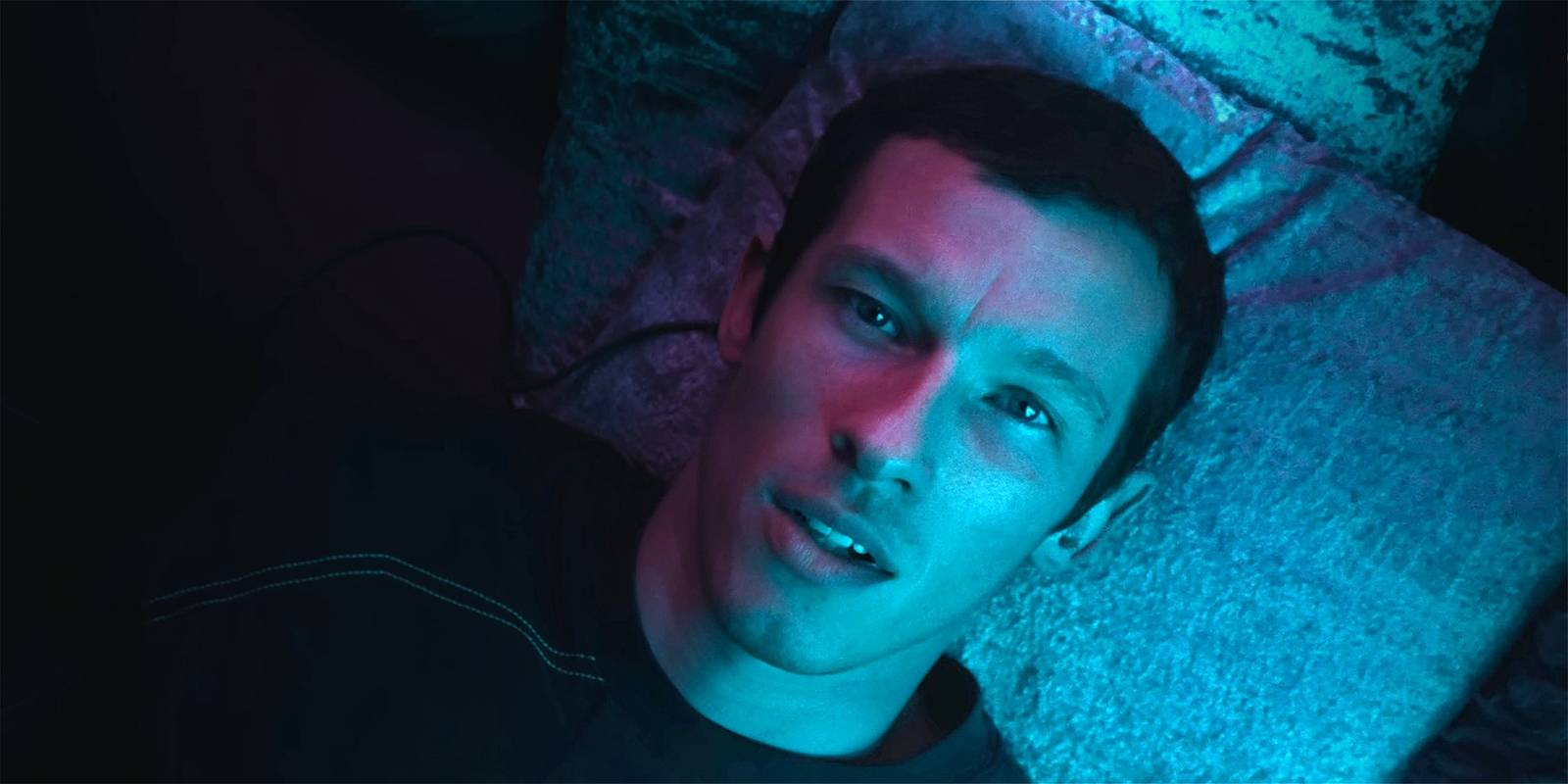
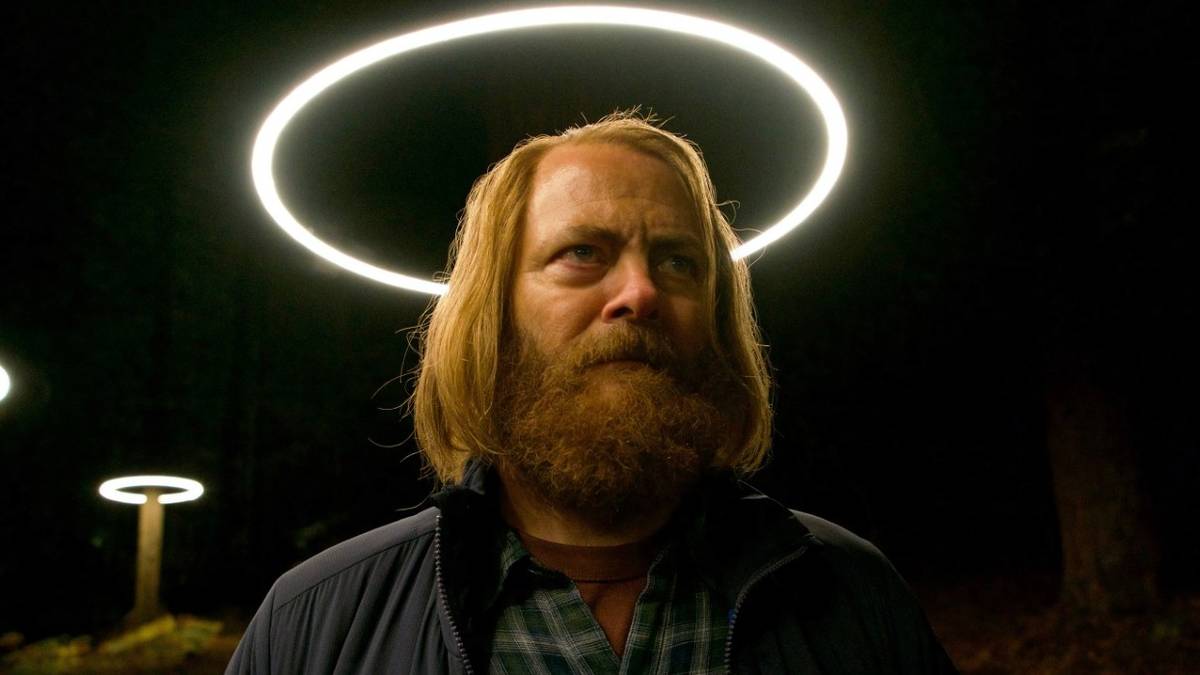
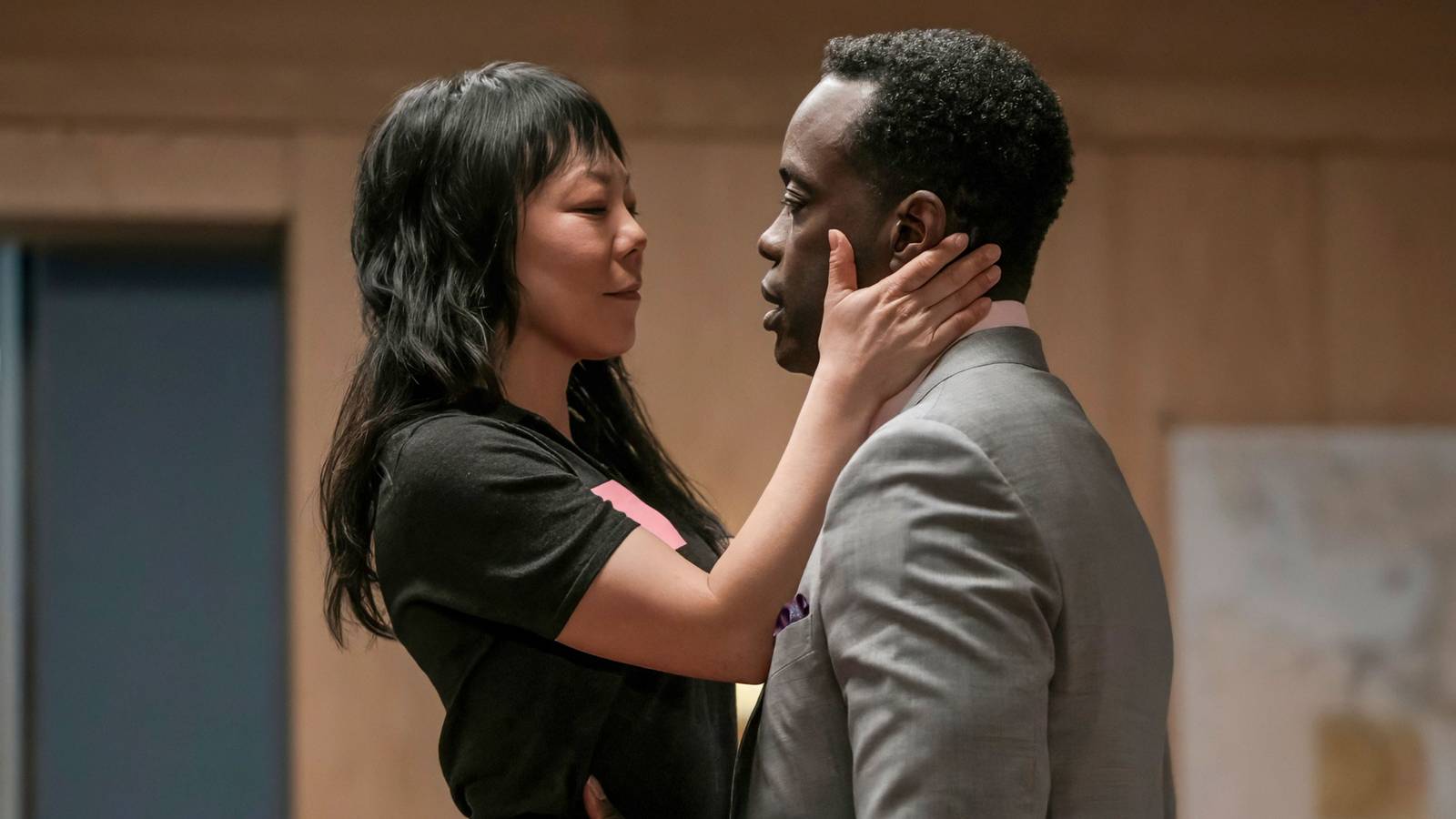
The story follows software engineer Lily Chan (Sonoya Mizuno), whose world shatters when her boyfriend Sergei (Karl Glusman) is recruited—and then mysteriously killed—by the secretive "Devs" division of their employer, the tech titan Amaya. Led by the enigmatic CEO Forest (Nick Offerman), Devs is building a machine of unimaginable power: a quantum computer that can project any moment from the past with perfect accuracy. This revelation, arriving early in the series, throws the very notion of free will into a tailspin, suggesting the universe might be a fixed script where every action is preordained.
The Shot That Says Everything
The series builds toward a pivotal scene in its fifth episode. As Lily steps into the heart of the Devs machine, the visual language of the show shifts. The camera holds perfectly still on her face, framed against the glowing, gold circuitry of the projector. All background noise and score fade away, creating a vacuum of sound. In this stark, silent composition, the intricate patterns of the machine align around her like a digital halo. This isn't just stylish cinematography; it's a thesis statement made visual.
This shot is powerful because it embodies the central paradox of the narrative. Lily, the show's defiant protagonist who fights against the deterministic world Forest has built, is literally framed by the very machine that claims to prove her choices are an illusion. The stillness forces the audience to sit with the unsettling implication: are we witnessing a moment of clarity, or a visual representation of a trap? Garland uses this precise framing to suggest a crack in the deterministic theory, hinting that perhaps time isn't as rigid as the Devs team believes, setting the stage for the series' explosive conclusion.
Garland's Signature Existential Dread
If this moment leaves you feeling deeply unsettled, that's by design. Alex Garland has built a career on translating existential anxiety into gripping sci-fi, from the claustrophobic horror of Ex Machina to the biological nightmares of Annihilation. With Devs, he trades body horror for a more cerebral fear—the terror that your life's path is already written. The show asks if we are authors of our own destiny or merely actors reading lines from a cosmic script, a question potent enough to fuel a week of sleepless nights.
Garland's inspiration is rooted in real scientific concepts. At a 2019 convention, he explained his fascination with determinism—the principle that every event is caused by a preceding one. "If you are at a computer powerful enough," he mused, "you could use determinism to predict the future and understand the past." This philosophical groundwork is what makes Devs more than a simple tech thriller; it's a meticulously constructed argument about the nature of reality itself.
By centering this complex debate around one iconic image, Garland proves his mastery can translate from the big screen to the serialized format. The shot is a landmark moment in modern television sci-fi, demonstrating how a single frame can carry the weight of an entire story's theme. It's a technique that places Devs among other definitive sci-fi masterpieces of its era, demanding to be analyzed and remembered.
For viewers seeking similarly taut, complete narratives, the miniseries format continues to deliver binge-worthy perfection. And for those who appreciate when genre television achieves a rare kind of artistic clarity, Devs stands as a high-water mark. It joins the ranks of shows like Chernobyl in proving that limited series can deliver a focused, powerful punch, leaving a lasting impression long after the final credits roll.
All eight episodes of this visually stunning and philosophically rich journey are available to stream on Hulu. It's a must-watch for anyone who loves their science fiction to be as intellectually challenging as it is visually arresting.