Some stories are so powerful, they demand to be told in a single, unforgettable sitting. The miniseries format, when executed flawlessly, can deliver a narrative punch that lingers for years. Few examples prove this point better than HBO's Chernobyl, a five-part drama that, years after its debut, stands as one of the most compelling and perfectly structured binge-watches in television history.
A Disaster Unfolds With Unrelenting Tension
For those who haven't experienced it, Chernobyl meticulously chronicles the catastrophic 1986 explosion at the Chernobyl Nuclear Power Plant. The series goes far beyond a simple historical recounting. It plunges viewers into the terrifying, minute-by-minute chaos following the reactor core's explosion, revealing how the world teetered on the brink of an even greater catastrophe. The show's chilling accuracy highlights a frightening reality: the potential for a secondary, thermonuclear explosion threatened to vaporize vast regions and poison the water supply for millions across Europe.
The narrative's relentless pace is a key ingredient in its binge-worthy appeal. Each episode tackles a new, escalating crisis—from containing the initial fire to preventing a massive steam explosion—creating a domino effect of suspense. Just as one horrifying problem is addressed, another emerges, making the five-hour journey impossible to pause. This structure ensures there's never a dull moment, masterfully balancing dense scientific detail with human drama.
Truth vs. Lies: A Battle That Defines an Era
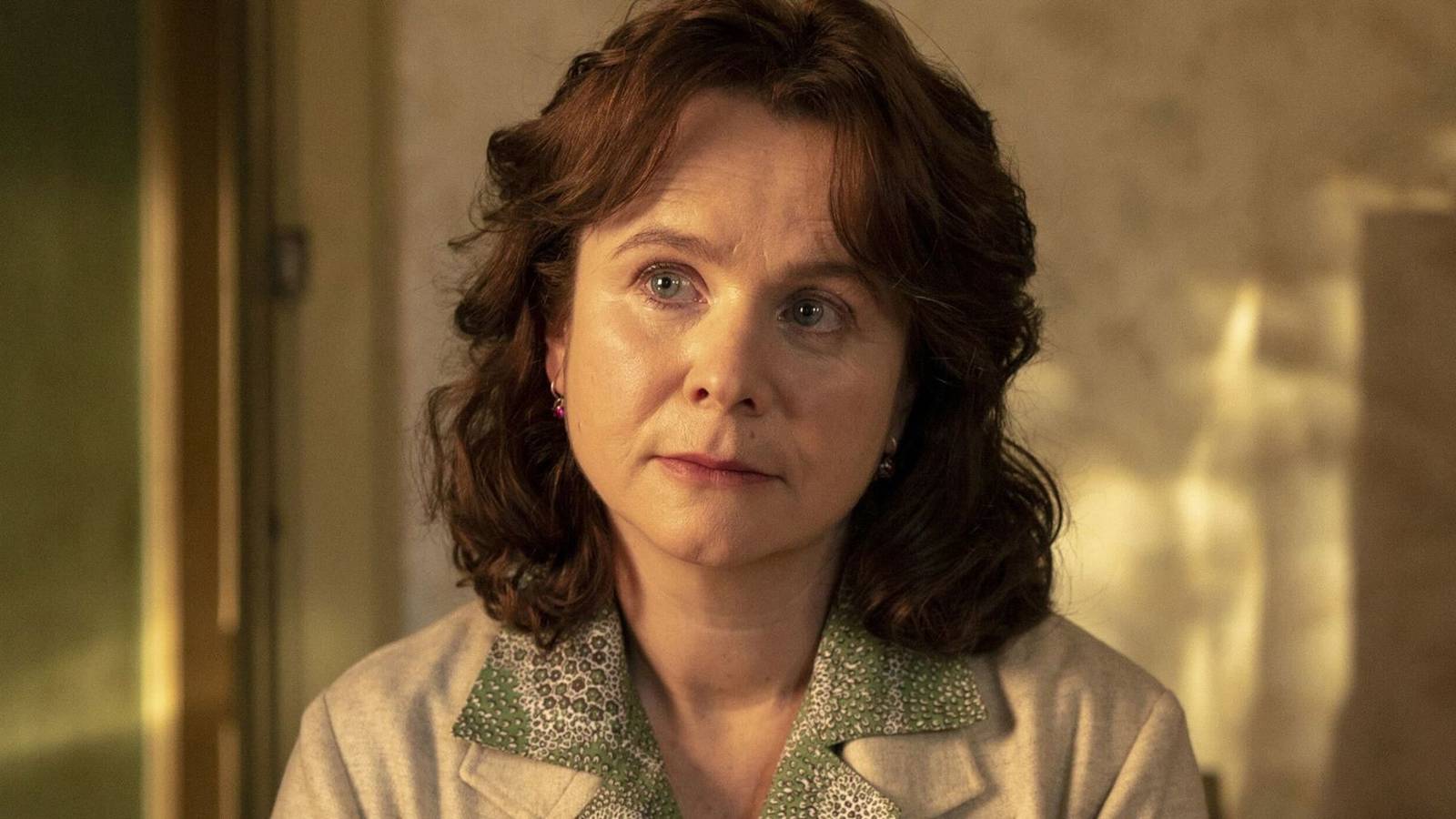
At its core, Chernobyl is a profound exploration of truth in the face of systemic deception. The series frames this battle through three central figures: scientist Valery Legasov (Jared Harris), who understands the terrifying science; Soviet official Boris Shcherbina (Stellan Skarsgård), who represents the state's instinct to conceal; and nuclear physicist Ulana Khomyuk (Emily Watson), who embodies the relentless pursuit of facts.
Their clashes are not just bureaucratic—they are a matter of global survival. The show argues compellingly that the lies and secrecy of the Soviet regime exponentially increased the danger, putting countless lives at risk to protect political perceptions. This central theme—that ignoring reality has devastating consequences—resonates powerfully in today's climate, making the series feel urgently relevant rather than a mere history lesson.
Why It's the Perfect Binge, Years Later
What cements Chernobyl as a top-tier binge is its self-contained perfection. With no filler episodes and a narrative that builds to a devastatingly powerful conclusion, it delivers a complete, cinematic experience in one sitting. The performances are uniformly exceptional, with Harris, Skarsgård, and Watson creating characters whose moral struggles are as gripping as the physical disaster surrounding them.
The series also serves as a benchmark for how to adapt real-world events with both respect and narrative thrust. It doesn't just show what happened; it makes you feel the weight of every decision and the cost of every lie. For fans of tightly plotted, thought-provoking television, it remains a pinnacle. If you're looking for a flawless miniseries experience, this is it.
A Legacy That Endures
While many shows fade from memory, Chernobyl has secured its place as a modern classic. It’s a harrowing watch, steeped in dread and anxiety, but it’s also brilliantly crafted and profoundly important. It demonstrates the unique power of the miniseries to delve deep into a single event and extract universal truths about human nature, governance, and courage.
Whether it's your first viewing or a revisit, the series loses none of its impact. In an era of endless streaming options, Chernobyl distinguishes itself as a complete, masterful story that demands and deserves your full attention. It’s more than a show about a disaster; it’s a timeless warning and a testament to the heroes who fought to reveal the truth, solidifying its status as one of HBO's greatest achievements and a binge-worthy masterpiece for the ages.