Marvel's mutants have been a cornerstone of pop culture for decades, but the path from comic panels to blockbuster screens wasn't always clear. A new revelation from Catherine Disher, the voice of Jean Grey in X-Men: The Animated Series, sheds light on how a single cartoon decision forever altered the course of Marvel's onscreen mutants—and directly influenced Bryan Singer's live-action X-Men trilogy.
Speaking at a high-profile panel at Big Lick Comic Con in Northern Virginia, Disher joined fellow voice actor Alison Sealy-Smith (Storm) to discuss their enduring connection to the X-Men family. The conversation, moderated by Collider's Maggie Lovitt, took a fascinating turn when Disher recalled a conversation with Larry Houston, the creator and producer of X-Men: The Animated Series.

The Birth of a Family
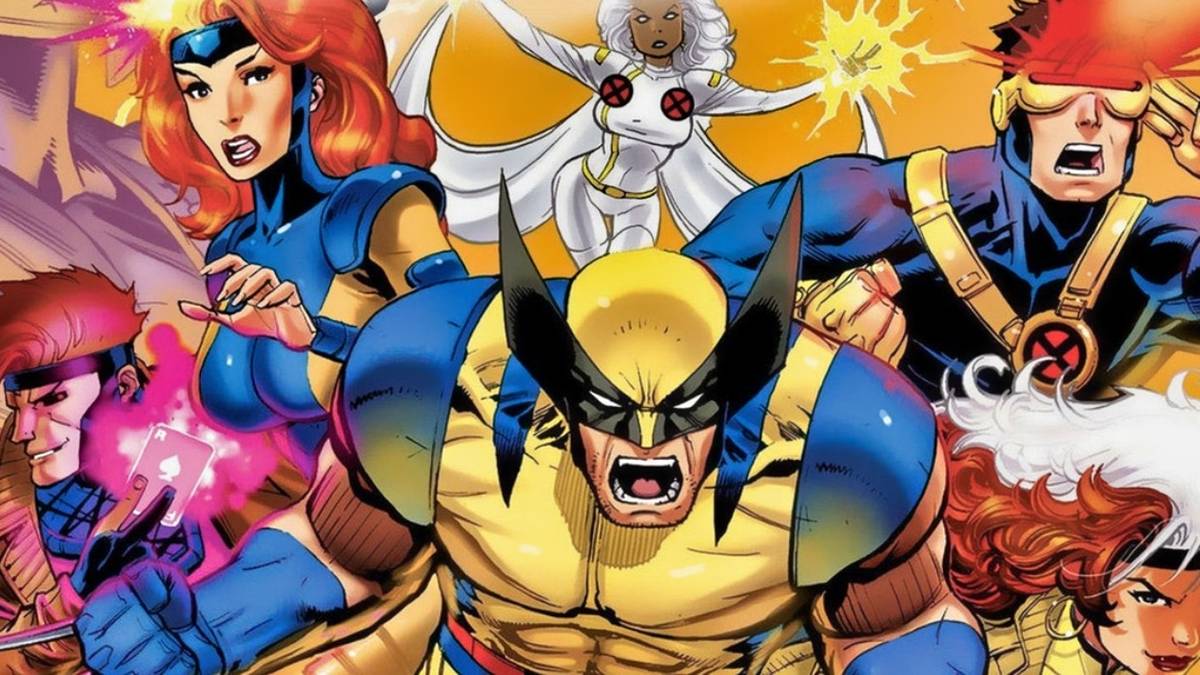
Houston faced a daunting task: selecting which mutants from a vast roster would anchor the show. His choices—Wolverine, Cyclops, Professor X, Storm, Jean Grey, and others—were not random. Disher explained that Houston deliberately crafted a group dynamic he called "a family of X-Men." This familial core resonated deeply with audiences, many of whom were introduced to the X-Men through the cartoon.
"Larry created that family," Disher said. "And then, the director of the first live-action X-Men movie knew very little about the X-Men. He watched the cartoon, and that's why many of those characters were featured in the films and have continued to be central to the franchise ever since."
Bryan Singer's Blueprint
When Bryan Singer signed on to direct X-Men (2000), he was famously not a Marvel Comics devotee. To get up to speed, he turned to the animated series. The result? The core team from the cartoon—Wolverine, Cyclops, Professor X, Storm, and Jean Grey—became the foundation of Singer's trilogy. Without Houston's curation, the live-action films might have spotlighted characters like Bishop, Polaris, Cable, or Cannonball instead.
This influence extended through X2: X-Men United (2003) and even into the third film, X-Men: The Last Stand (2006), though Singer did not direct the finale. The character dynamics and story arcs established by the cartoon were so integral that later installments couldn't easily pivot to a new roster.
A Legacy That Endures
The animated series' impact hasn't faded. The recent hit X-Men '97, a direct continuation of the original show, proves that fans still crave that family dynamic. As Marvel Studios develops a live-action X-Men reboot, the lessons from Houston's choices remain relevant.
For those eager to revisit the roots of this legacy, the first season of X-Men '97 is streaming on Disney+. Season 2 arrives on July 1. And if you're looking for more mutant action, check out our exclusive first look at summer 2026's hottest movies, including the upcoming Supergirl film. Meanwhile, fans of genre-defining storytelling might enjoy our piece on four horror masterpieces that forever changed the genre.
Ultimately, the X-Men's journey from Saturday morning cartoons to cinematic icons is a testament to the power of thoughtful character selection. As Disher put it, Houston's "family of X-Men" didn't just entertain—it shaped the future of Marvel onscreen.