Horror cinema stands on the shoulders of giants. While today's box office is dominated by chilling hits like Obsession, Iron Lung, and Backrooms, these modern successes owe a debt to the genre's foundational pillars. Four films, in particular, have earned their place on horror's Mount Rushmore, shaping everything from storytelling techniques to cultural conversations.
The Exorcist (1973)
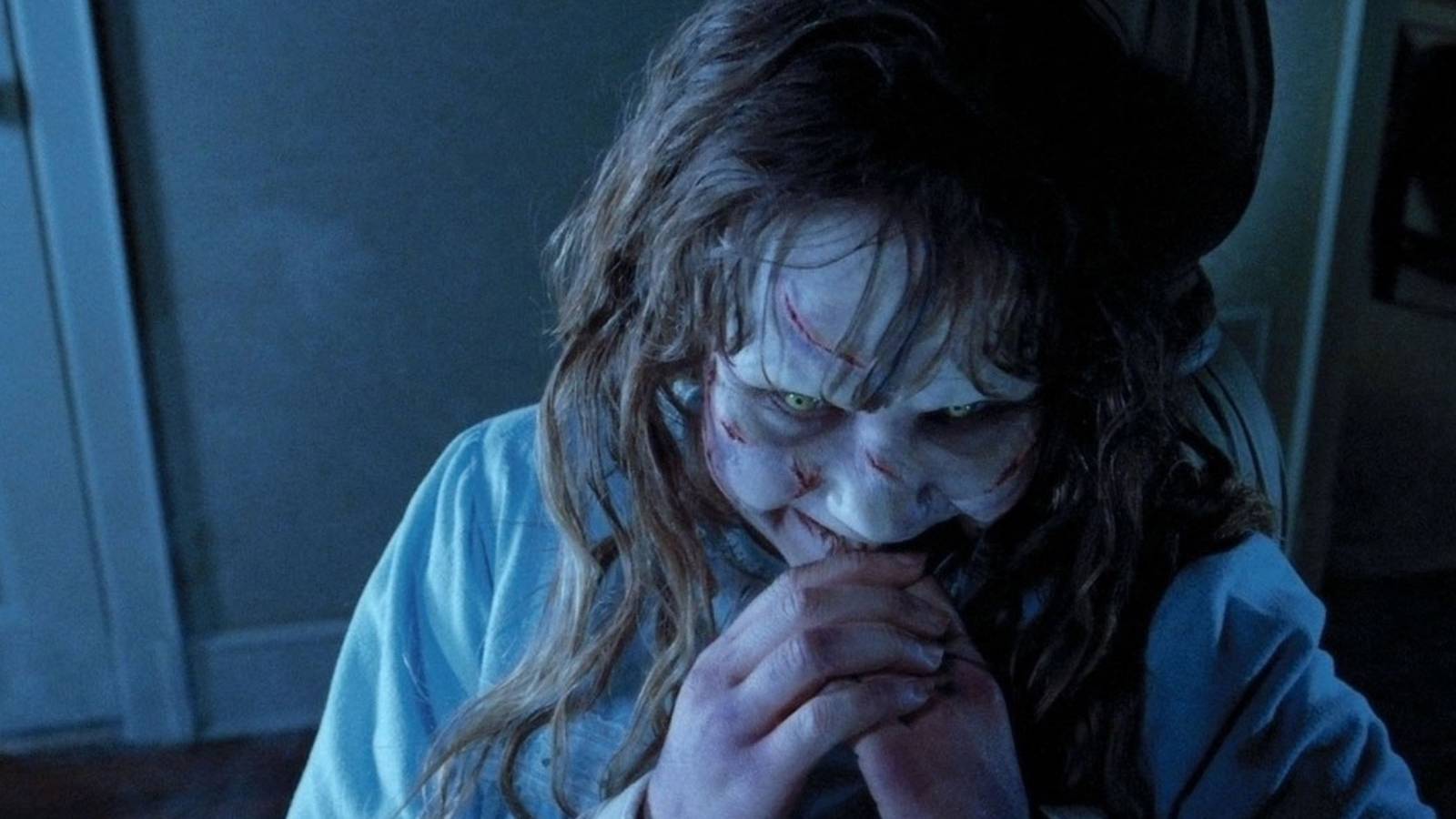
William Friedkin's The Exorcist remains the gold standard for supernatural terror. This 1973 classic follows a young girl possessed by a demonic entity, forcing her mother and two priests into a harrowing battle for her soul. The film's genius lies in its unrelenting dread—even quiet scenes pulse with impending doom. Linda Blair's performance as Regan is still jaw-dropping, while Ellen Burstyn and Max von Sydow deliver deeply human portrayals. It's a nightmare that never lets go, cementing its status as one of the most influential horror films ever made.
Psycho (1960)
Alfred Hitchcock's Psycho didn't just scare audiences—it rewrote the rules. This proto-slasher introduced the world to Norman Bates (Anthony Perkins) and the infamous shower scene, breaking censorship barriers and redefining suspense. The story of a thief who stumbles into a remote motel run by a seemingly friendly owner changed horror storytelling forever. Its black-and-white imagery and psychological twists remain iconic, proving that tension and character can be more terrifying than any monster.
The Silence of the Lambs (1991)
For decades, horror was dismissed as lowbrow schlock—until Jonathan Demme's The Silence of the Lambs shattered that perception. This intense thriller follows FBI trainee Clarice Starling (Jodie Foster) as she seeks help from the brilliant but monstrous Dr. Hannibal Lecter (Anthony Hopkins) to catch a serial killer. The film's sharp script, flawless pacing, and powerhouse performances earned it a historic Best Picture Oscar—the only horror film to ever win. It's a masterclass in psychological horror and acting, proving the genre can achieve the highest artistic acclaim.
Night of the Living Dead (1968)
George A. Romero's Night of the Living Dead didn't just create the modern zombie—it revolutionized horror. This low-budget 1968 masterpiece introduced flesh-eating ghouls and social commentary that still resonates. Its raw, documentary-style realism and bleak ending challenged audiences, spawning an entire subgenre. Without Romero's vision, we wouldn't have The Walking Dead or countless other undead tales. It's the granddaddy of zombie horror, and its influence is immeasurable.
These four films aren't just important—they're essential. For more on how horror uses deeper themes, check out The Best Metaphorical Horror Movies of All Time, Ranked. And if you're craving more scares, see what Guillermo del Toro has to say about Apple TV+'s Widow's Bay in Guillermo del Toro Hails Apple TV+'s 'Widow's Bay' as a Horror Masterpiece.