Horror has always been a genre that thrives on more than just jump scares and gore. The best horror films use their monsters and mayhem to explore real-world fears, from societal collapse to personal trauma. These metaphorical horror movies are not only terrifying but also thought-provoking, using allegory to make powerful statements that resonate long after the credits roll.
From zombies representing consumerism to shape-shifting entities symbolizing STDs, these films prove that horror can be a potent vehicle for social commentary. Here are the greatest metaphorical horror movies of all time, ranked.
10. 'Midsommar' (2019)
Ari Aster's Midsommar is a visually stunning masterpiece that uses a pagan festival as a metaphor for a toxic relationship. Dani (Florence Pugh) is grappling with family trauma and an emotionally immature boyfriend, Christian (Jack Reynor). Their trip to a seemingly idyllic Swedish summer festival turns into a brutal ritual that mirrors the painful process of a breakup. The film suggests that ending a relationship can feel like a death, but also offers the possibility of rebirth and empowerment.
9. 'It Follows' (2014)
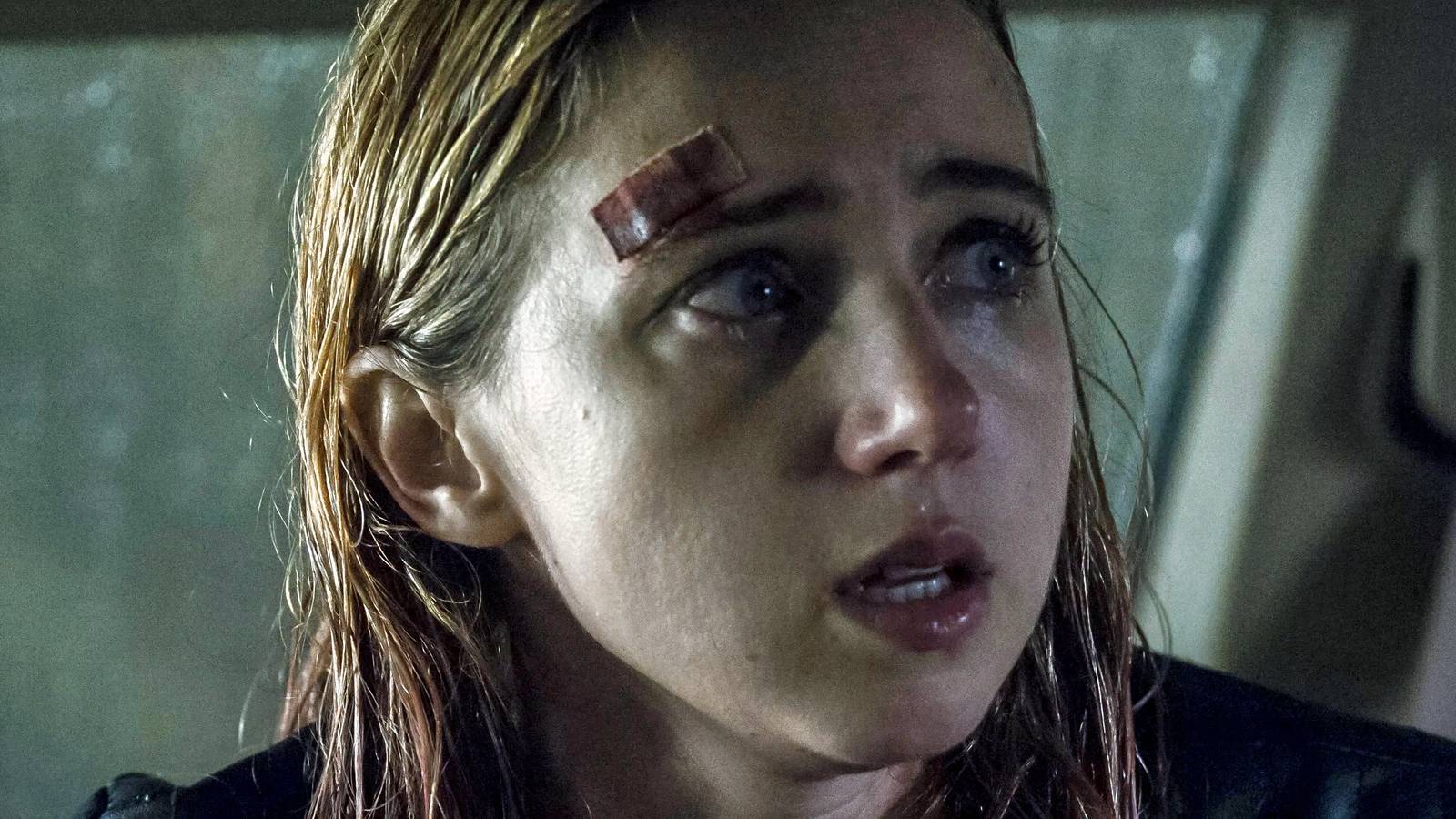
David Robert Mitchell's It Follows is a clever horror film that uses a sexually transmitted curse as a metaphor for the consequences of casual sex and the inevitability of mortality. After a sexual encounter, teenager Jay (Maika Monroe) is pursued by a relentless, shape-shifting entity. The film builds tension masterfully, exploring themes of guilt, responsibility, and the anxiety of growing up. It's a chilling reminder that every choice has consequences.
8. 'They Live' (1988)
John Carpenter's They Live is a satirical sci-fi horror that uses aliens as a metaphor for the ruling class. John Nada (Roddy Piper) discovers a pair of sunglasses that reveal the truth: wealthy elites are actually alien monsters controlling society. The film is a blistering critique of Reagan-era capitalism and the "trickle-down" economy, suggesting that the 1% are truly inhuman. With iconic one-liners and unforgettable skull-faced villains, it remains a cult classic.
7. 'The Monster' (2016)
Bryan Bertino's The Monster uses a literal creature to represent the horrors of addiction. Kathy (Zoe Kazan) is an alcoholic single mother struggling to care for her daughter, Lizzy (Ella Ballentine). When they become stranded on a remote road, they are stalked by a terrifying beast. The monster is a physical manifestation of Kathy's alcoholism, and her fight to protect her daughter becomes a battle for sobriety and redemption.
6. 'Rosemary's Baby' (1968)
Roman Polanski's Rosemary's Baby is a landmark horror film that uses a satanic pregnancy as a metaphor for the loss of bodily autonomy and the oppression of women in a patriarchal society. Rosemary (Mia Farrow) is manipulated by her husband and neighbors into carrying the devil's child. The film explores themes of gaslighting, medical misogyny, and the terrifying vulnerability of pregnancy. It remains a powerful feminist allegory.
5. 'The Fly' (1986)
David Cronenberg's The Fly is a body horror masterpiece that uses a scientist's transformation into a human-fly hybrid as a metaphor for disease and decay. Seth Brundle (Jeff Goldblum) slowly loses his humanity as his body merges with a fly's. The film is a poignant exploration of illness, aging, and the fear of losing oneself. It's a tragic love story wrapped in grotesque horror.
4. 'Dawn of the Dead' (1978)
George A. Romero's Dawn of the Dead is a classic zombie film that uses the undead as a metaphor for consumerism. The survivors take refuge in a shopping mall, where the zombies mindlessly shuffle through the aisles, mirroring the empty pursuit of material goods. The film is a scathing critique of American consumer culture, suggesting that we are all zombies in a capitalist society.
3. 'Get Out' (2017)
Jordan Peele's Get Out is a groundbreaking horror film that uses the "sunken place" as a metaphor for systemic racism. Chris (Daniel Kaluuya) visits his white girlfriend's family, only to discover a horrifying conspiracy to transplant white brains into Black bodies. The film explores themes of cultural appropriation, microaggressions, and the insidious nature of racism. It's a sharp, terrifying commentary on race in America.
2. 'The Babadook' (2014)
Jennifer Kent's The Babadook uses a monster from a children's book as a metaphor for grief and depression. Widowed mother Amelia (Essie Davis) is haunted by a creature that represents her unprocessed trauma and anger. The film is a powerful exploration of mental illness, showing how suppressing emotions can lead to a monstrous breakdown. It's a deeply moving and terrifying film.
1. 'Hereditary' (2018)
Ari Aster's Hereditary is a modern horror classic that uses a family curse as a metaphor for inherited trauma and mental illness. After the death of her mother, Annie (Toni Collette) and her family are plagued by supernatural events that mirror their own dysfunction. The film explores themes of grief, guilt, and the inescapable nature of family legacy. It's a devastating and unforgettable horror experience.