After seven years and three seasons, HBO's Euphoria has officially closed its neon-drenched chapter—but the path to that finale was anything but straightforward. Creator Sam Levinson recently sat down with The New York Times to discuss how a real-life tragedy forced him to completely overhaul his original vision for the show's conclusion.
What started as a hazy, emotionally charged high school drama evolved into a gritty neo-Western crime saga, complete with Nazis, assassins, and cartel lords. The series finale even paid homage to Martin Scorsese's Taxi Driver in its third act. But the most significant change came from within: the death of cast member Angus Cloud from an accidental drug overdose.
Levinson admitted that Cloud's passing compelled him to confront the fentanyl crisis head-on. "Once he passed away, I had to reconceive the script," Levinson said. "You can't tell a story about addiction today without the very real consequences. Most people don't get a second chance. Fentanyl can just take you out in an instant."
The showrunner noted that the drug landscape has shifted dramatically since his own youth. "It wasn't like when I was growing up; you could literally take pills off the street and you might have a bad trip or something, but you'd be fine. This is something that hits close to home for a lot of people in this country. So it felt like the responsible thing to do."
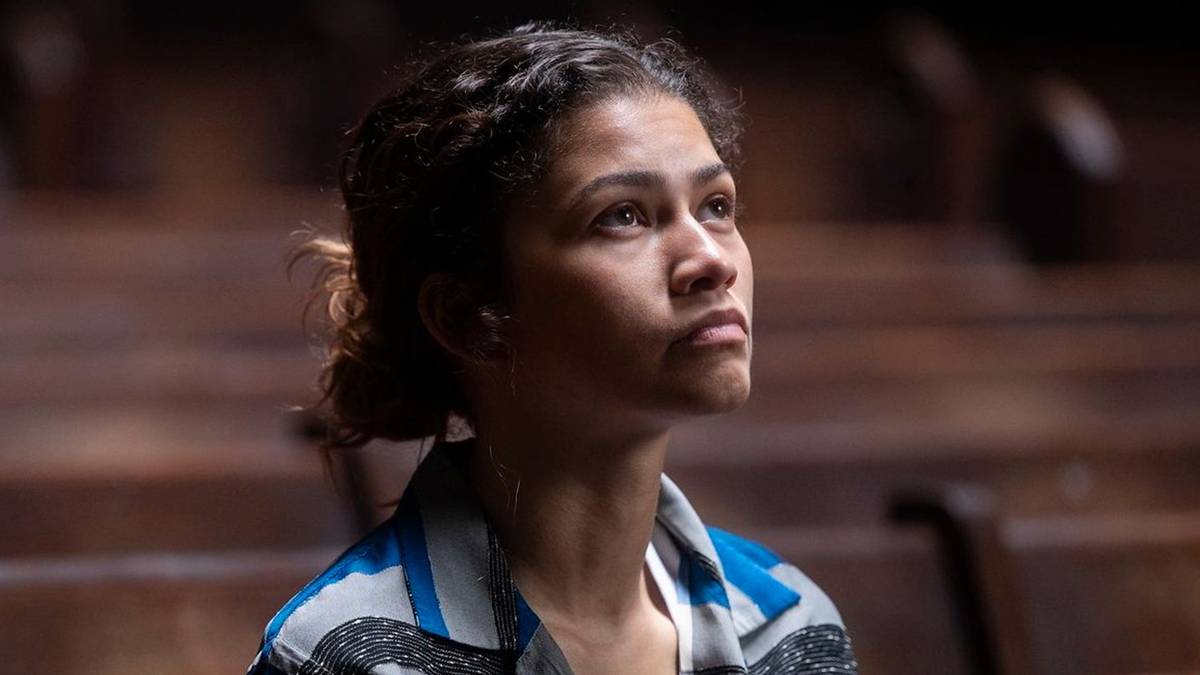
When asked if the finale was pessimistic, Levinson pushed back. "You think? I don't think of it as pessimistic. Her at the table in the end, it's grace." He acknowledged the series serves as a cautionary tale, calling the climax "a tragic one in the end—but it's also the truth. If you are experimenting or taking drugs today, it's very possible it'll kill you."
Levinson explored the brittle nature of sobriety through Rue's character, praising Zendaya for delivering an all-timer performance. He cited a conversation between Sydney Sweeney and Maude Apatow's characters in the episode's final moments as a sign of renewal. "There's definitely a fragility there. But it's a renewal of sorts. If we can kind of get our [expletive] together and take care of our loved ones and maybe believe in something a little greater than ourselves, then we can carve out a future."
The larger thematic goal for the final season, Levinson explained, "was pulling back the illusions of the world that we live in." To achieve this, he "needed to put the audience in the position of a family member who loses someone that they love."
Euphoria premiered in 2019 and quickly became a flagship title for HBO, launching the careers of stars like Zendaya, Sydney Sweeney, and Jacob Elordi. Following the Season 3 finale, Levinson confirmed the show had run its course. For a deeper dive into the finale's most shocking moments, check out our breakdown of Euphoria Season 3's Most Jaw-Dropping Moments, Ranked.
While some critics have argued that Euphoria's messy finale proves Season 3 was never necessary, Levinson remains steadfast in his creative choices. The finale also featured Adewale Akinnuoye-Agbaje, who discussed the meaning of his character Alamo and deleted scenes with Sydney Sweeney in a recent interview—read more in Euphoria Finale: Adewale Akinnuoye-Agbaje on Alamo's Meaning.
As the dust settles on one of the most influential shows of the decade, Levinson's candid reflections remind us that sometimes the most powerful stories are born from the deepest pain.