When Euphoria first premiered on HBO, it sparked a cultural firestorm with its unflinching look at teen addiction, trauma, and identity. But by the time the series wrapped its third and final season, many fans were left wondering: Did we really need this? The answer, it turns out, is a resounding no. What started as a raw, hyper-stylized exploration of Gen Z angst devolved into a convoluted crime epic that betrayed its own characters and themes.
A Show That Lost Its Way
Creator Sam Levinson always had a flair for the dramatic, but Euphoria Season 3 felt less like a natural conclusion and more like a homage to his favorite crime films. The pivot from intimate character studies to a sprawling underworld saga was jarring. Characters who once felt relatable became caricatures: Nate (Jacob Elordi) met a brutal end, Cassie (Sydney Sweeney) turned into a parody of herself, and Maddy (Alexa Demie) made baffling choices. Even Lexi (Maude Apatow) was reduced to a hollow Hollywood figure, while Jules (Hunter Schafer) was barely present.
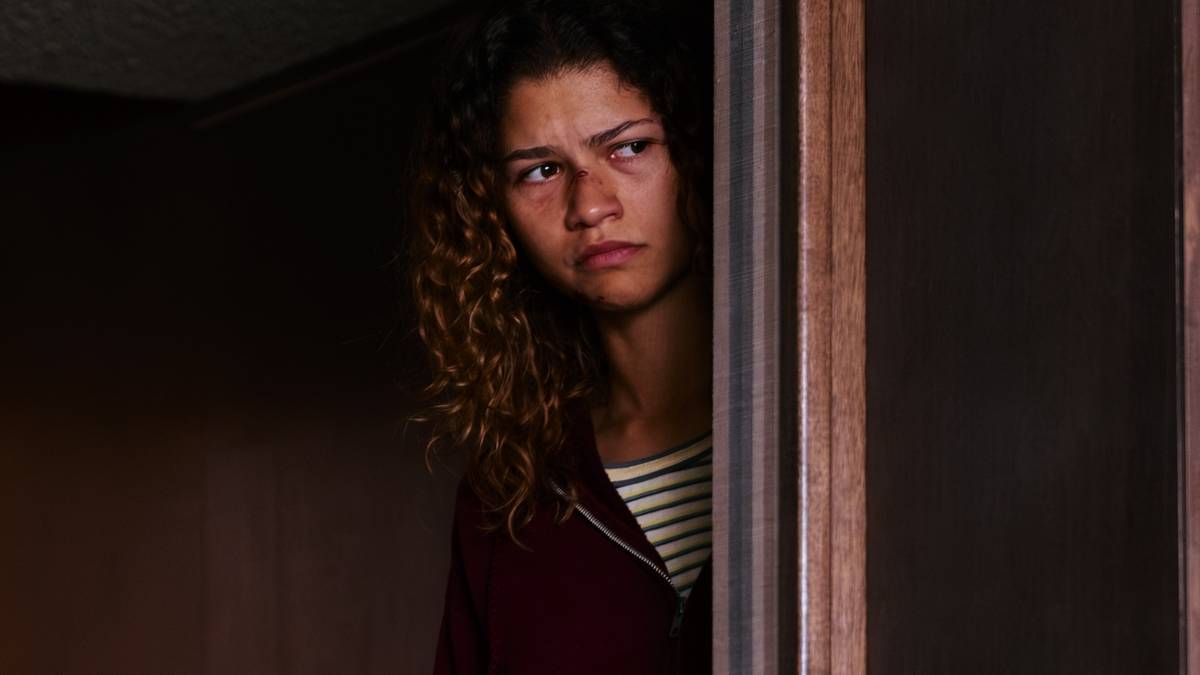
The biggest casualty, however, was Rue (Zendaya). The character who once symbolized hope and resilience was dragged through a grim narrative that left her broken. Instead of exploring her recovery, Season 3 plunged her into a world of neo-Nazis and violent criminals, with her brief moments of happiness revealed to be a dream. It was a cruel twist that undermined everything the show had built.
The Finale's Missteps
The series finale doubled down on these missteps. Rue's death, while bold, felt hollow. It was used to justify a revenge mission for her sponsor Ali (Colman Domingo), a character previously defined by his peace and patience. His transformation into a vigilante, complete with a Rolling Thunder-style rampage, felt forced and disrespectful to his arc. The show's sudden Christian overtones only added to the confusion, with Rue framed as a Moses-like figure and Ali abandoning his Muslim faith in the final scene.
These choices didn't just fail Rue; they failed the audience. Euphoria had always been excessive, but its first two seasons used that excess to mirror the chaotic mindset of youth. Season 3, by contrast, tried to ground its characters in a gritty reality that only referenced other movies. The result was a disjointed mess that left little room for emotional payoff.
What Could Have Been
Looking back, Season 2's ending—with Rue committing to sobriety and a hopeful future—would have been a far more fitting conclusion. It allowed viewers to imagine a path forward for these characters, rather than watching them spiral into despair. The show's legacy, already complicated by its uneven storytelling, is now further tarnished by a finale that felt more like a betrayal than a resolution.
Zendaya's career remains unstoppable, with major projects like Dune: Part Three and Spider-Man 4 on the horizon. But her work as Rue deserved better. Euphoria could have been a beacon for those struggling with addiction and trauma; instead, it ended as a cautionary tale about the dangers of overstaying your welcome.
For more on how shows can stick the landing, check out our analysis of how 'Hacks' co-creators crafted the perfect ending. And if you're in the mood for a crime drama that actually works, NBC's 'The Hunting Party' might be worth a binge.