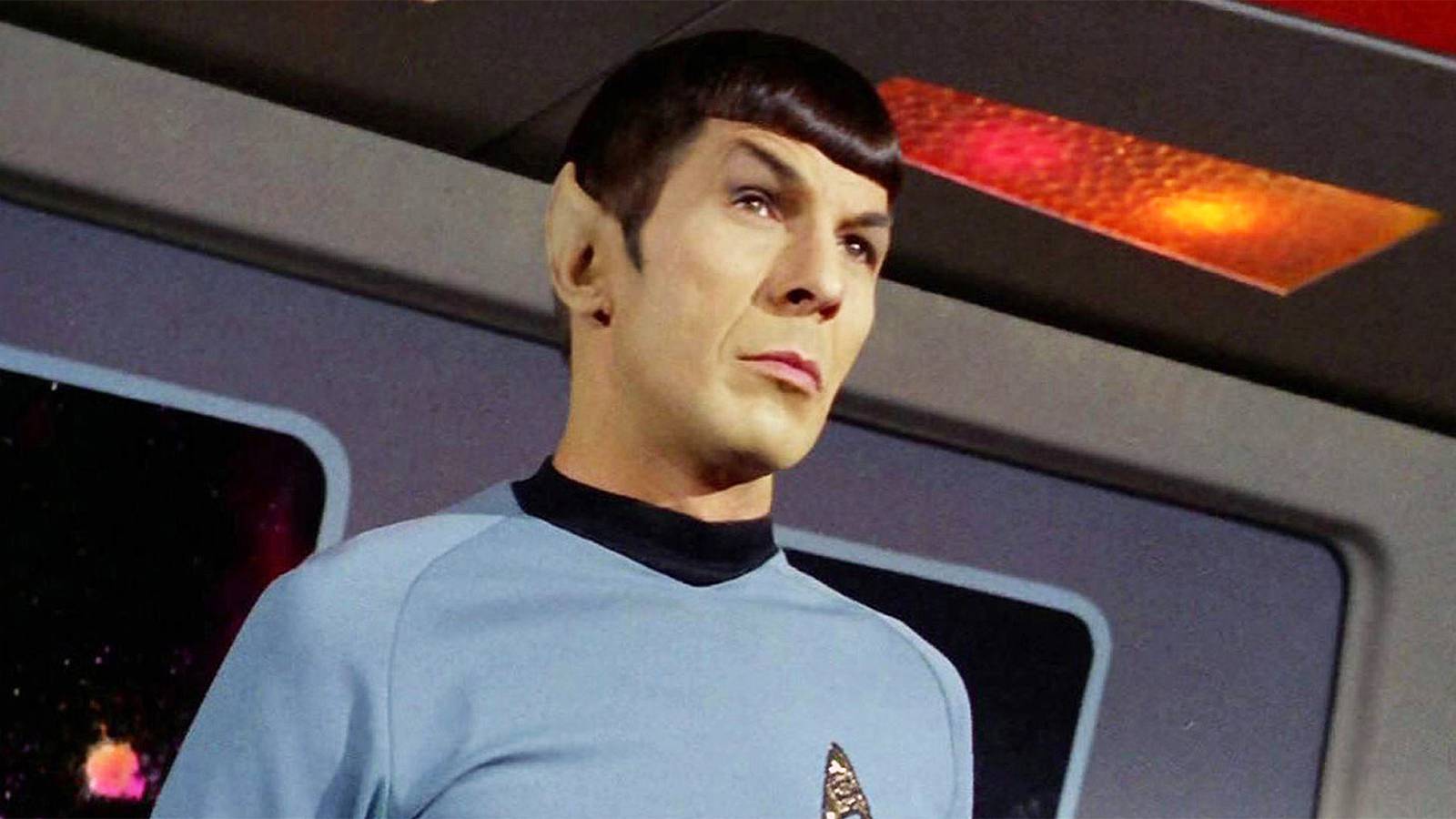
In the vast universe of Star Trek: The Original Series, few characters are as instantly recognizable as Spock. With his pointed ears, arched eyebrows, and calm logic, the half-Vulcan science officer became a cultural touchstone. But what many fans don't realize is that Spock's iconic look was born not from creative vision alone, but from a severe budget crisis. Creator Gene Roddenberry had to work with limited resources, and that financial constraint ended up defining one of the most beloved characters in sci-fi history.
The Budget That Shaped a Legend
When Roddenberry pitched Star Trek in the 1960s, he dreamed of a multicultural crew exploring the galaxy. He wanted multiple alien species aboard the USS Enterprise to showcase a hopeful, progressive future. But television budgets at the time were tight—especially for a sci-fi series that already required expensive sets and effects. As Leonard Nimoy later explained to Smithsonian Magazine, Roddenberry "was determined to have at least one extraterrestrial prominent on his starship. He'd like to have more, but making human actors into other life-forms was too expensive for television in those days."

So Roddenberry settled on one alien: Mr. Spock. The character would be half-human, half-Vulcan, allowing for a simple makeup design that wouldn't break the bank. Nimoy recalled that the makeup consisted of "pointed ears, skin color, plus some changes in eyebrows and hairstyle." That was all the budget could afford—and it turned out to be more than enough.
Simplicity That Stood the Test of Time
Spock's makeup was minimalist but effective. The bowl-cut hair and sharp eyebrows gave him a dignified, otherworldly appearance that perfectly matched his logical personality. The pointed ears became a symbol not just for Star Trek, but for the entire science fiction genre. Roddenberry's cost-cutting measure inadvertently created a look that was both striking and timeless. It reinforced the show's thoughtful, introspective tone and set a visual standard for the franchise that would last for decades.
This approach also influenced how Star Trek portrayed alien races in later series. From the Klingons to the Andorians, most species in the franchise are humanoid—a direct result of the original show's budget limitations. Even in Star Trek: The Next Generation, with its larger budget, the Cardassians, Bajorans, and Ferengi all share a basic humanoid shape. This contrasts sharply with franchises like Star Wars, which feature more diverse alien designs. But for Star Trek, the humanoid look became a signature style, rooted in practicality and carried forward as a creative choice.
Interestingly, the same budget-conscious approach that gave us Spock also shaped other aspects of the show. For example, the iconic monster movie metaphors in later sci-fi often rely on simple, effective designs—a lesson Star Trek learned early on.
Spock's Enduring Legacy
Spock's influence extends far beyond the original series. He established the Vulcans as a key race in the Star Trek universe, and his logical demeanor became a template for countless characters in other shows. The simplicity of his makeup also allowed Nimoy to focus on performance, bringing depth and nuance to a role that could have been purely gimmicky. As a result, Spock remains one of the most celebrated characters in entertainment history.
Roddenberry's budget crisis turned out to be a blessing in disguise. By forcing a minimalist approach, it created a character that was both iconic and affordable—a lesson in how constraints can spark creativity. Today, Spock's pointed ears are as recognizable as Superman's cape or Batman's cowl, proving that sometimes less really is more.
For more on how Star Trek influenced pop culture, check out our analysis of iconic designs in video games and character rankings that show how simplicity can create lasting appeal.