If you thought you'd seen every twist on the monster movie genre, think again. Bryan Fuller's feature film debut, Dust Bunny, is a dazzling, darkly whimsical ride that redefines what a creature feature can be. Known for his work on cult TV series like Pushing Daisies and Hannibal, Fuller brings his signature blend of violence and wonder to the big screen. The result? The most original monster movie of the last decade, now streaming on HBO Max.
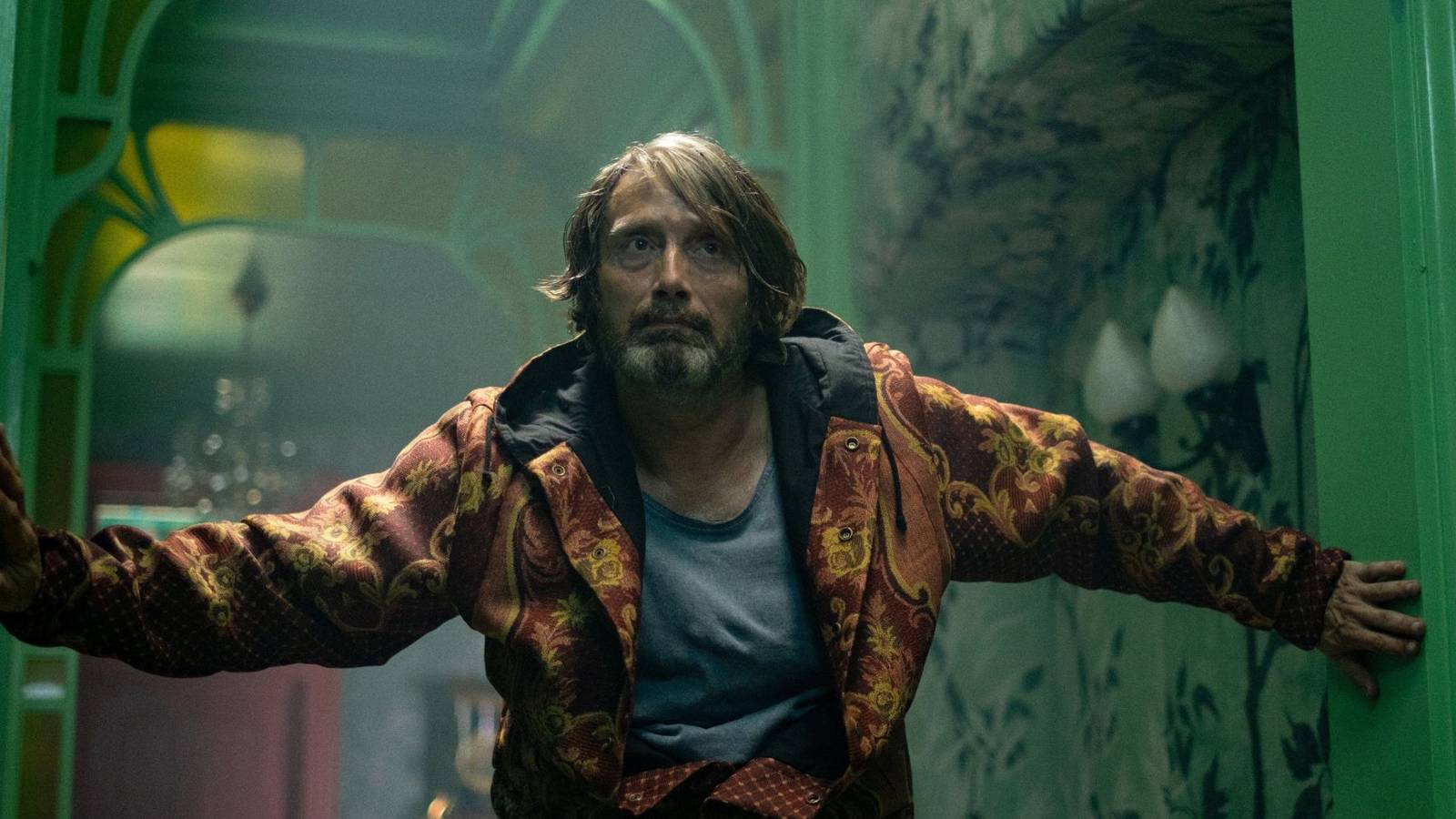
The story centers on 10-year-old Aurora (Sophie Sloan), who conjures a monster from dust bunnies under her bed. After the creature devours her foster parents, she enlists her mysterious neighbor, a hitman played by Hannibal alum Mads Mikkelsen, to help her kill it. But as with any Fuller project, nothing is as simple as it seems. The neighbor, known only as 'Intriguing Neighbor,' is morally gray and haunted by his own childhood demons. Together, they form an unlikely bond that drives the film's emotional core.
A Metaphor for Childhood Trauma
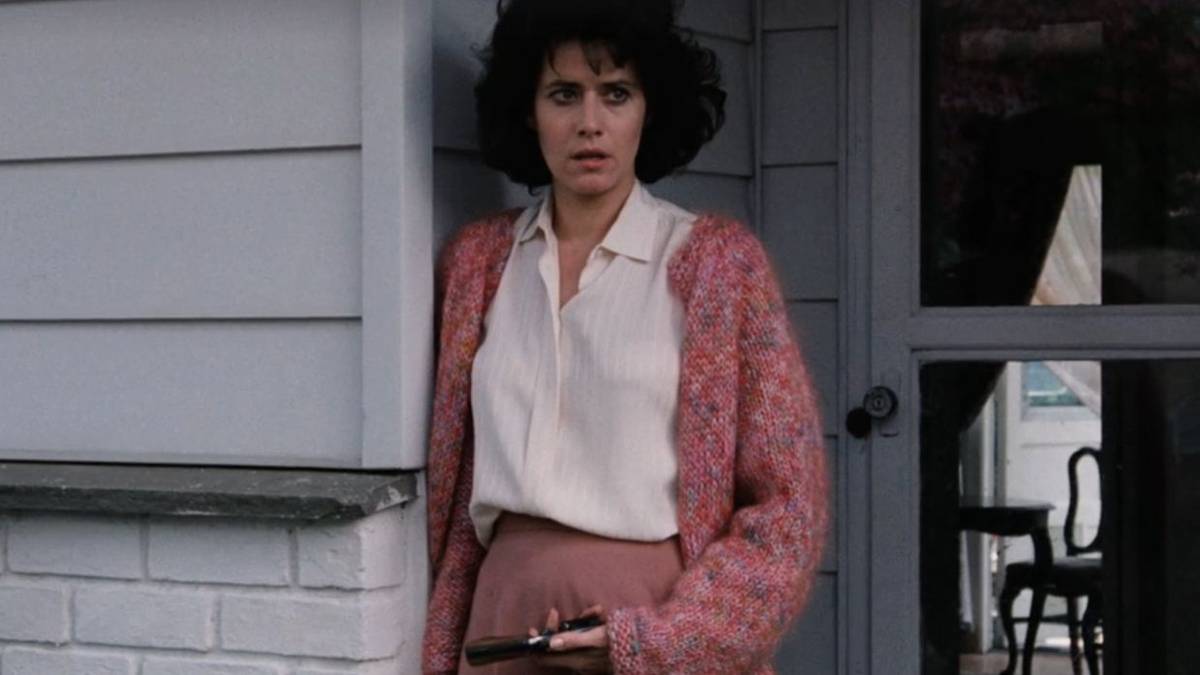
Fuller, who created the psychologically twisted Hannibal, isn't afraid to dive into heavy emotional territory. Dust Bunny uses its fantastical premise to explore childhood abandonment and the cycle of hurt. Aurora's monster was born from her own pain—her birth parents were unkind, and the dust bunny has since consumed every family she's had. This connects to the Intriguing Neighbor's toxic relationship with his mother, Laverne, played with eerie menace by Sigourney Weaver.
The film ultimately becomes a story about healing, wrapped in a whimsical world of bright colors and magical realism. Fuller's signature aesthetic—think Pushing Daisies meets a darker fairy tale—transforms an alternate New York City into a playground of wonder and danger. It's almost a shame that so much time is spent in Aurora's apartment, because the nighttime sequences are pure visual poetry.
Mads Mikkelsen Shines in a Lone Wolf and Cub Dynamic
Mikkelsen, no stranger to Fuller's unique tone after his iconic turn as Hannibal Lecter, effortlessly balances charm and menace. The heart of Dust Bunny lies in the classic Lone Wolf and Cub dynamic between him and Aurora. He initially doubts that a monster under a bed could be real, but he feels protective of the girl. She represents the childhood he never had, and together they confront the idea that hurt people hurt people.
The neighbor deduces that the monster only devours those who have harmed Aurora. She created it, so she has the power to control it—a perfect metaphor for trauma. Just like real trauma, the monster can't be killed, only managed. This lesson resonates deeply, making Dust Bunny more than just a monster movie; it's a poignant exploration of resilience.
For fans of Fuller's work, this is a must-watch. And if you're looking for other unique late-night viewing, check out Why Oliver Stone's 'Savages' Is the Ultimate One-Night Binge Watch or dive into The 15 Scariest Video Games of All Time. Dust Bunny is the dark horse of 2025, and it's worth every second of your time.