When Star Trek: The Original Series first aired in 1966, it barely survived cancellation thanks to a passionate fan letter-writing campaign. That grassroots energy eventually led to conventions, merchandise, and the promise of a new series—Star Trek: Phase II—in 1977. But when that show never materialized, Paramount pivoted to Star Trek: The Motion Picture, a film that was a modest hit but criticized for its slow pace and lack of action.
Enter Star Trek II: The Wrath of Khan, widely hailed as the best original-cast film. It delivered thrilling battles, a memorable villain in Khan (Ricardo Montalban), and the heartbreaking death of Spock. But while it saved the franchise commercially, it also broke something fundamental: Gene Roddenberry's vision of a peaceful, exploratory Starfleet. The creator himself tried to sabotage the film, feeling it militarized the fleet with excessive violence, trading philosophy for frontier justice.

Then came Star Trek III: The Search for Spock, which doubled down on the militaristic tone and even destroyed the USS Enterprise—a decision Roddenberry saw as sacrilege. The franchise was at a crossroads: continue down the action-heavy path or return to its optimistic roots.
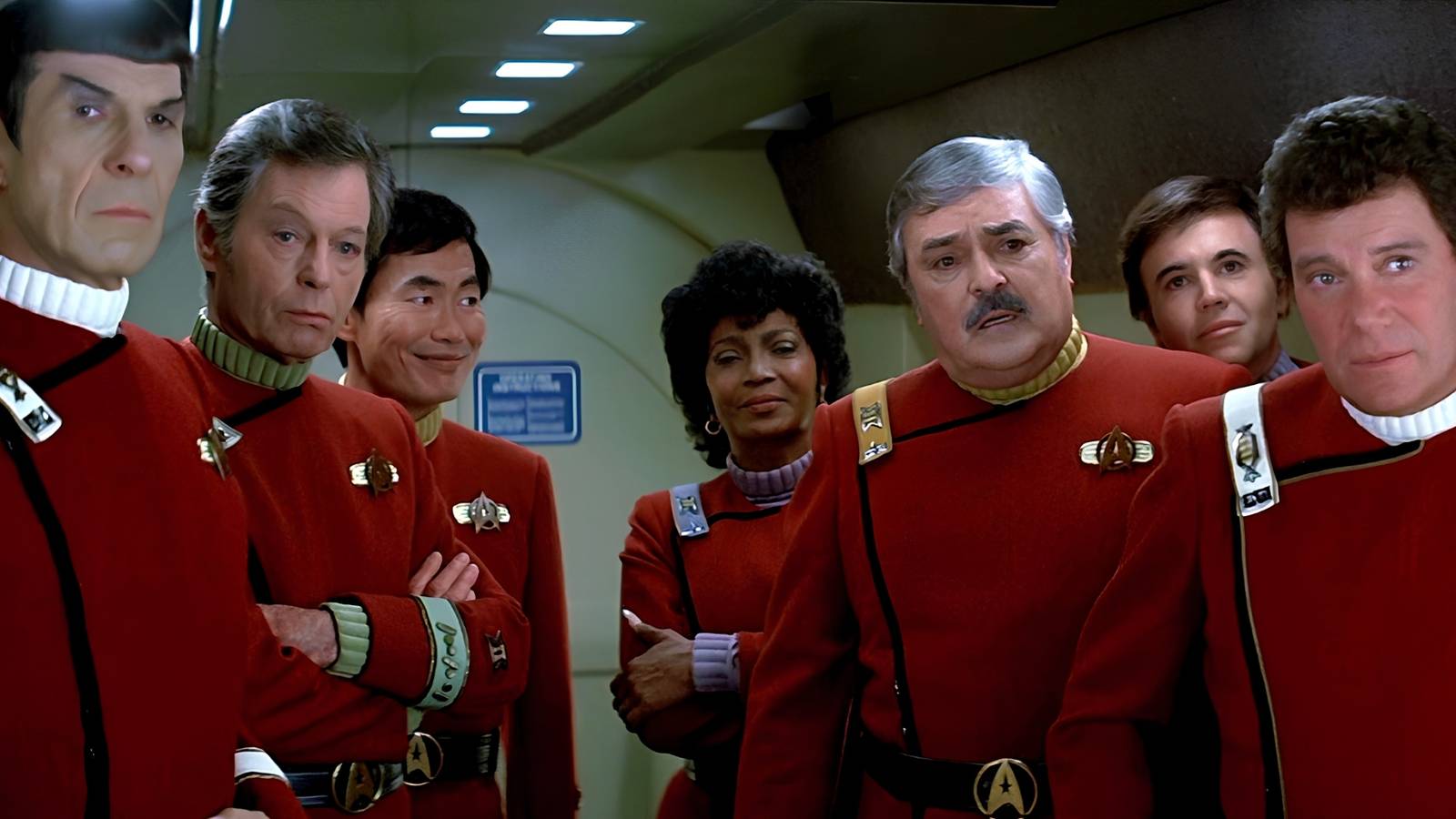
The answer arrived with Star Trek IV: The Voyage Home, celebrating its 40th anniversary this year. Known affectionately as “the one with the whales,” the film follows the exiled crew as they return to Earth to face justice, only to encounter a mysterious probe that renders all technology powerless. Its signal is aimed at the oceans—specifically, at extinct humpback whales.
Where other sci-fi films would have blown up the probe, The Voyage Home takes a smarter, more peaceful route. The crew travels back in time to 1986 San Francisco to retrieve a pair of whales, solving the crisis through intelligence and humor rather than violence. Each character gets a moment to shine, and the film restores the warmth and optimism missing from the previous two installments.
Roddenberry loved it. According to David Alexander's biography, the creator praised the film's anti-war, pro-environment messaging and its resolution through wit rather than weapons. The film became the highest-grossing Star Trek movie until the 2009 reboot, proving that staying true to the franchise's ideals could also be a box-office success.
The film ends with the crew receiving a new USS Enterprise, NCC-1701-A—a symbolic restoration of the franchise's heart. It was a return to form that even Star Trek V: The Final Frontier couldn't completely undo. For fans who felt the series had lost its way, The Voyage Home was the course correction that brought Star Trek back home.
For more on how franchises evolve, check out our analysis of how House of the Dragon reinvents the Game of Thrones franchise and why the Evil Dead franchise remains horror's most consistent winner.