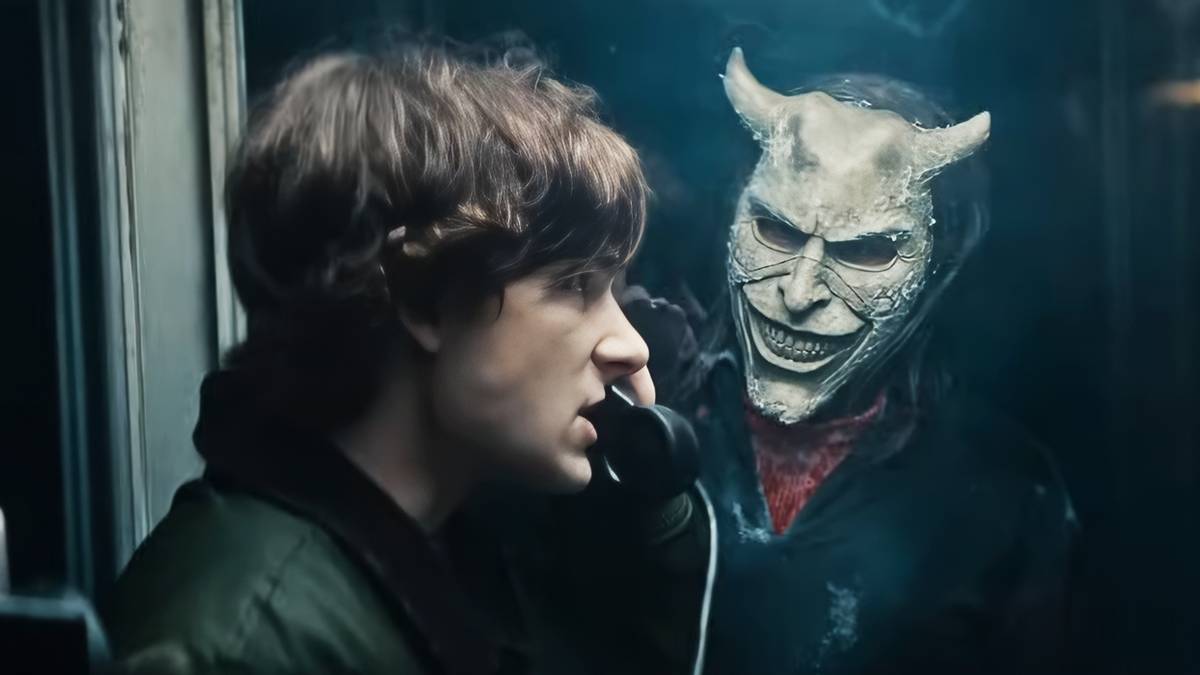
When you first watch The Black Phone, it feels like a tight, self-contained horror story set in a quiet Denver neighborhood in 1978. A masked kidnapper, a terrified boy locked in a basement, and a phone that rings with ghostly advice—it's all neatly wrapped up by the credits. But director Scott Derrickson had bigger plans. He quietly expanded that world not with a sequel or a post-credits scene, but through a segment in the horror anthology V/H/S/85 called "Dreamkill." Once you spot the connection, the universe around The Black Phone suddenly feels much larger.
Gwen's Dreams Were Always a Clue
One of the most haunting elements of The Black Phone is Gwen's psychic ability. She dreams of things she shouldn't know—houses she's never seen, balloons drifting through empty streets, and a patch of dirt that feels wrong. These visions guide the police to the graves of The Grabber's victims and help Gwen find her brother, Finney. Her father, Terence, reacts with fear and anger because he saw the same gift destroy his late wife. Every time Gwen talks about a dream, it's a reminder of the trauma that tore their family apart.
"Dreamkill" Brings the Same Power Back
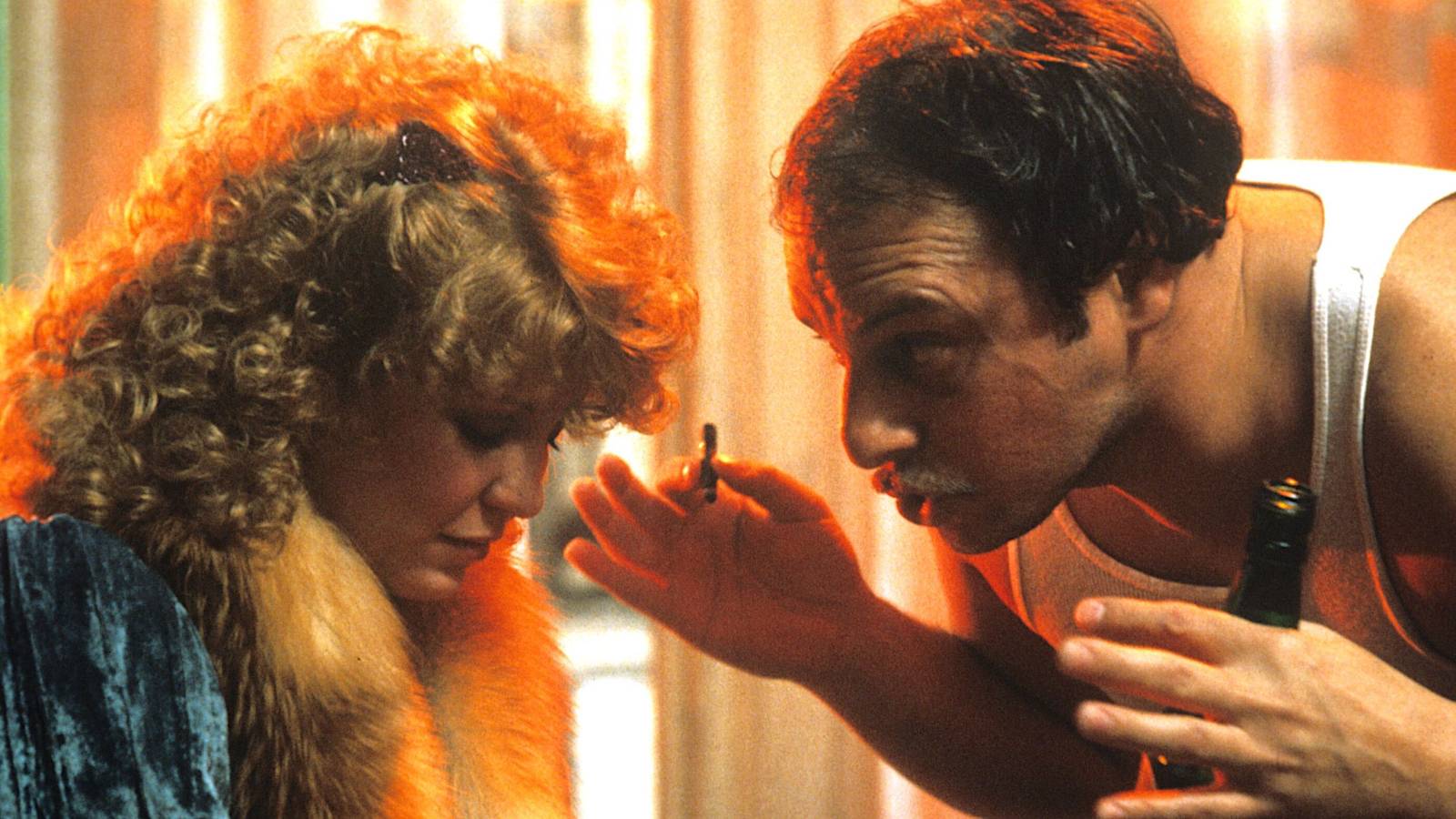
In V/H/S/85, Derrickson's segment "Dreamkill" follows Detective Wayne Johnson, who receives mysterious VHS tapes showing brutal murders before they happen. The tapes trace back to a troubled teen named Gunther, who dreams of the killings and somehow transfers them to tape. Gunther's father, Bobby, explains that psychic powers run in the family, mentioning a cousin who once dreamed about her kidnapped brother. That cousin is Gwen, and the kidnapped brother is Finney. Suddenly, the strange dreams that saved Finney are part of a much larger family curse.
A Family Connection Hiding in Plain Sight
Bobby casually describes a pattern of psychic visions that have plagued his family for generations. Some members learn to live with the dreams; others are overwhelmed by them. One woman lost her life to the visions. Then he mentions the niece and nephew who used their dreams to rescue a kidnapping victim. For anyone who remembers The Black Phone, the meaning is clear: Gwen and Finney are Gunther's cousins. The ability that helped Gwen find her brother isn't a random plot device—it's a hereditary gift that connects them to a broader, darker family history.
The V/H/S Universe Makes the Crossover Feel Natural
The V/H/S franchise is built on chaotic, supernatural storytelling. Each film collects strange recordings, from cults and demons to aliens and monsters. It's a horror sandbox where almost any nightmare can appear. That loose framework gives Derrickson the perfect space to expand the mythology of The Black Phone. The psychic dreams that once guided Gwen now exist in a world already filled with supernatural chaos. Finney's escape still matters, and The Grabber remains terrifying, but the strange ability that saved him now connects to a much broader and darker family history. Somewhere out there, another kid is already dreaming up the next nightmare before it even happens.
For more on the scariest horror movies since 2000, check out our list of Terrifying Cinema: The Scariest Horror Movies Since 2000, Ranked. And if you're a fan of anthology horror, don't miss our take on Why John Carpenter's The Thing Still Has Horror's Best Ending.