The idea of a single "Great American Novel" is almost mythical—a holy grail that critics debate and a few ambitious (or maybe delusional) writers still chase. But there are consensus picks, books that capture essential truths about the American experience and have shaped the country's literary landscape. Ranking them is a daunting task, but here we are. These titles span styles and settings, from the Mississippi River to the Dust Bowl, Jazz Age mansions to the violence of the Old West. Each is a titan in its own right.
10. 'Beloved' (1987)
"Freeing yourself was one thing; claiming ownership of that freed self was another." Toni Morrison's Pulitzer Prize-winning novel confronts one of America's darkest chapters. Set after the Civil War, it follows Sethe, a formerly enslaved woman whose home is haunted by the ghost of the daughter she killed rather than see her returned to slavery. When a mysterious young woman named Beloved appears, buried trauma resurfaces in devastating ways. Morrison fuses historical realism with supernatural elements, using ghosts to represent memories too painful to suppress. The book remains deeply relevant and is still challenged in many school districts.

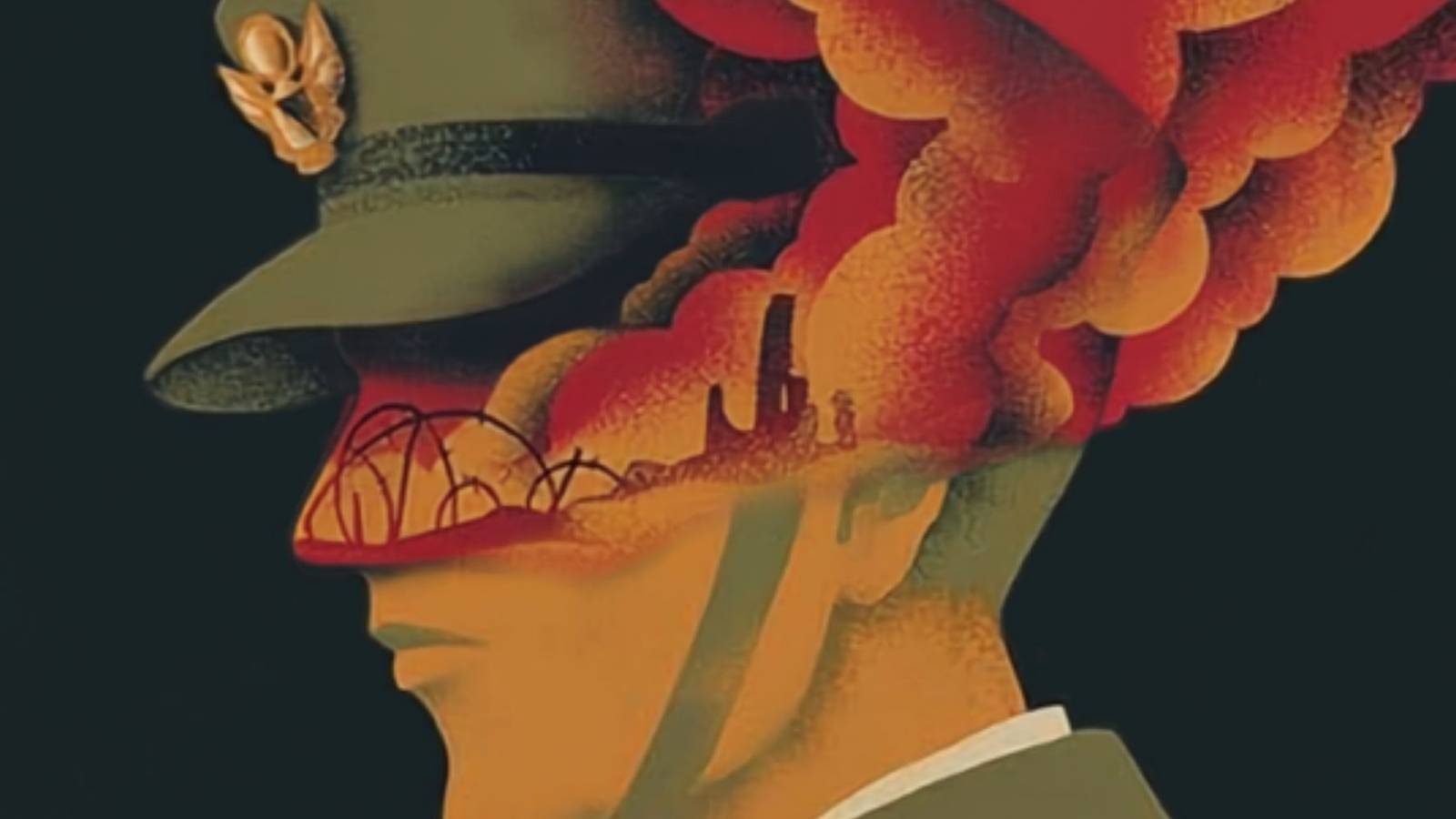
9. 'A Farewell to Arms' (1929)
"The world breaks everyone." Ernest Hemingway's semi-autobiographical novel is one of the greatest anti-war stories ever written. Set during World War I, it follows American ambulance driver Frederic Henry and his romance with British nurse Catherine Barkley. The war is chaotic and indifferent, stripping away romantic notions of heroism. Their love offers a fragile refuge, but it can't escape the surrounding devastation. Hemingway's minimalist, stark prose—built from short, unadorned sentences—makes every moment hit harder.
8. 'The Corrections' (2001)
Jonathan Franzen's vivid portrait of the Lambert family caused a sensation on release. Aging parents Alfred and Enid try to reunite their three adult children for one final Christmas, but decades of resentment and unresolved conflict surface. Franzen combines razor-sharp social observation with deep psychological insight. Each family member is three-dimensional, with layered backstories and competing motivations. Frequently funny but never flippant, the novel delves into ambitions, failures, romantic disappointments, and lingering childhood wounds.
7. 'Invisible Man' (1952)
"I am invisible, simply because people refuse to see me." Ralph Ellison's novel—not to be confused with the H.G. Wells sci-fi story—explores race and individuality. Its unnamed narrator journeys from the segregated South to Harlem, discovering that people refuse to see him as a complete human being. Instead, they impose their expectations and prejudices. The story oscillates between realism, surrealism, and satire, commenting on Marxism, Black nationalism, and Booker T. Washington's ideas. It won the National Book Award and inspired Barack Obama's memoir structure.
6. 'The Sound and the Fury' (1929)
"Caddy smelled like trees." William Faulkner's magnum opus chronicles the decline of the Compson family in Mississippi through four radically different perspectives. Its use of stream of consciousness, shifting chronology, and fragmented points of view was groundbreaking. The famously difficult opening section, narrated by intellectually disabled Benjy Compson, is one of literature's boldest achievements. It's a dark Southern Gothic with a lot to say about modernity, tradition, nihilism, and religion—several scenes mirror or subvert Jesus stories. It slowly matured into a classic.
5. 'The Catcher in the Rye' (1951)
J.D. Salinger's novel about teenage alienation has influenced countless readers and writers. Narrator Holden Caulfield rails against the "phoniness" of the adult world while grappling with grief and identity. The book's raw, colloquial voice was revolutionary for its time. It remains a staple of high school reading lists and a touchstone for anyone who's ever felt like an outsider.
4. 'The Grapes of Wrath' (1939)
John Steinbeck's Dust Bowl epic follows the Joad family as they flee Oklahoma for California during the Great Depression. It's a searing indictment of economic injustice and a testament to human resilience. The novel's intercalary chapters—short, poetic interludes that broaden the scope—were innovative. It won the Pulitzer and remains a powerful call for empathy and social change.
3. 'Moby-Dick' (1851)
Herman Melville's whale of a tale is part adventure, part philosophical meditation. Captain Ahab's obsessive hunt for the white whale becomes a metaphor for humanity's struggle against fate and nature. The novel's encyclopedic digressions on whaling and its shifting narrative styles were ahead of their time. Initially a commercial failure, it's now considered one of the greatest novels ever written.
2. 'The Great Gatsby' (1925)
F. Scott Fitzgerald's Jazz Age masterpiece captures the glittering surface and moral decay of the American Dream. Narrator Nick Carraway observes neighbor Jay Gatsby's obsessive pursuit of Daisy Buchanan, a love that's as much about class and status as romance. The novel's lyrical prose and tragic ending have made it a perennial favorite. It's a short, perfect novel about longing and loss.
1. 'To Kill a Mockingbird' (1960)
Harper Lee's Pulitzer Prize-winning novel is a cornerstone of American literature. Through the eyes of young Scout Finch, it explores racial injustice in the Depression-era South. Her father, Atticus Finch, defends a Black man falsely accused of rape, becoming a moral compass for generations. The novel's warmth, humor, and humanity make it both a gripping story and a profound meditation on empathy and courage. It remains as relevant today as when it was first published.