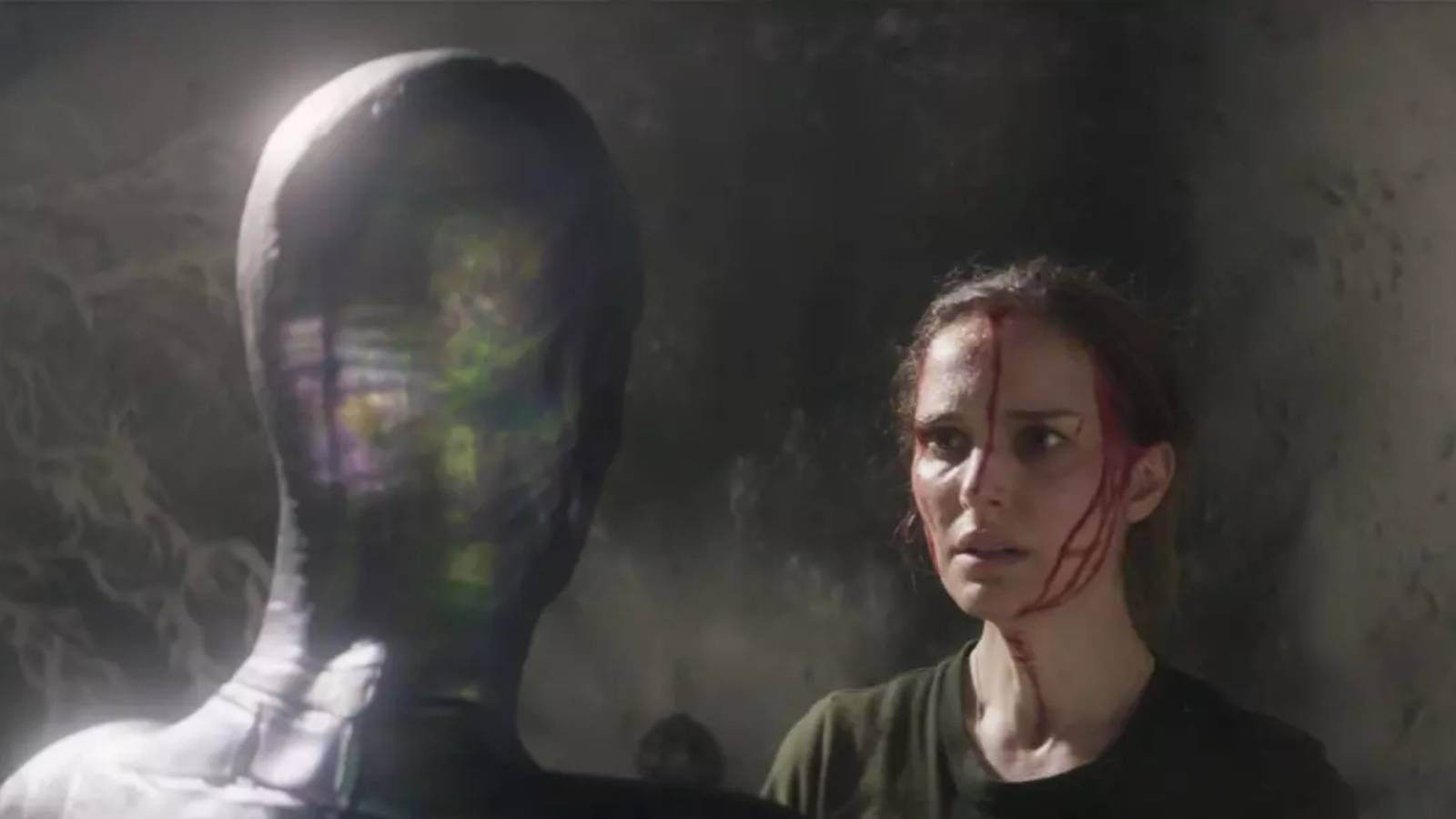
The 2010s weren't just a good decade for science fiction—they were a revolutionary one. As technology accelerated in real life, filmmakers used the genre to explore our deepest hopes, fears, and ethical dilemmas, delivering at least one towering achievement annually. This era moved beyond simple space operas to tackle complex themes of consciousness, identity, and humanity's place in the universe.
2010: Dream Thieves and Reality Benders
Christopher Nolan cemented his status as a blockbuster auteur with Inception. Leonardo DiCaprio leads a stellar ensemble as Dom Cobb, a specialist who infiltrates dreams to steal secrets. The film's genius lies in its multi-layered heist structure, set within a breathtaking, physics-defying dreamscape. It’s a high-concept action thriller that demands your attention and rewards it with stunning visuals and emotional depth, proving smart sci-fi could dominate the box office.
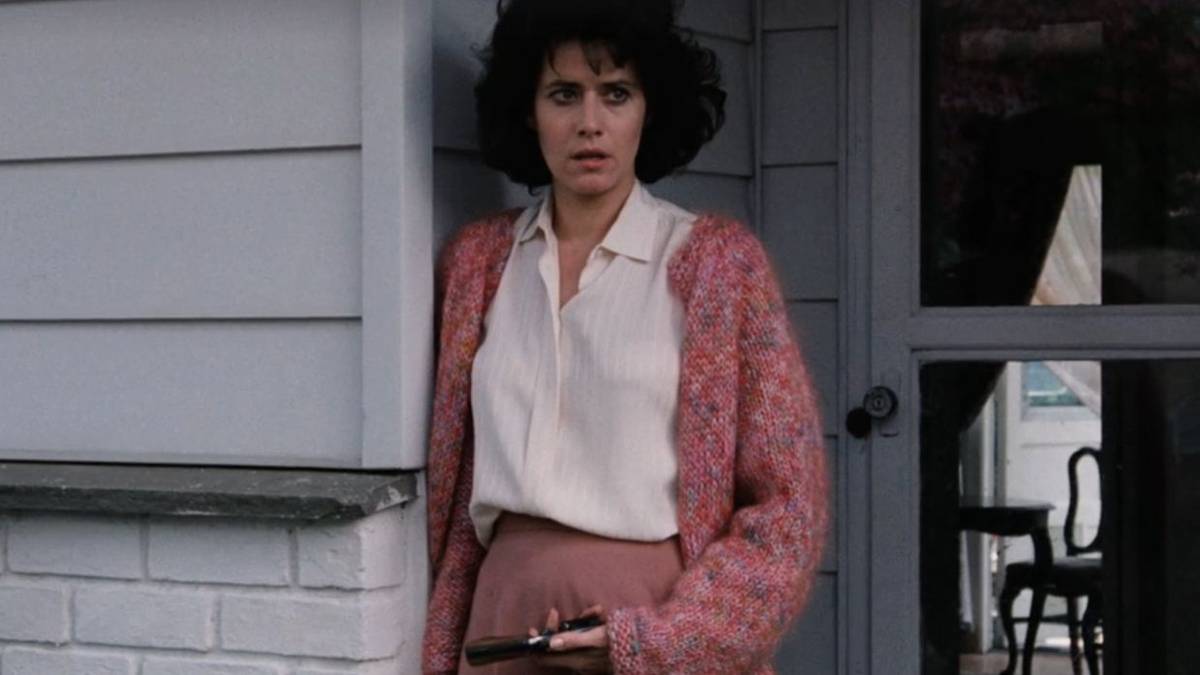
2011: A Primate Revolution Begins
The Planet of the Apes franchise received a stunning, emotional reboot with Rise of the Planet of the Apes. Far more than a simple creature feature, it’s the origin story of Caesar (a motion-capture triumph by Andy Serkis), a chimpanzee whose intelligence blooms due to a scientific experiment. The film masterfully blends cutting-edge visual effects with a poignant narrative about family, oppression, and rebellion, setting a new bar for how CGI can serve story and character.
2012: A Time-Travel Thriller with a Heart
Rian Johnson’s Looper reinvigorated the time-travel subgenre with grit and smarts. Joseph Gordon-Levitt plays a assassin who eliminates targets sent from the future, a clean system shattered when his next mark is his older self (Bruce Willis). The film uses its sci-fi premise not for cheap tricks but to explore fate, sacrifice, and the cycles of violence, all wrapped in a taut, neo-noir package. It’s the kind of inventive, character-driven story that makes you wish for more genre hybrids.
2013: Love in the Digital Age
Spike Jonze’s Her offered a quiet, profound counterpoint to the decade’s bombast. Joaquin Phoenix plays Theodore, a lonely man who develops a deep relationship with Samantha, an intuitive AI operating system (voiced by Scarlett Johansson). Set in a warmly rendered near-future, the film is less about technology and more about the universal human needs for connection and understanding. It’s a beautifully sad, perfectly observed meditation on how we love.
The second half of the decade continued this streak of excellence, pushing boundaries in every direction. Films like Arrival (2016) used alien contact to explore language and time in poetic ways, while Mad Max: Fury Road (2015) redefined post-apocalyptic action as a breathless, wordless ballet of chaos. Each year brought a distinct vision, from the cosmic horror of Annihilation (2018) to the alt-history drama of The Martian (2015).
What made the 2010s so special was the diversity of its sci-fi. It wasn't confined to one style. You could get the intimate character study of Ex Machina (2014) or the sprawling, interstellar adventure of Interstellar (2014). This willingness to experiment ensured there was a perfect film for every kind of viewer, whether they craved brainy puzzles or heart-pounding spectacle.
Looking for more perfectly crafted genre journeys? The meticulous tension in 'Manhunt' or the twisted suburban secrets in 'Imperfect Women' prove that thrilling, high-concept storytelling isn't limited to the past—or to outer space.
Ultimately, this decade proved science fiction was the ideal lens to examine our rapidly changing present. These films asked the big questions: What makes us human? How do we live with the technology we create? What is our destiny? By giving us one unforgettable masterpiece each year, the 2010s didn't just entertain us; they made us look at our world, and ourselves, in an entirely new light.