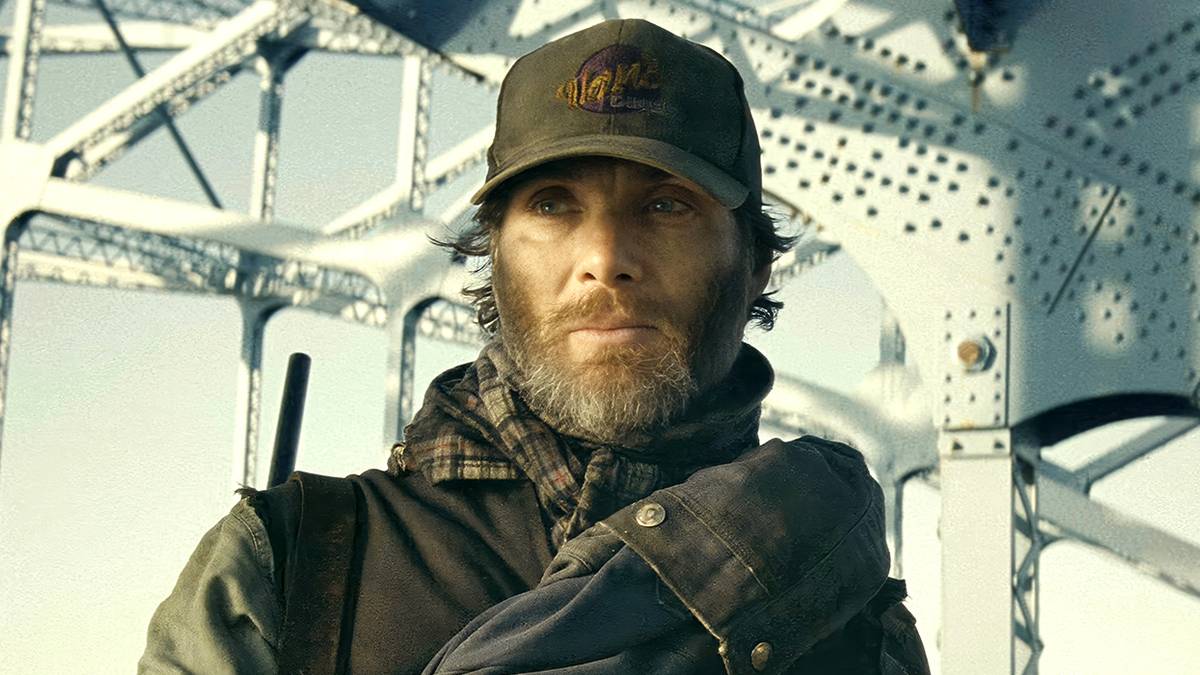
The 2020s have been a golden era for cinema, with a diverse array of films that are already being hailed as modern classics. From the psychological Western The Power of the Dog to the historical epic Oppenheimer and the audacious horror The Substance, this decade has pushed boundaries and defied expectations. With such a wealth of quality films, it's no surprise that the performances within them have been equally extraordinary.
In fact, the 2020s have produced a collection of acting turns that will be studied and admired for generations. Some years were easy to call, while others were fiercely competitive. Here, we celebrate the single greatest performance of each year from 2020 through 2025, acknowledging the incredible talent that has graced our screens.
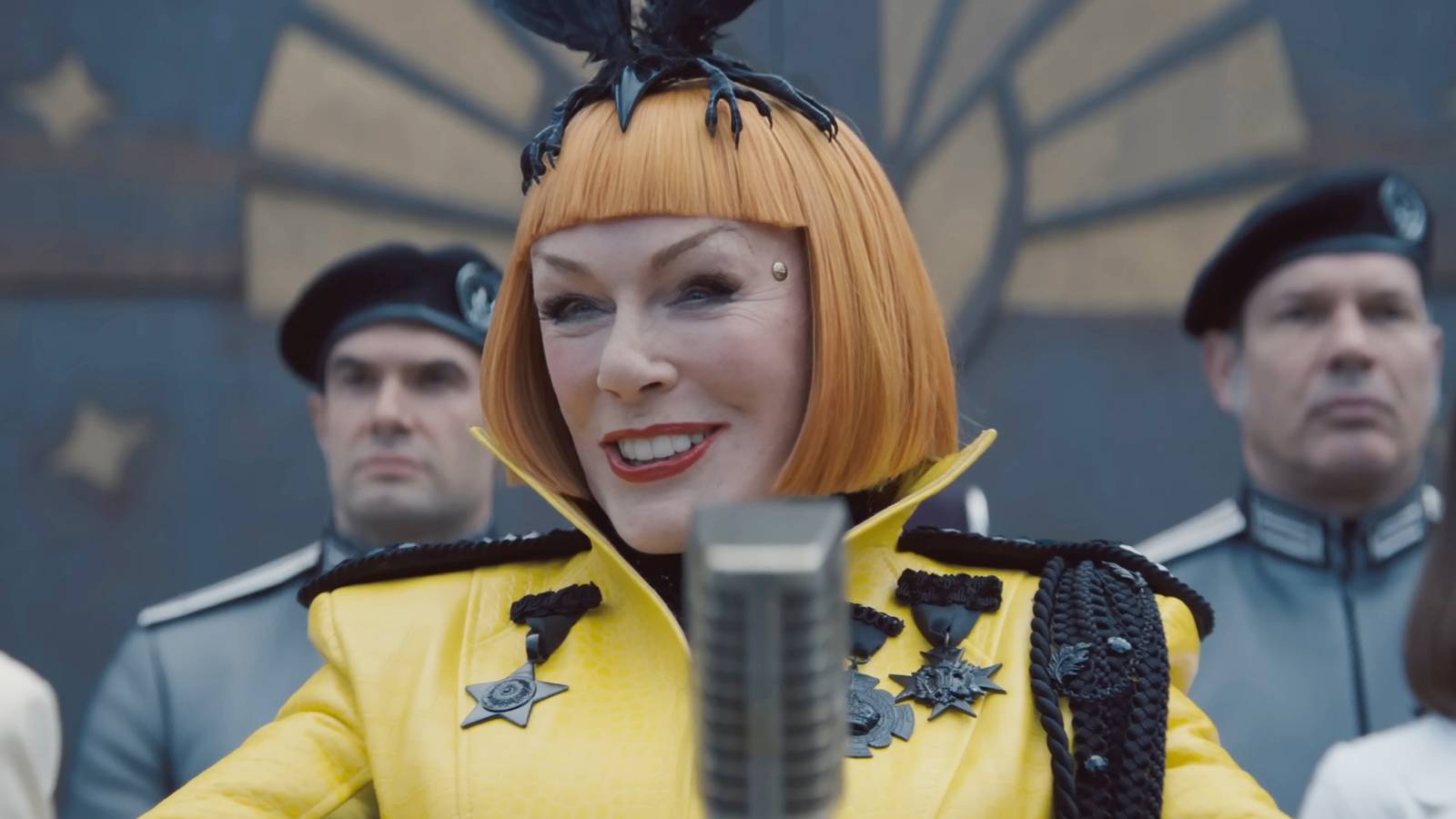
2020: Anthony Hopkins in The Father
Sir Anthony Hopkins has been a titan of acting for over six decades, delivering iconic roles in films like The Silence of the Lambs and The Remains of the Day. Yet, at 83, he delivered what many consider his finest work in Florian Zeller's devastating drama, The Father.
Hopkins portrays Anthony, a man grappling with dementia as his world becomes increasingly fragmented. He masterfully captures the confusion, anger, and heartbreaking vulnerability of a man losing his grip on reality. The film's climax, where Anthony regresses to a childlike state, is a gut-wrenching moment that resonates deeply. While Chadwick Boseman's powerful turn in Ma Rainey's Black Bottom was a close second, Hopkins's performance is a masterclass in emotional precision.
2021: Hidetoshi Nishijima in Drive My Car
2021 was a peculiar year for film, still reeling from the pandemic's impact. Amidst the chaos, Drive My Car emerged as a critical darling, earning a Best Picture nomination—a first for a Japanese film. Yet, its lead actor, Hidetoshi Nishijima, was inexplicably overlooked by the Academy.
Nishijima plays Yūsuke Kafuku, a theater director mourning his wife's death while staging a multilingual production of Uncle Vanya. His performance is largely internal, conveyed through expressive eyes and subtle gestures. He embodies the quiet struggle of a man trying to simply exist, carrying the weight of grief and duty with a haunting stillness. Renate Reinsve's breakout in The Worst Person in the World was a worthy runner-up, but Nishijima's work is a profound meditation on loss.
2022: Danielle Deadwyler in Till
2022 was a banner year for acting, with Cate Blanchett, Tang Wei, and Colin Farrell all delivering career-best work. Yet, Danielle Deadwyler's portrayal of Mamie Till in Till stands above them all. The film tells the true story of a mother's quest for justice after her son Emmett's brutal lynching.
Deadwyler is a force of nature, channeling a mother's grief into a steely resolve that is both heartbreaking and inspiring. Her performance is a delicate balance of raw emotion and quiet determination, making her Oscar snub one of the most egregious in recent memory. It's a performance that demands to be seen and remembered.
2023: Emma Stone in Poor Things
Emma Stone had already proven her mettle with an Oscar win, but her role as Bella Baxter in Yorgos Lanthimos's Poor Things was a revelation. The film reimagines the Frankenstein story, following a woman resurrected with the brain of an infant who embarks on a journey of self-discovery.
Stone fully commits to the role, portraying Bella's evolution from childlike innocence to worldly sophistication with fearless abandon. Her performance is both hilarious and profound, a tour de force that earned her a second Academy Award. It's a role that could have been a caricature in lesser hands, but Stone makes it deeply human.
2024 and Beyond
While the decade is only halfway through, the performances we've seen so far have set an incredibly high bar. As we look ahead to the rest of the 2020s, one thing is certain: the actors of this era are not afraid to take risks, and we are all the richer for it. For more on the greatest performances of recent decades, check out our list of top movie performances since 2010 and the greatest since 1990.