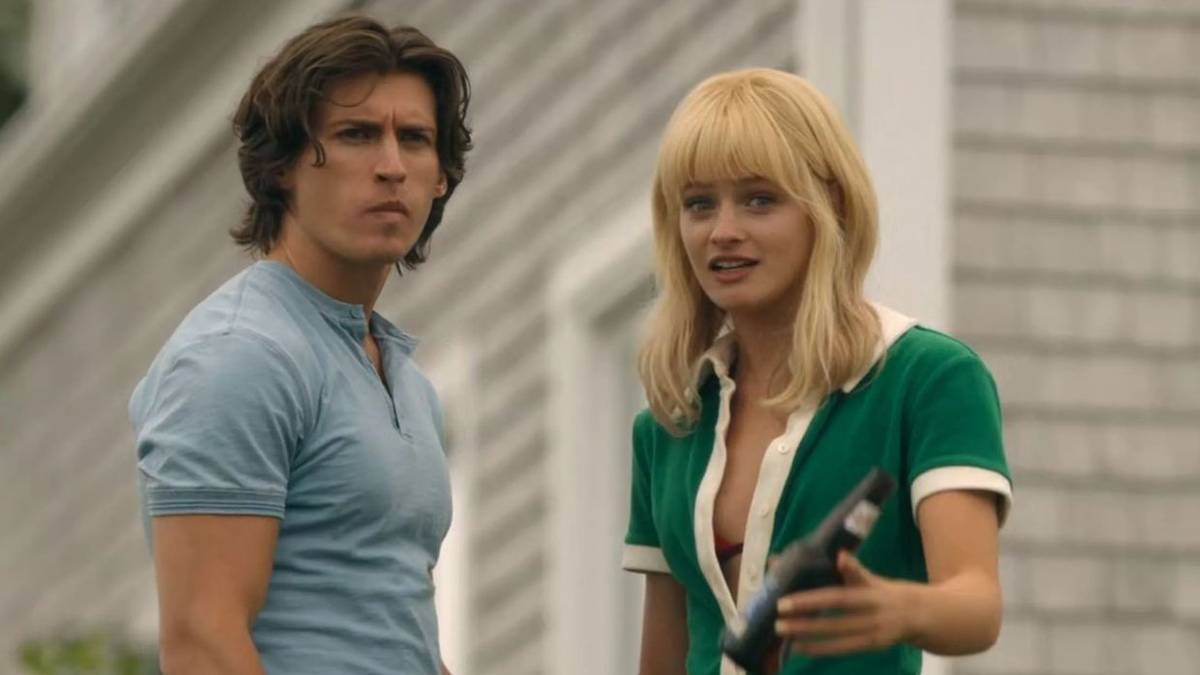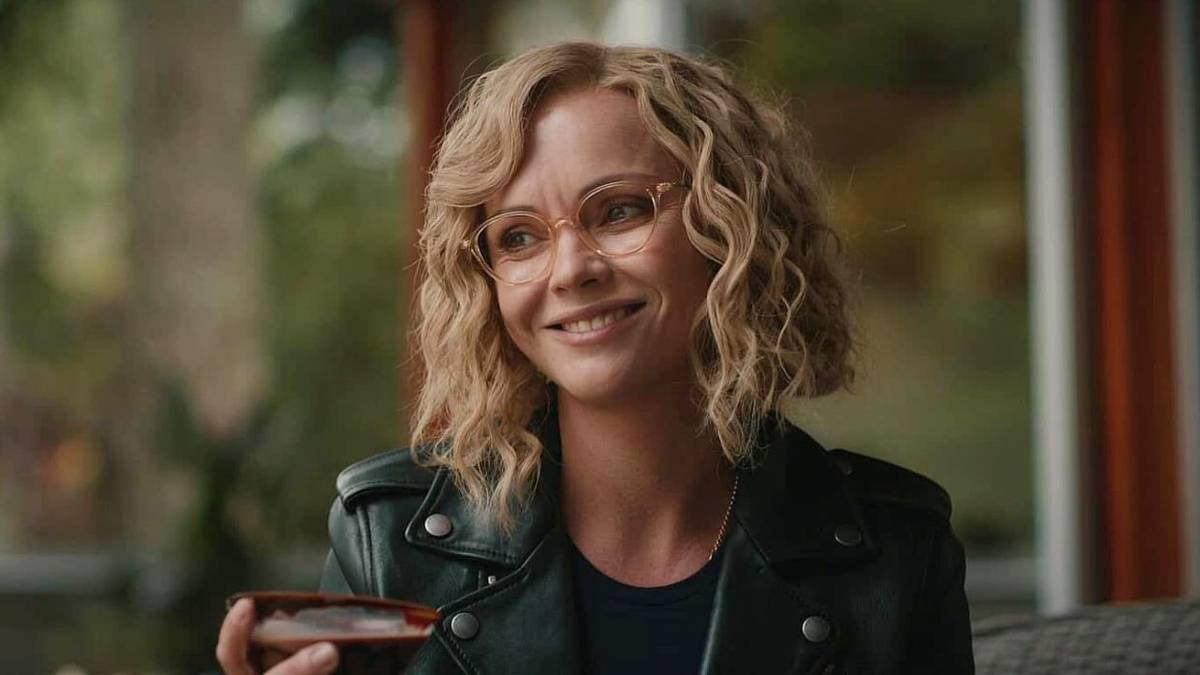
The Yellowjackets have spent decades burying their wilderness secrets, but silence alone couldn't solve one glaring problem: explaining what happened to their missing teammates. The Showtime drama has never shied away from the horrors its characters committed after their plane crashed in the Canadian wilderness—the cannibalism, the hunts, the brutal power struggles. But as the series approaches its fourth and final season, it's impossible to ignore how they got away with it.
When the remaining survivors return to civilization, their ordeal won't end with a rescue helicopter. Authorities will demand answers about the plane crash, the missing passengers, and the teammates who died in the woods. Their families will want answers too. The Yellowjackets might agree never to discuss what happened, but that doesn't explain how they accounted for it in the first place. Season 4, premiering November 20 on Paramount+, needs to finally show us how they pulled that off.
Season 4 Needs to Explain What Happened After the Rescue
For a show that has spent three seasons exploring the consequences of its characters' increasingly disturbing behavior, Yellowjackets has left a surprisingly large gap in its own history. We know the survivors eventually made it home and spent the following decades struggling with what happened in the wilderness; what we don't know is how they explained the deaths of their teammates to anyone who wasn't there.
The question grows more pressing with every hunt. In the Season 3 finale, Mari (Alexa Barajas) draws the Queen of Hearts and becomes the latest victim of the group's increasingly ritualized violence. Shauna Shipman (Sophie Nélisse) has cemented her position as the Antler Queen, and the survivors prepare to consume Mari's body. Meanwhile, Natalie Scatorccio (Sophie Thatcher) slips away with the repaired satellite phone and finally reaches someone outside the wilderness.
That call sets the Yellowjackets on a rescue path, but it also sets a deadline for their time in the woods. Once they're found, the survivors will have to account for the people who aren't coming home with them. Even if investigators accept that starvation and exposure contributed to the deaths, the group still has to explain the circumstances surrounding its missing teammates. Season 4 doesn't need to turn into a courtroom drama, but it does need to establish what the survivors told the authorities, and whether anyone ever questioned their version of events.
Misty Quigley's Biggest Secret Could Be a Clue to the Cover-Up
Misty Quigley (Samantha Hanratty) has already shown how far she'll go to keep the wilderness to herself. After the plane crash, she destroys the black box transponder, eliminating a potential way to locate the stranded team. Her decision is one of the show's earliest indications that the wilderness isn't the only thing keeping the Yellowjackets trapped. Some of them have reasons to stay there.
Natalie discovers Misty's secret in the Season 3 finale, but the revelation comes at a particularly complicated moment. Instead of exposing Misty to the group, Natalie works with her and Van Palmer (Liv Hewson) to repair a satellite phone. The decision suggests that getting everyone home has become more important than confronting what Misty did to keep them stranded.
The survivors have already shown that they're capable of making terrible decisions to protect themselves, and Misty's sabotage gives the group a secret that could have consequences well beyond the wilderness. Would the others expose her actions, or would they protect her to avoid scrutiny of their own? And if they agreed to keep Misty's sabotage quiet, what else might they have decided was better left unsaid?
The series doesn't prove the survivors intentionally cooperated to hide what happened after their rescue, and Season 4 doesn't need this storyline to work. Still, it is an intriguing option because it matters to the characters. A unified story about what happened would help them avoid annoying questions, even as they live with the truth forever.
Shauna's Final Confession Hints at a Much Darker Truth
The final episode of Season 3 gives us another reason to doubt the survivors' silence, and it may run deeper than a simple unwillingness to face their traumas. In the series' final scene, grown-up Shauna (Melanie Lynskey) once again writes journal entries about her time in the woods, where she doesn't call that period simply a horror story but admits she and her teammates also had some fun. She recalls both danger and excitement, saying she doesn't mind regaining that person.
That confession suggests that the survivors' silence isn't just about shame—it's about a complicated attachment to the person they became in the wilderness. If Shauna misses that version of herself, what does that mean for the cover-up? Maybe the real reason they've stayed quiet isn't to protect each other, but to protect the memory of what they did. As the rescue approaches, the Yellowjackets will have to decide how much of that truth they're willing to share—and what they'll do to keep the rest buried.
With the final season trailer teasing their return home, the pressure is on. The survivors may have survived the wilderness, but the hardest part might be surviving the questions that follow.