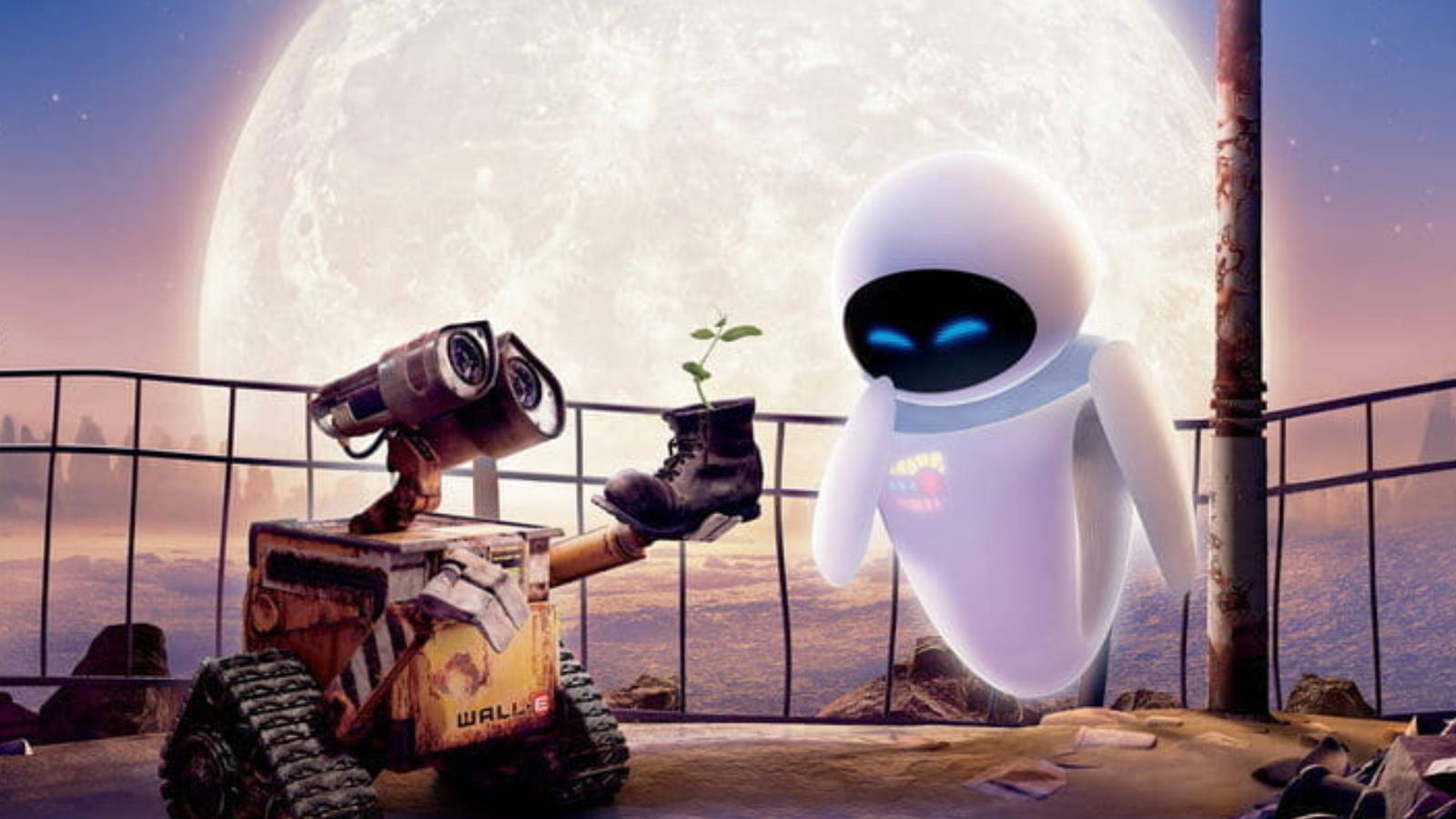
Science fiction has always been a playground for the imagination, but its true power lies in how it mirrors our own world through a speculative lens. Whether it's dystopian societies, interstellar journeys, or the ethics of artificial intelligence, the genre transforms the impossible into stories that feel deeply human. It's no wonder that some of the most iconic and thought-provoking films ever made fall under this umbrella.
From the silent era's Metropolis to the modern masterpiece Arrival, sci-fi has consistently pushed boundaries, blending spectacle with substance. The films below are a testament to that legacy—each one uses its futuristic premise to explore timeless questions about love, loss, identity, and hope. They remind us that the best sci-fi isn't about escaping reality; it's about understanding it better.

Close Encounters of the Third Kind (1977)
Steven Spielberg's Close Encounters of the Third Kind takes a different approach to alien contact. Instead of invasion and warfare, it offers a sense of wonder. Roy Neary (Richard Dreyfuss) is an ordinary man whose life is upended after a UFO sighting, leaving him obsessed with a vision he can't explain. Meanwhile, scientists uncover a pattern of events leading to a historic meeting.
The film's brilliance lies in its portrayal of the unknown as something awe-inspiring rather than terrifying. Spielberg uses light, sound, and visual effects to create a mystery that feels both grand and intimate. It's a reminder that sci-fi can evoke curiosity and hope, not just fear.
Children of Men (2006)
Alfonso Cuarón's Children of Men paints a bleak picture of 2027, where humanity faces extinction due to global infertility. Theo (Clive Owen) is a former activist who gets pulled into a mission to protect a pregnant refugee, offering a glimmer of hope in a collapsing world. The film's gritty realism and unflinching look at xenophobia and inequality make it uncomfortably relevant.
Yet, despite its dark tone, Children of Men is ultimately about resilience. It shows that even in the darkest times, humanity can come together. That blend of despair and hope is a hallmark of the genre, proving sci-fi can be both a warning and a source of inspiration.
The Martian (2015)
Ridley Scott's The Martian is a love letter to science itself. Stranded on Mars, astronaut Mark Watney (Matt Damon) uses his botany and engineering skills to survive, turning problem-solving into a thrilling narrative. The film celebrates human ingenuity and collaboration, showing how science can be a collective effort that transcends borders.
Watney's resourcefulness—from growing potatoes in Martian soil to rigging a communication system—makes science feel exciting and accessible. It's a refreshing take on the genre, where the hero's greatest weapon is his intellect.
Ex Machina (2014)
Alex Garland's directorial debut Ex Machina dives into the ethics of artificial intelligence. Programmer Caleb (Domhnall Gleeson) is invited to evaluate Ava (Alicia Vikander), a humanoid AI created by the reclusive CEO Nathan (Oscar Isaac). What follows is a tense, mind-bending examination of consciousness and power.
As AI becomes more integrated into our lives, Ex Machina feels increasingly prophetic. Its confined setting and psychological intensity make it a standout, proving that sci-fi doesn't need massive scale to be impactful. It's a smart, unpredictable thriller that questions the very nature of humanity.
Eternal Sunshine of the Spotless Mind (2004)
At its heart, Eternal Sunshine of the Spotless Mind is a romance, but its sci-fi premise elevates it. When Joel (Jim Carrey) discovers his ex-girlfriend Clementine (Kate Winslet) has erased their memories, he undergoes the same procedure—only to realize he wants to keep them. Michel Gondry's imaginative direction turns Joel's mind into a surreal, shifting landscape.
The film uses the concept of memory erasure to explore heartbreak and the value of painful experiences. It's a poignant reminder that our scars shape who we are. By blending sci-fi with raw emotion, it shows the genre's versatility.
These films, along with others like Metropolis and Arrival, demonstrate why sci-fi remains the most exciting genre in cinema. It tackles topical issues while daring to dream big. For more cinematic explorations, check out our list of universally adored 21st-century films or dive into modern thrillers that redefine their genre. And if you're a fan of genre-bending storytelling, don't miss our take on fantasy films that shaped their genre.
Sci-fi isn't just about the future—it's about the present, reflected through a prism of possibility. These ten movies prove that the genre can be both entertaining and profound, making it the undisputed king of cinema.