Fantasy has always been one of cinema's most magical genres, transporting viewers to worlds of wonder, danger, and imagination. From the silent era's trick photography to today's CGI-laden epics, fantasy films have consistently pushed the boundaries of what's possible on screen. But a select few have done more than just entertain—they've fundamentally changed the genre, influencing countless filmmakers and leaving an indelible mark on popular culture.
These are the movies that didn't just tell great stories; they redefined the rules of fantasy filmmaking. Whether through groundbreaking visual effects, unforgettable characters, or narrative innovations, each of these films has earned its place in the pantheon of fantasy greatness. Here are the eight most influential fantasy movies of all time, ranked.
8. Pirates of the Caribbean: The Curse of the Black Pearl (2003)
Disney took a gamble adapting its theme park ride into a film, but the result was a swashbuckling sensation that revived a dormant genre. Directed by Gore Verbinski, The Curse of the Black Pearl introduced audiences to the irreverent Captain Jack Sparrow, played with scene-stealing flair by Johnny Depp. The film follows blacksmith Will Turner (Orlando Bloom) and the headstrong Elizabeth Swann (Keira Knightley) as they team up with Sparrow to rescue Elizabeth from cursed pirates led by the treacherous Captain Barbossa (Geoffrey Rush).
What made this film so influential was its seamless blend of dark fantasy, historical adventure, and irreverent humor. It proved that pirate movies could be both commercially viable and critically acclaimed, spawning a franchise that grossed billions. Depp's portrayal of Sparrow became a cultural touchstone, influencing everything from Halloween costumes to pop culture references. The film's success also paved the way for other theme park adaptations, though none have matched its magic.
7. The Chronicles of Narnia: The Lion, the Witch and the Wardrobe (2005)
Andrew Adamson's adaptation of C.S. Lewis's beloved novel brought the magical land of Narnia to life for a new generation. The story follows the Pevensie siblings—Peter, Susan, Edmund, and Lucy—as they stumble through a wardrobe into a world trapped in eternal winter by the evil White Witch. With the help of the noble lion Aslan, they must fight to free Narnia and fulfill an ancient prophecy.
The film was a massive box office hit, becoming one of the highest-grossing fantasy films of the 2000s. Its blend of practical effects and early digital wizardry set a new standard for family fantasy epics. More importantly, it captured the heart of Lewis's Christian allegory while appealing to secular audiences, a delicate balance that few adaptations achieve. The film's success spawned two sequels and cemented Narnia as a cornerstone of modern fantasy cinema.
6. How to Train Your Dragon (2010)
DreamWorks Animation reached its creative zenith with this heartfelt tale of a young Viking who defies tradition to befriend a dragon. Directed by Chris Sanders and Dean DeBlois, How to Train Your Dragon follows Hiccup (voiced by Jay Baruchel), a scrawny teen who'd rather invent than fight. When he captures a Night Fury dragon he names Toothless, he discovers that dragons aren't the mindless beasts his village fears.
The film broke new ground in both animation and storytelling. Its dragon designs were inspired by real animal behaviors, and the flight sequences were so immersive that they made audiences feel like they were soaring. But the true innovation was its emotional depth—the bond between Hiccup and Toothless resonated with viewers of all ages, proving that animated fantasy could be as moving as any live-action drama. The film spawned two sequels and a franchise that continues to inspire animators.
5. The Princess Bride (1987)
Rob Reiner's adaptation of William Goldman's novel is a postmodern fairy tale that has become one of the most beloved films of all time. The story frames itself as a grandfather reading a book to his sick grandson, and within that frame, we get the swashbuckling romance of Westley (Cary Elwes) and Buttercup (Robin Wright). Westley must rescue his true love from the clutches of Prince Humperdinck, with help from a giant, a swordsman, and a miracle worker.
The Princess Bride is a genre-bending masterpiece that mixes romance, adventure, comedy, and drama in perfect measure. Its quotable dialogue—"Inconceivable!" "As you wish"—has become part of the cultural lexicon. The film's self-aware humor and willingness to subvert fairy tale tropes made it a cult favorite that only grew in stature over time. It's a film that proves fantasy can be both intelligent and heartwarming, and it remains a touchstone for filmmakers who want to blend genres.
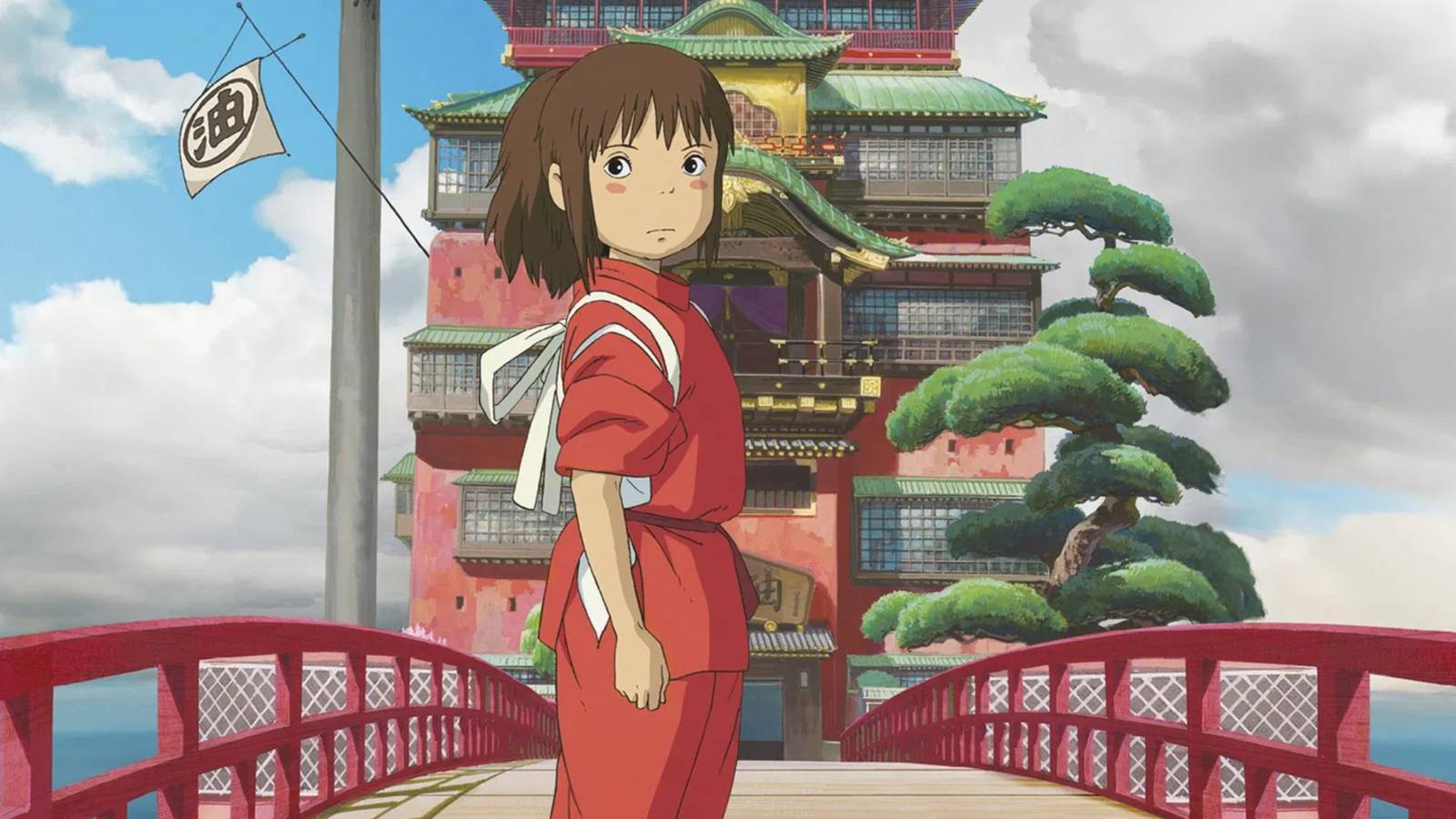
4. Spirited Away (2001)
Hayao Miyazaki's hand-drawn masterpiece is perhaps the most internationally acclaimed anime film ever made. The story follows ten-year-old Chihiro, who wanders into a world of spirits and gods after her parents are transformed into pigs. To save them, she must work in a bathhouse for spirits, navigating a world of strange creatures and learning about courage, identity, and the importance of remembering one's name.
Spirited Away won the Academy Award for Best Animated Feature, a first for a non-English-language film, and it introduced millions to the artistry of Studio Ghibli. Its influence can be seen in everything from modern fantasy epics to the works of filmmakers like Guillermo del Toro. Miyazaki's imaginative world-building, with its bathhouse spirits and train-over-water sequences, has inspired a generation of animators and storytellers. The film's themes of environmentalism and childhood resilience resonate as strongly today as they did two decades ago.
3. The Lord of the Rings: The Fellowship of the Ring (2001)
Peter Jackson's adaptation of J.R.R. Tolkien's epic novel was a monumental achievement that redefined what was possible in fantasy cinema. The film follows Frodo Baggins (Elijah Wood) as he inherits a ring of immense power and must journey to destroy it in the fires of Mount Doom. Along the way, he's joined by a fellowship of elves, dwarves, men, and wizards, each with their own motivations and fears.
The film's groundbreaking use of practical effects, miniatures, and early CGI created a world that felt tangible and lived-in. Jackson's decision to shoot the trilogy simultaneously allowed for unprecedented scale and continuity. The film's success proved that fantasy could be a major box office draw and critical darling, paving the way for other epic adaptations like Game of Thrones. Its influence on the genre is immeasurable, and it remains the gold standard for fantasy filmmaking.
2. The Wizard of Oz (1939)
Victor Fleming's Technicolor triumph is not just a fantasy classic—it's a cornerstone of American cinema. The film follows Dorothy Gale (Judy Garland) as she's swept away from her Kansas farm to the magical land of Oz. To find her way home, she must follow the Yellow Brick Road to the Emerald City, meeting a Scarecrow, a Tin Man, and a Cowardly Lion along the way, all while evading the Wicked Witch of the West.
The Wizard of Oz was a technical marvel for its time, using innovative special effects, matte paintings, and the first major use of Technicolor to create a vivid fantasy world. Its songs, including "Over the Rainbow," became instant classics, and its characters have become archetypes in popular culture. The film's influence extends beyond fantasy—it's a touchstone for musicals, family films, and even the concept of "there's no place like home." It remains one of the most watched films in history, and its legacy is undeniable.
1. Star Wars: A New Hope (1977)
George Lucas's space opera may be science fiction, but its fantasy elements—the Force, the hero's journey, the battle between good and evil—make it a fantasy film at its core. Star Wars follows Luke Skywalker (Mark Hamill) as he leaves his desert home to join the Rebel Alliance in a fight against the evil Galactic Empire. With the help of Jedi master Obi-Wan Kenobi, smuggler Han Solo, and Princess Leia, Luke discovers his destiny and the power of the Force.
Lucas's film revolutionized special effects with Industrial Light & Magic, creating a universe that felt lived-in and epic. Its mythic structure, drawn from Joseph Campbell's hero's journey, resonated with audiences worldwide, making it the highest-grossing film of its time. Star Wars didn't just influence fantasy—it created a cultural phenomenon that spawned sequels, prequels, spin-offs, and an entire expanded universe. Its impact on filmmaking, merchandising, and fandom culture is unmatched. For that reason, it stands as the most influential fantasy film of all time.
These eight films represent the pinnacle of fantasy cinema, each contributing something unique to the genre. From the whimsical charm of The Princess Bride to the epic scope of Lord of the Rings, they've inspired generations of filmmakers and continue to enchant audiences. As the genre evolves, these classics remain the benchmarks against which all fantasy films are measured.