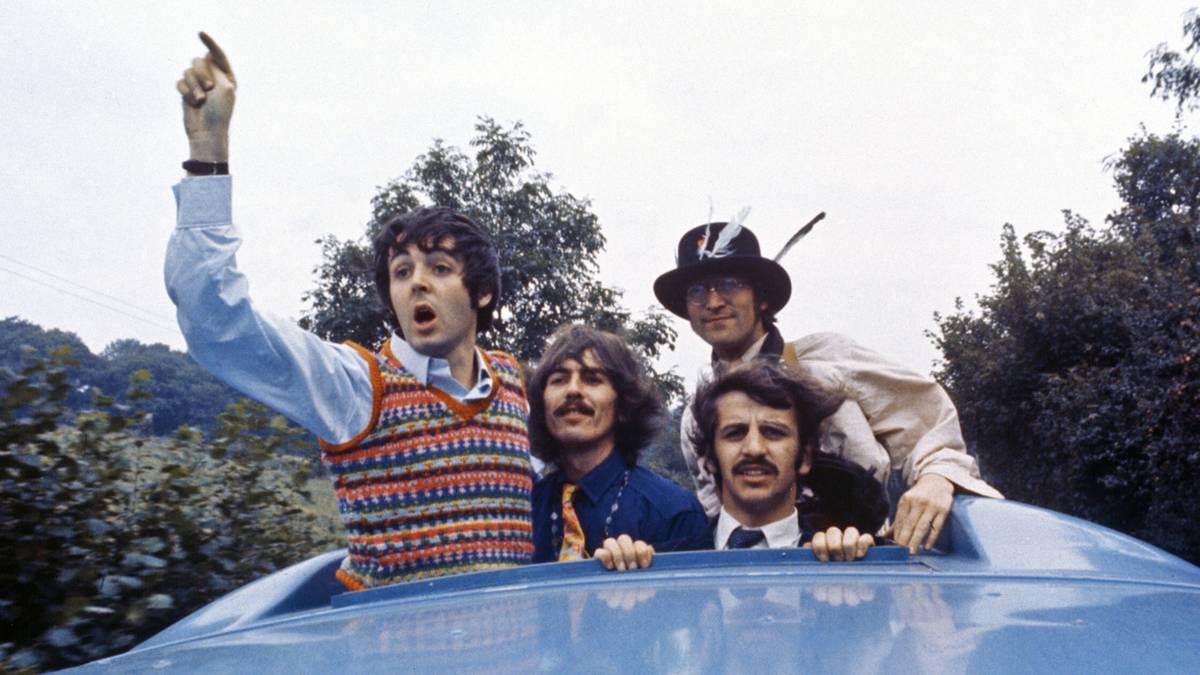
Fifty-six years ago, the music world received news that felt both shocking and inevitable: Paul McCartney had officially left The Beatles. While his public announcement on April 10, 1970, serves as the historical marker for the band's end, the truth behind the breakup reveals a far more gradual unraveling, with each member having already emotionally checked out long before the final curtain fell.
The Cracks Beneath the Surface
Long before McCartney's definitive statement, The Beatles were a band straining under the immense weight of their own legend. The late 1960s saw creative differences and the suffocating pressure of global fame creating fractures that couldn't be repaired. Contrary to popular belief, McCartney wasn't the first to want out—he was simply the one who made it permanent after years of internal struggle.
A Band Already Walking Away
Each member had, in fact, temporarily abandoned the group during its final years. Ringo Starr famously left for two weeks in 1968, only returning after finding flowers on his drum kit as a peace offering. George Harrison walked out for five tense days during the Get Back sessions in early 1969, frustrated by the constant filming and creative friction. "I know John wanted out," Harrison later reflected on that stressful period. "It was a very, very difficult, stressful time."
Perhaps most significantly, John Lennon had privately told his bandmates in September 1969 that he wanted a "divorce" from The Beatles. His work with the Plastic Ono Band offered a creative outlet he felt was missing from the legendary quartet. The legendary Lennon-McCartney songwriting partnership, once the engine of the band, was sputtering.
The Final Catalyst
Business disputes ultimately pushed the crumbling relationships past the breaking point. The band's Apple Records label became a battleground, particularly over the appointment of manager Allen Klein. McCartney strongly opposed Klein's involvement, favoring his own father-in-law for the role. This professional discord extinguished the last embers of friendship and camaraderie, making even routine business meetings unbearable.
By the time McCartney sat down for his now-famous self-interview in April 1970, the decision felt less like a bombshell and more like a formality. "I have no future plans to record or appear with the Beatles again," he stated plainly in the Daily Mirror. His announcement simply confirmed what had been true for some time: the door was already closed. He was just the one to lock it.
Legacies Forged in the Aftermath
McCartney's solo album, aptly titled McCartney, became the final punctuation mark on The Beatles' story. While he called leaving "very difficult because that was my life's job," his post-Beatles career soared with 83 Grammy nominations and a Guinness World Record for most number-one hits as a songwriter. The split allowed all four members to define their own musical identities beyond the shadow of the band that made them icons.
The breakup didn't diminish their collective achievement; it simply acknowledged that their time as a unit had creatively expired. For fans looking to explore more music history, check out our guide to weekend streaming picks or dive into the story behind one of McCartney's early solo experiments in 'Bip Bop'. The Beatles' end wasn't a single moment of drama, but the final act of a long, complicated, and ultimately liberating process for four of music's greatest talents.