The 20th century was a golden age for fantasy literature, transforming ancient myths and fairy tales into the rich, complex genre we know today. From the epic scope of Tolkien to the gritty realism of George R.R. Martin, these authors didn't just write stories—they built worlds that continue to captivate readers and inspire countless adaptations. Here are the greatest fantasy books of the 1900s, ranked by their influence, innovation, and sheer storytelling power.
10. A Game of Thrones (1996)
George R.R. Martin shattered fantasy conventions with his debut in the A Song of Ice and Fire series. A Game of Thrones plunged readers into a brutal, politically charged world where no character is safe and morality is murky. The book's intricate plotting, sprawling cast, and willingness to kill off beloved characters made it an instant sensation, eventually spawning one of the biggest TV phenomena in history. Its blend of court intrigue, ancient grudges, and looming supernatural threats set a new standard for epic fantasy.

9. Harry Potter and the Philosopher's Stone (1997)
J.K. Rowling's debut introduced the world to a boy wizard who would become a cultural icon. Harry Potter and the Philosopher's Stone is a masterclass in whimsical world-building, from the bustling Diagon Alley to the cozy halls of Hogwarts. The trio of Harry, Ron, and Hermione—mismatched yet inseparable—captured hearts worldwide, while the mystery of the Philosopher's Stone gave the story a taut, page-turning plot. It's no exaggeration to say this book ignited a reading revolution among young audiences.
8. Watership Down (1972)
Richard Adams proved that even rabbits could carry an epic. Watership Down follows a small group of rabbits fleeing a doomed warren, embarking on a perilous journey to find a new home. What sounds like a simple animal tale becomes a profound exploration of leadership, survival, and mythology. Adams grounds the story in real rabbit behavior, complete with their own language and folklore, making it both believable and deeply moving. The book's darker moments—like the dreaded Shining Wire—still resonate with readers today.
7. The Silmarillion (1977)
Published after J.R.R. Tolkien's death, The Silmarillion is the mythological backbone of Middle-earth. It chronicles the creation of the world, the rise of the elves, and the tragic tale of Fëanor, whose oath to reclaim the Silmarils plunges the land into war. While denser than The Lord of the Rings, it offers breathtaking stories like Beren and Lúthien's doomed love and the fall of Gondolin. For devoted fans, it's an essential read that deepens the lore of Tolkien's universe.
6. The Last Unicorn (1968)
Peter S. Beagle's The Last Unicorn is a lyrical, melancholic masterpiece. It follows a unicorn who discovers she may be the last of her kind and sets out to find her missing kin, only to encounter King Haggard and the terrifying Red Bull. Beagle subverts classic fantasy tropes, giving his characters depth and vulnerability. Molly Grue's poignant lament—waiting years for a unicorn to appear—is just one of many moments that elevate this book beyond simple adventure.
5. The Wizard of Earthsea (1968)
Ursula K. Le Guin's A Wizard of Earthsea redefined magic as a force of balance and consequence. The story follows Ged, a proud young mage who unleashes a shadow that haunts him across the archipelago. Le Guin's prose is spare yet profound, exploring themes of identity, responsibility, and the dangers of unchecked power. Its influence can be seen in countless fantasy works that followed, from Harry Potter to The Name of the Wind.
4. The Chronicles of Narnia: The Lion, the Witch and the Wardrobe (1950)
C.S. Lewis's portal fantasy remains a beloved entry point into the genre. The Lion, the Witch and the Wardrobe transports four siblings to a frozen Narnia under the White Witch's rule. With its Christian allegory, talking animals, and epic battle between good and evil, it's a story that has enchanted generations. Lewis's ability to blend whimsy with moral weight makes it a timeless classic.
3. The Hobbit (1937)
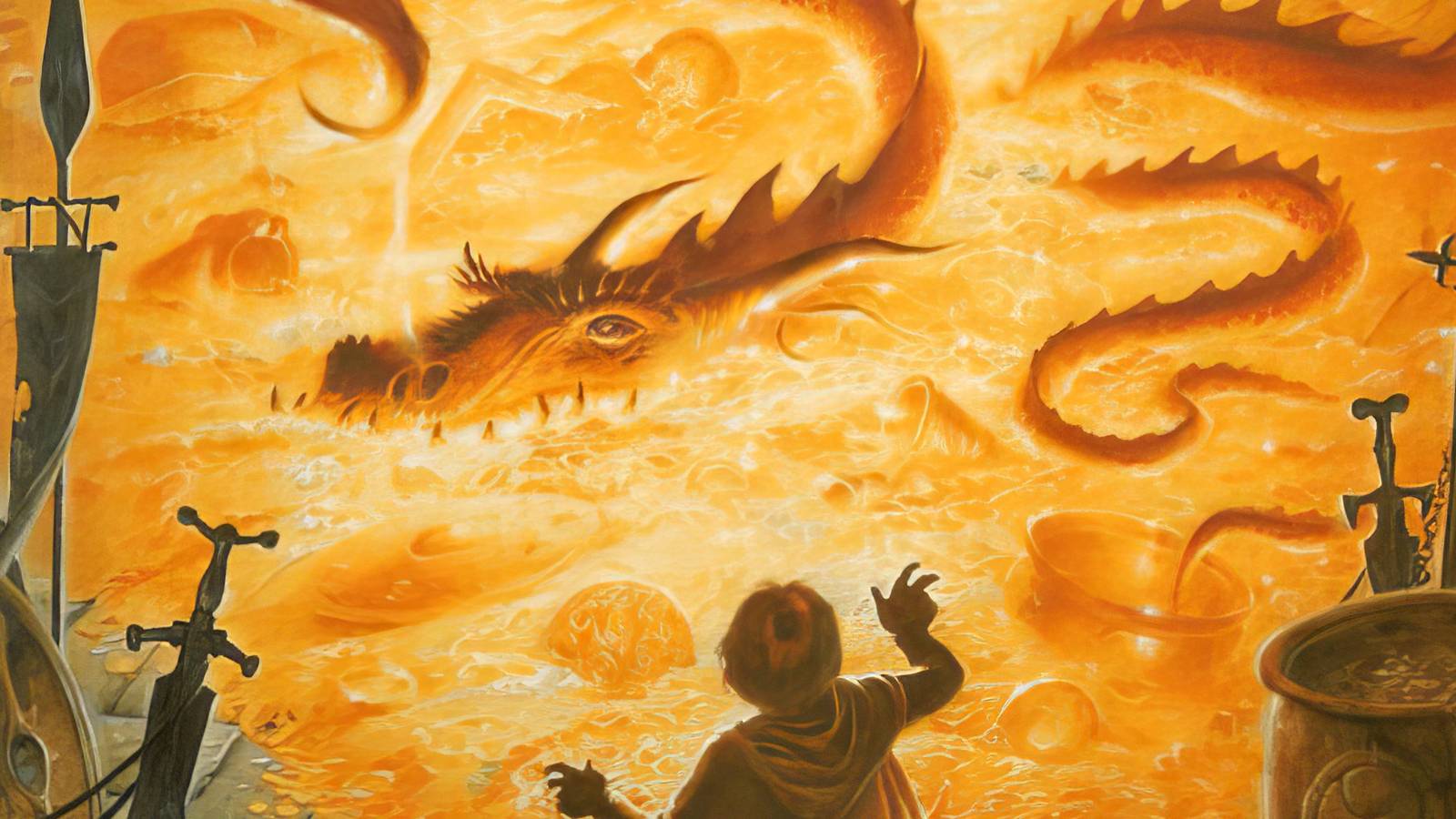
Before the epic trilogy, there was a simple tale of a hobbit who liked his comforts. The Hobbit introduces Bilbo Baggins, who is swept into an adventure with dwarves and a wizard to reclaim a dragon's hoard. It's a charming, fast-paced story that laid the groundwork for Middle-earth. Tolkien's wit and world-building shine here, making it a perfect starting point for fantasy readers of all ages.
2. The Golden Compass (1995)
Philip Pullman's The Golden Compass (published as Northern Lights in the UK) is a philosophical tour de force. It follows Lyra Belacqua in a world where human souls manifest as animal companions called daemons. Pullman tackles heavy themes—free will, organized religion, and the nature of consciousness—while delivering a gripping adventure across parallel universes. Its intellectual depth and moral complexity set it apart from typical fantasy.
1. The Lord of the Rings (1954-1955)
No list of 20th-century fantasy is complete without J.R.R. Tolkien's magnum opus. The Lord of the Rings is not just a book; it's a cultural touchstone that defined the genre. From the Shire to Mordor, Tolkien crafted a world of staggering detail, complete with languages, histories, and mythologies. The quest to destroy the One Ring is a timeless tale of friendship, sacrifice, and the struggle against overwhelming evil. Its influence is immeasurable, and it remains the benchmark against which all fantasy is measured.
These ten books represent the pinnacle of 20th-century fantasy, each contributing something unique to the genre. Whether you're a longtime fan or new to the world of magic and dragons, these are essential reads that continue to inspire and entertain. For more fantasy recommendations, check out our list of short fantasy series or explore books to fill the Shadow and Bone void.