Sequels face a tricky balancing act: they need to up the ante without losing what made the original special. Often, that means raising the stakes—and sometimes, that takes a turn for the darker. Here are eight immediate sequels that traded the relative lightness of their predecessors for something more intense, suspenseful, and emotionally weighty.
For a Few Dollars More (1965)
While the Dollars trilogy is often debated in terms of chronology, For a Few Dollars More was the second film released, following A Fistful of Dollars. The first was gritty for its time, but this sequel gave its protagonist a deeply personal vendetta, adding a layer of emotional darkness that the original lacked. It's also more confrontational than the later The Good, the Bad and the Ugly, making it a standout in the spaghetti Western genre.
Back to the Future Part II (1989)
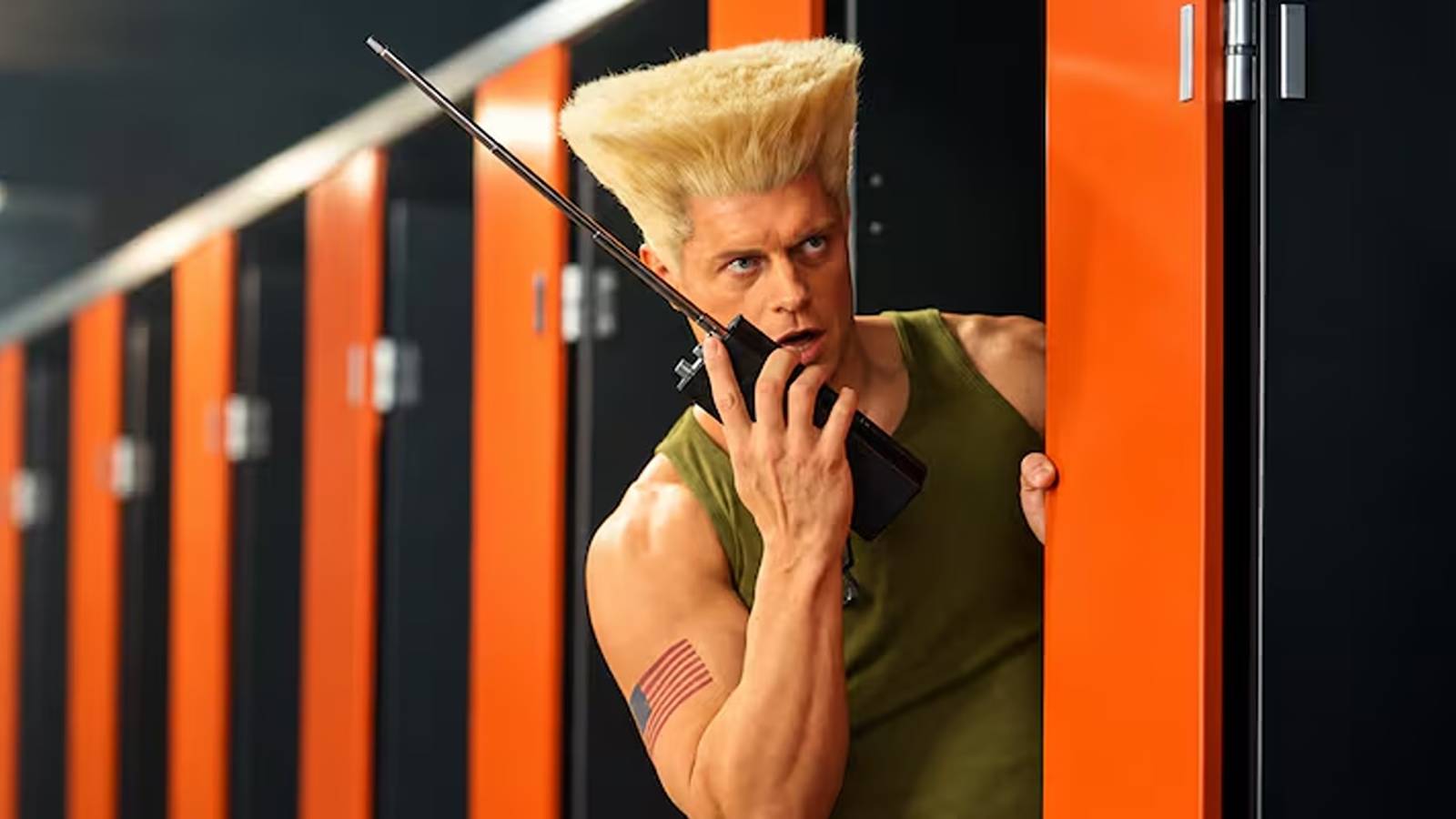
The original Back to the Future is a fun, time-traveling adventure with just a hint of tension. Its sequel, however, dives into a dystopian alternate 1985 where Biff has corrupted the timeline. The complexity and darker implications of a world gone wrong make this a more intense ride, even if it retains some of the original's charm.
Toy Story 2 (1999)
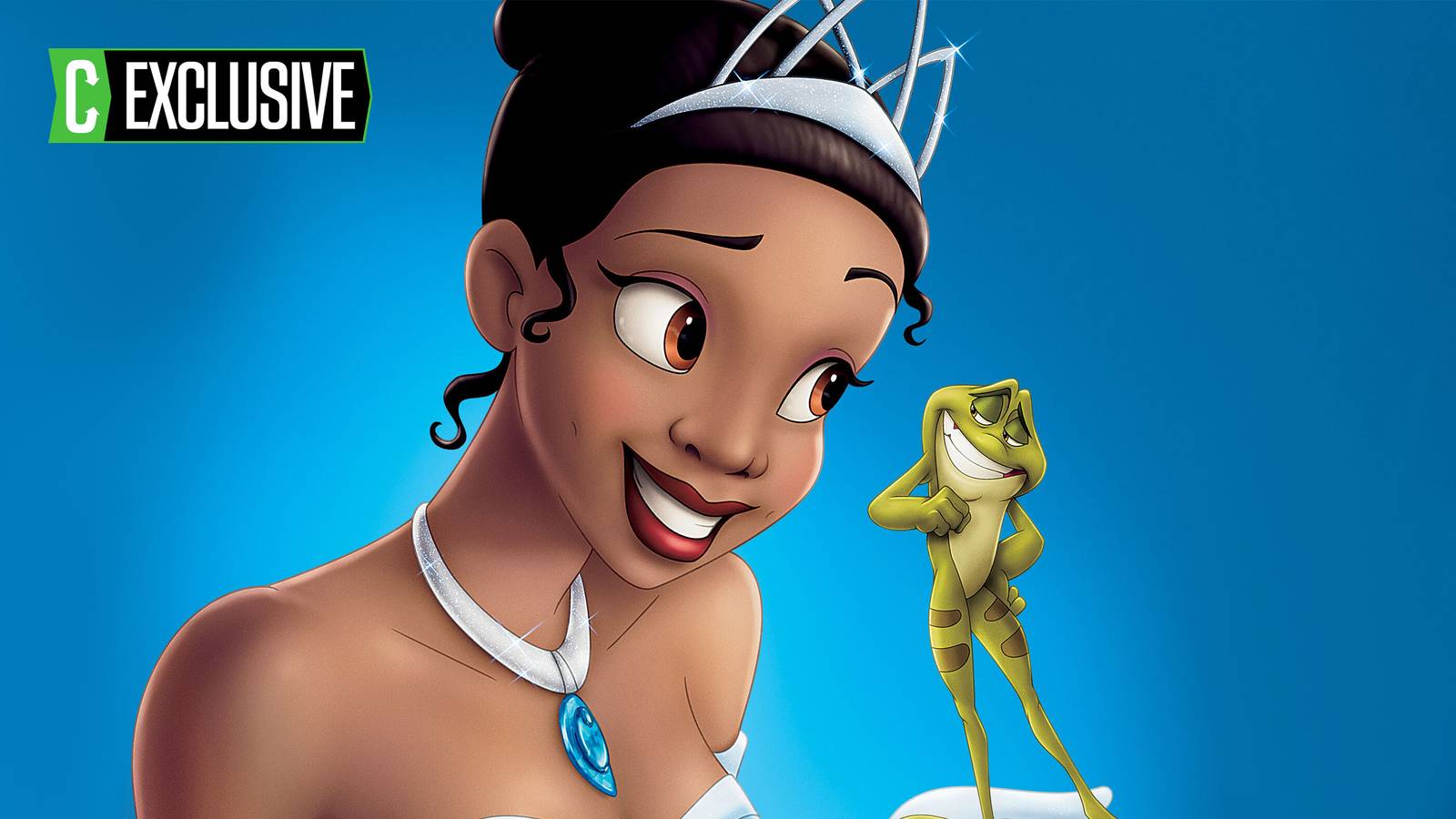
Pixar's first sequel surprised audiences by delving into themes of mortality and legacy. While Toy Story had its emotional moments, Toy Story 2 hits harder with Jessie's heartbreaking backstory and Woody's existential crisis. It's a film that proves animated sequels can carry real emotional weight, setting the stage for the even more devastating Toy Story 3.
Star Trek II: The Wrath of Khan (1982)
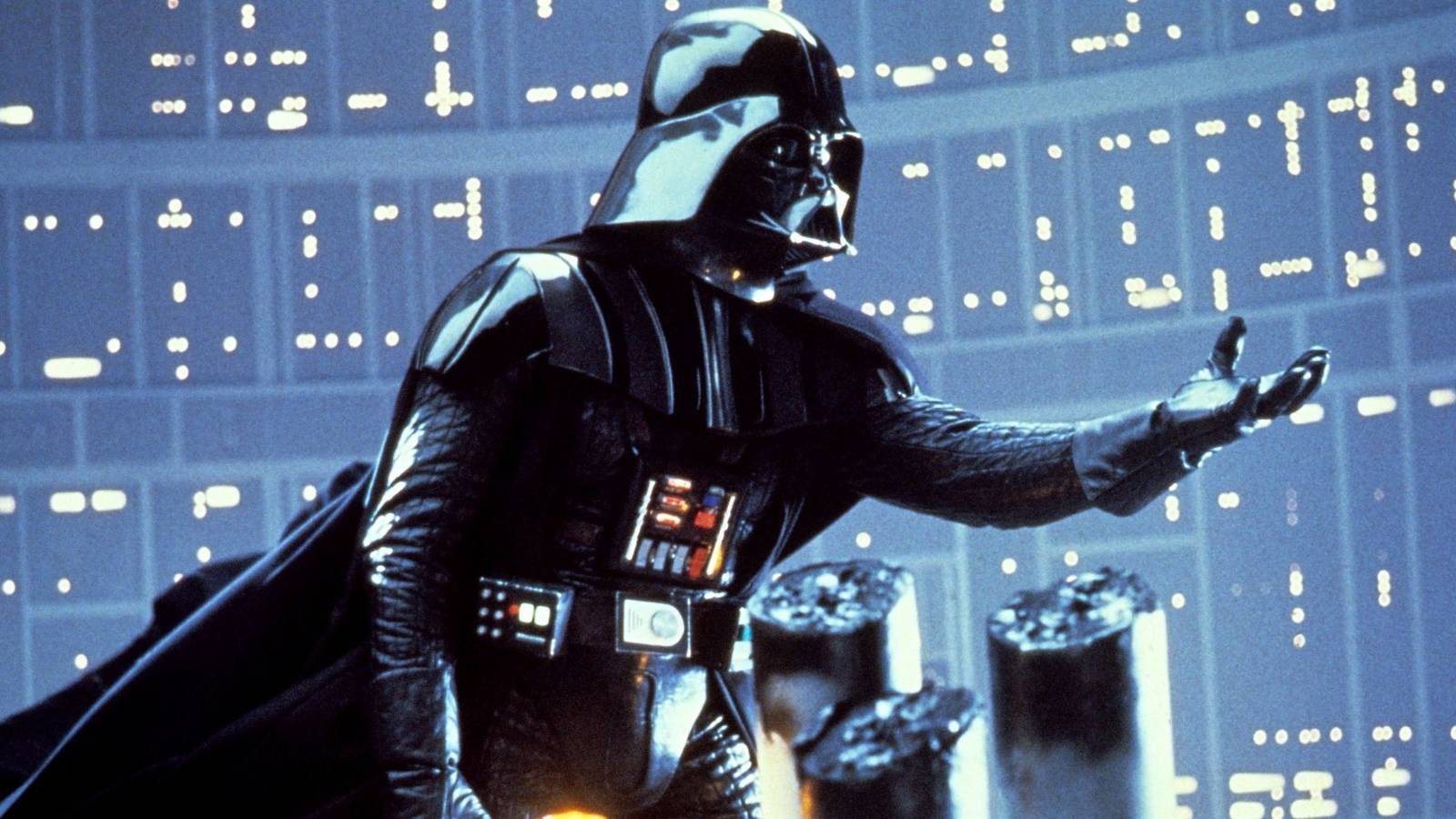
After the slow, philosophical Star Trek: The Motion Picture, The Wrath of Khan injected the franchise with thrilling action and a genuinely menacing villain. Khan, once a one-off TV character, became a formidable foe, and the film's themes of aging, revenge, and sacrifice gave it a darker, more personal edge that resonated with audiences.
The Dark Knight (2008)
Christopher Nolan's Batman Begins was already a gritty reboot, but The Dark Knight took things to another level. The Joker's chaotic philosophy and the moral dilemmas he forces upon Batman make this a profoundly dark and thought-provoking superhero film. It's no surprise that it influenced countless superhero movies that followed, raising the bar for the genre.
The Godfather Part II (1974)
While not in the original list, The Godfather Part II is a prime example of a sequel that outshines its predecessor in darkness. It interweaves Vito's rise with Michael's fall, showing the corruption of power and the cost of family loyalty. The film's bleak tone and tragic arc make it a masterpiece of cinematic darkness.
Aliens (1986)
James Cameron's Aliens shifted from the original's horror to action, but it didn't lose the darkness. The threat is amplified, and the stakes are higher, with Ripley facing her nightmares and the loss of her surrogate family. The film's intense, claustrophobic sequences and the reveal of the alien queen add a layer of dread that surpasses the original.
Terminator 2: Judgment Day (1991)
Another Cameron sequel, T2 took the dark premise of the first film—a relentless killer robot—and expanded it into a full-blown apocalyptic vision. The idea of a nuclear war and the fate of humanity hanging in the balance makes this sequel far more ominous, even as it introduces a more sympathetic Terminator.
These sequels prove that going darker can be a winning strategy, creating stories that linger in our minds long after the credits roll. For more on how sequels have shaped cinema, check out our list of crime movies that defined the genre or our ranking of horror sequels that are equally intense.