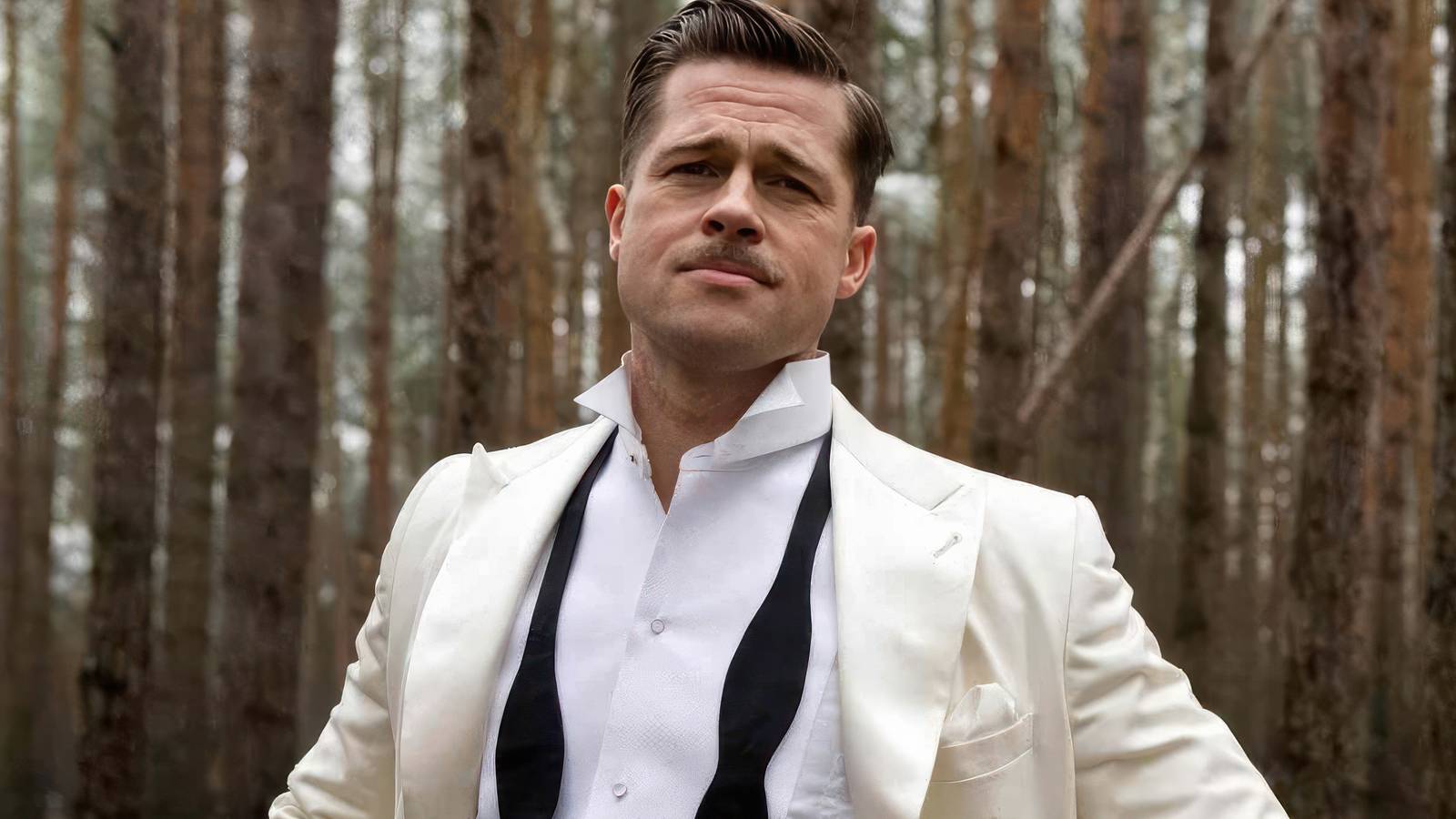
Quentin Tarantino's Inglourious Basterds didn't just rewrite World War II history—it rewrote the rules for the entire war movie genre. But the director's audacious, blood-soaked revenge fantasy didn't emerge from a vacuum. Its DNA can be traced directly back to a tense, morally complex thriller made in the heat of the actual conflict: Fritz Lang's 1943 film Hangmen Also Die!
The Original Blueprint for a Revisionist War Story
Directed by the legendary German filmmaker Fritz Lang after he fled Nazi Germany, Hangmen Also Die! sidestepped the straightforward heroics common in wartime cinema. Instead, it plunged audiences into a murky world of impossible choices. The plot centers on Dr. Franticek Svoboda, a Czech resistance fighter who assassinates a notorious Nazi official known as the "Hangman of Europe." When his escape fails, he hides with a stranger and her family, forcing everyone into a brutal moral calculus as the Nazis execute civilians in retaliation. Should he surrender and cripple the resistance, or stay hidden and bear the guilt of more innocent deaths?

This atmosphere of pervasive tension and moral ambiguity was exactly what Tarantino sought to capture. In a 2009 press conference, he explained his fascination with films from the 1940s made by exiled directors. "These are movies made exactly at the time of World War II, when the Nazis weren't this theoretical, evil, boogeyman from the past, but were actually a threat; this was actually going on," Tarantino said. That palpable sense of an unresolved, ongoing conflict became the engine for Inglourious Basterds.
Shared DNA: Tense Interrogations and Weaponized Civility
The parallels between the two films are striking, especially in their portrayal of cunning Nazi antagonists. In Lang's film, a Gestapo inspector named Ritter interrogates a suspect while casually enjoying a meal, his polite questions laced with lethal menace. This scene is a clear precursor to Colonel Hans Landa's infamous strudel encounter with Shosanna Dreyfus in Inglourious Basterds. Both villains use a veneer of civility as a psychological weapon, creating unbearable suspense from simple conversations where violence feels imminent.
Both narratives also hinge on high-stakes assassination plots driven by occupied citizens. Where Lang's film fictionalizes the real-life killing of Reinhard Heydrich, Tarantino takes the concept further, allowing his characters to successfully assassinate Adolf Hitler and other high-ranking Nazis in a cathartic, explosive finale. This shared willingness to bend history for dramatic impact links the films across six decades.
Why This Vintage Thriller Still Resonates
Hangmen Also Die! stands apart from later WWII films because it was made without the safety of knowing the Allies would win. Lang, having personally escaped the Nazi regime, infused his film with an urgency and terror that retrospective stories often lack. Tarantino channeled this same "in-the-moment" energy, making the viewer feel the unpredictable danger of the era, rather than the foregone conclusion of history books.
For fans of tense, character-driven thrillers, Hangmen Also Die! remains a hidden gem that delivers serious chills. Its influence is a testament to how powerful storytelling can echo through generations of cinema. It's also a fascinating companion piece for viewers revisiting Brad Pitt's other gritty WWII outing, as 'Fury' exits Netflix soon.
Ultimately, the connection between these two films highlights Tarantino's deep cinephilia. He didn't just make a war movie; he engaged in a conversation with film history, using Lang's tense, morally fraught thriller as a foundation upon which to build his own explosive, genre-defying monument. It's a reminder that even the most original visions are often in dialogue with the classics that came before.