Saturday Night Live has never shied away from controversy, but Shane Gillis's October 10 episode took things to a new level. His opening monologue, which included an accidental F-bomb and a crude commentary on women's gym attire, drew swift criticism. But across the pond, the team at SNL UK had their own response—and it was as sharp as it was succinct.
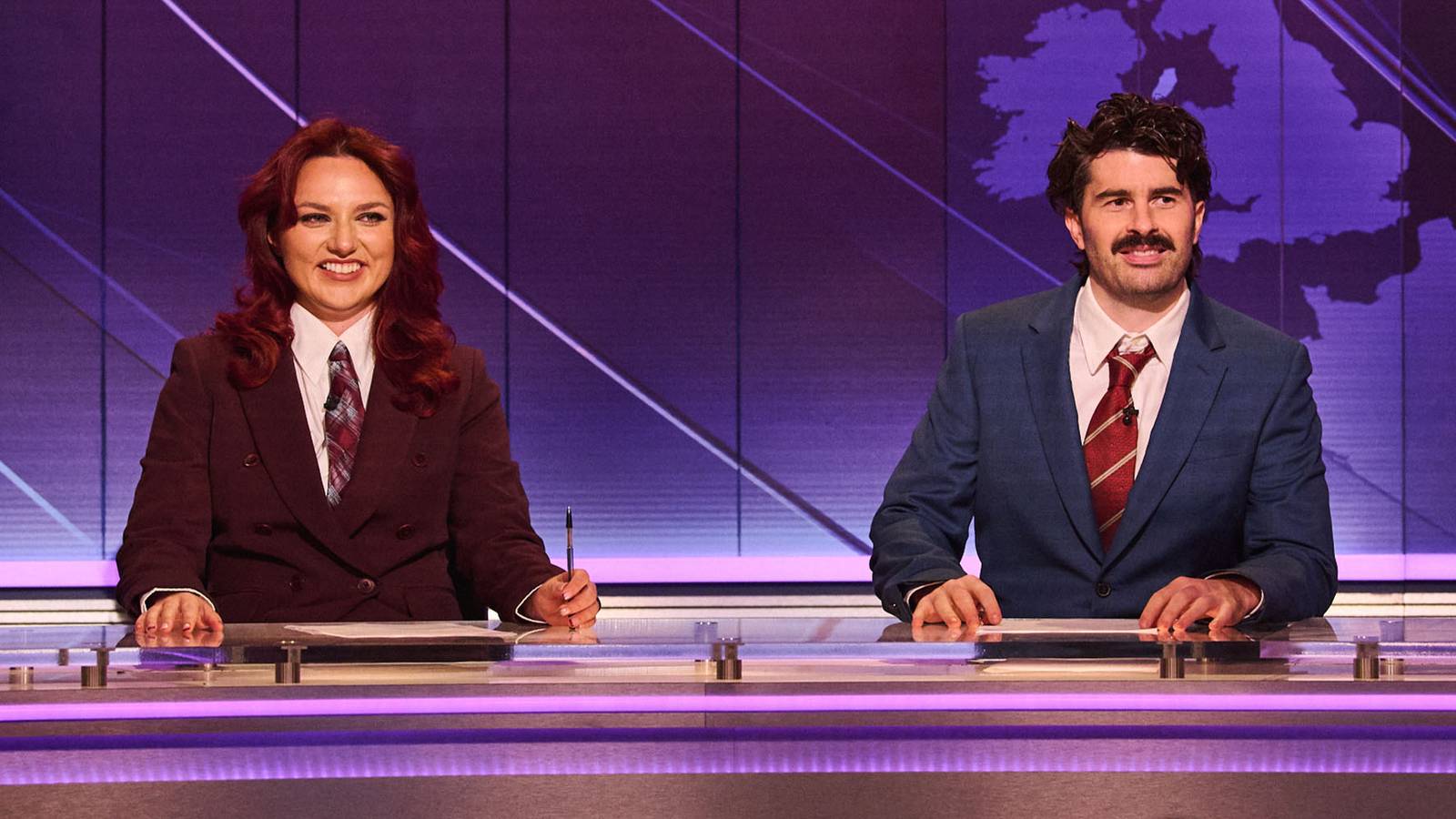
During a Weekend Update segment, co-anchor Ania Magliano addressed a story about an Oktoberfest ride operator who handed out free cycling shorts to protect women from being upskirted. While acknowledging the gesture, Magliano noted that the shorts left women vulnerable to something "much worse." She then flashed a photo of Gillis and, without missing a beat, called him a "stupid f—king c—t" on live, uncensored TV. It was a brief, biting moment that packed more punch than Gillis's entire seven-minute monologue.
The Punchline Matters
There's a fine line between edgy comedy and outright mockery. Gillis's monologue started with self-deprecating humor but quickly devolved into a rant about women's bodies and clothing, framing them as a burden for men. Magliano's joke, by contrast, targeted Gillis's actual behavior—not his appearance or an entire demographic. She turned the joke back on him, highlighting the difference between punching down and punching up.
Comedy doesn't have to be safe or polite, but it should have a point. Magliano proved that you can be as crude as you want while still landing a meaningful blow. The real takeaway isn't about how far a comedian can push boundaries, but whether there's substance behind the shock value.
Michael Che's Different Take
Interestingly, Magliano wasn't the only Weekend Update anchor to weigh in. On the other side of the Atlantic, SNL's Michael Che appeared on Today and downplayed the backlash, saying, "That's comedy. It's like, you think that it's funny, and then some people don't." When pressed, he admitted he hadn't even seen the joke until the next day, as he was busy preparing his own segment.
Che's response, while understandable, highlights a common disconnect. For women who've spent years dealing with judgment over their clothing, the issue isn't something they can simply ignore. Magliano's joke, on the other hand, showed that she understood the stakes—and she wasn't afraid to call out Gillis directly.
In the end, Magliano's one-liner wasn't just about Gillis's swearing; it was about the harmful rhetoric he'd espoused. And by delivering it with such precision, she reminded audiences why the target of a punchline matters just as much as the joke itself.