Over the last forty years, literature has been a mirror to a world in constant flux—capturing shifting social landscapes, the rise of globalization, and the digital age. As our global community grows more interconnected, authors have unearthed stories and perspectives that were once pushed to the margins. The books that have truly stood out are those that not only reflect their time but also speak to enduring truths about power, identity, and belonging.
From a Nobel laureate's meditation on duty to a Pulitzer-winning tale of espionage, these five novels have left an indelible mark on readers and critics alike. Here are the greatest books of the past four decades, ranked.

5. Wolf Hall (2009)
Hilary Mantel's Wolf Hall reimagines the rise of Thomas Cromwell, a blacksmith's son who becomes the most powerful man in Henry VIII's court. Set against the backdrop of the King's desperate quest to annul his marriage to Catherine of Aragon, the novel follows Cromwell as he navigates the treacherous waters of Tudor politics. When his mentor, Cardinal Wolsey, falls from grace, Cromwell must use his cunning and negotiating skills to survive and thrive.
What makes Wolf Hall so compelling is its protagonist. Cromwell is neither a saint nor a villain—he's a man of immense intelligence and ambition, but also surprising loyalty. Mantel's close third-person narration places readers inside Cromwell's head, making political maneuvering as thrilling as any battle scene. The novel's exploration of power, loyalty, and the cost of ambition feels as relevant today as it was in the 16th century.
4. The Sympathizer (2015)
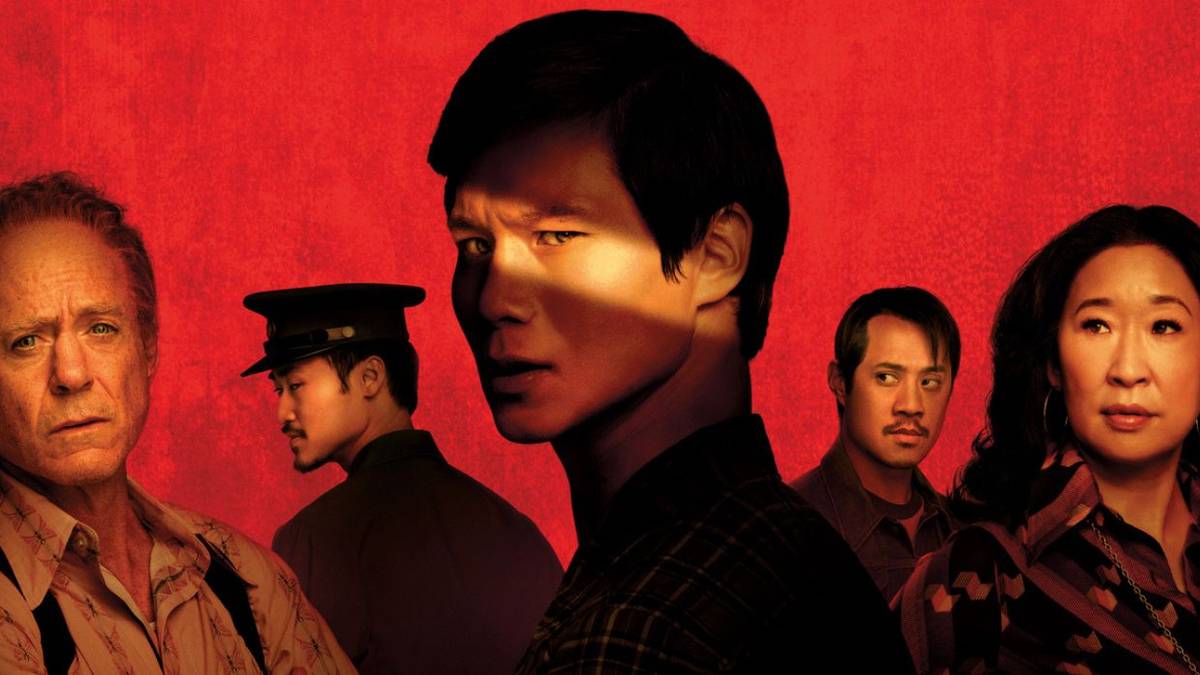
Viet Thanh Nguyen's The Sympathizer offers a perspective on the Vietnam War that is rarely seen in American literature. The unnamed narrator is a communist spy of Vietnamese and French descent who flees to Los Angeles after the fall of Saigon. His mission: to infiltrate a community of South Vietnamese exiles and report back to his superiors. But as he becomes entangled in American life, his dual identity becomes a burden.
The novel is a gripping exploration of identity and belonging. The protagonist is caught between two worlds—too Vietnamese for some, too Western for others. His struggle to reconcile his loyalties forces him to question everything he believes in. The Sympathizer is a powerful reminder that history is never simple, and that the lines between friend and enemy are often blurred.
3. Babel, or the Necessity of Violence (2022)
R.F. Kuang's Babel is a dark academia fantasy that uses magic to critique colonialism. In an alternate 1830s Britain, translation is a source of magical power, and the Empire's wealth depends on exploiting the languages and cultures it claims to study. The story follows Robin Swift, a Canton-born orphan brought to Oxford to train at the Royal Institute of Translation. As he learns the secrets of silver-working, he discovers the dark truth behind Britain's prosperity.
Kuang masterfully weaves together fantasy and historical critique. The novel asks tough questions about the role of education in perpetuating systems of oppression. Can knowledge ever be neutral? Babel suggests that language is a tool that can both bridge and divide, and that the pursuit of knowledge is often entangled with political power. It's a thought-provoking read that resonates with contemporary debates about cultural appropriation and institutional complicity.
2. The Remains of the Day (1989)
Kazuo Ishiguro's The Remains of the Day is a quiet masterpiece about regret and the passage of time. The novel follows Stevens, an aging butler who takes a road trip to visit a former colleague, Miss Kenton. Along the way, he reflects on his decades of service to Lord Darlington, a man whose political sympathies would later prove disastrous. Stevens begins to question whether his unwavering devotion was worth the personal sacrifices he made.
Ishiguro's novel is a subtle exploration of class, duty, and self-deception. Stevens is a man who has defined his entire existence through his profession, only to realize that he may have missed the point of his own life. The novel's emotional power lies in its restraint—what is left unsaid speaks volumes. It's a haunting portrait of a man who has given everything to a cause that may not have deserved him.
1. The Sympathizer's Legacy
While all these novels are exceptional, The Sympathizer stands out for its bold narrative and unflinching look at history. It's a book that challenges readers to see the Vietnam War from a perspective that has been largely ignored. Its protagonist's struggle for identity in a world that demands he choose a side is a universal theme that resonates across cultures and eras.
These five novels represent the best of what literature can offer: they entertain, provoke, and illuminate. Whether you're drawn to historical fiction, espionage, or speculative fantasy, these books are essential reading for anyone who wants to understand the complexities of our world.