There's a special kind of magic in a film that makes your heart race without a single drop of blood. That's the art of suspense—a genre that has been thrilling audiences since the 1930s, relying on clever camera work, sharp editing, and the power of implication rather than explicit shocks. In the days of the Hays Code, filmmakers had to be ingenious, and their restraint often made the tension even more unbearable. Here are ten classics that still know how to keep us on the edge of our seats.
10. The Third Man (1949)
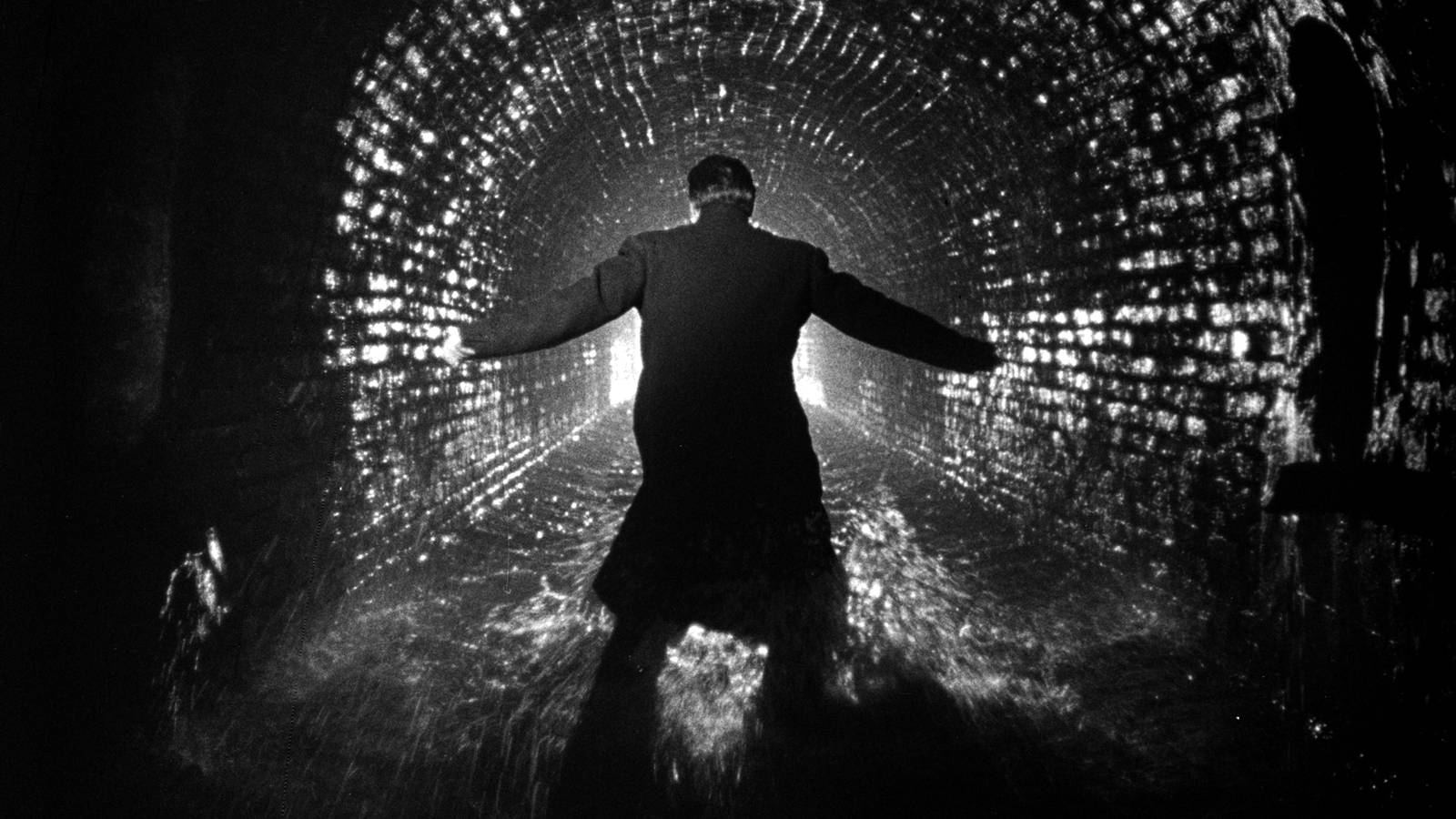
Set in a divided post-war Vienna, this noir masterpiece follows Holly Martins, an American writer who arrives to find his friend Harry Lime dead under mysterious circumstances. As he digs deeper, he uncovers a web of corruption and espionage, all while the city's four-power occupation adds a layer of political unease. The film's use of Dutch angles, a haunting zither score, and Orson Welles' unforgettable entrance make it a textbook example of how atmosphere can generate suspense. The final chase through the sewers is a nail-biter that never lets up.

9. What Ever Happened to Baby Jane? (1962)
This psychological horror-thriller pits two aging Hollywood sisters against each other in a decaying mansion. Bette Davis and Joan Crawford deliver career-defining performances as Jane, a former child star, and Blanche, her wheelchair-bound sister. The real-life animosity between the actresses adds a layer of authenticity to their venomous exchanges. As Jane's grip on reality slips, the film becomes a claustrophobic study of jealousy, madness, and the dark side of fame. Every creak of the floorboards and every whispered threat ratchets up the dread.
8. Touch of Evil (1958)
Orson Welles directs this gritty border-town thriller that opens with one of the most famous long takes in cinema history—a ticking bomb in a car, and we know it. The tension is immediate and doesn't let go. Charlton Heston plays a Mexican official who clashes with a corrupt American cop, played by Welles himself. The film's shadowy visuals and pulsing score create a sense of moral decay that permeates every scene. It's a masterclass in building unease, from the claustrophobic interiors to the explosive finale.
7. Rear Window (1954)
Alfred Hitchcock's one-location masterpiece turns voyeurism into a nerve-wracking experience. Photographer L.B. Jeffries, confined to a wheelchair with a broken leg, spies on his neighbors and becomes convinced one of them has committed murder. The film cleverly makes us complicit in his snooping, and when the suspected killer seems to notice him, the terror becomes personal. With James Stewart's everyman charm and Grace Kelly's cool elegance, this is suspense at its most elegant and unnerving.
6. High and Low (1963)
Akira Kurosawa's corporate thriller is a gripping tale of a wealthy executive who must decide whether to pay a ransom for a child who isn't his. The first half is a tense hostage negotiation, while the second half becomes a meticulous police procedural. The film's moral complexity and social commentary elevate it beyond a simple crime story. Kurosawa's direction keeps the pressure on, and the final confrontation is as much about justice as it is about suspense.
5. Psycho (1960)
Hitchcock's shocker redefined the thriller genre and gave us the iconic shower scene. But beyond the famous set pieces, Psycho is a masterclass in building dread. The story of Marion Crane, who steals money and checks into the Bates Motel, takes a dark turn when she meets Norman Bates. The film's score, its use of shadows, and Anthony Perkins' unsettling performance create an atmosphere of pure unease. Even today, the final shot of Norman's smile sends chills down the spine.
4. The Wages of Fear (1953)
This French thriller is a relentless exercise in tension. Four men are hired to drive trucks loaded with nitroglycerin across treacherous mountain roads to extinguish an oil well fire. Every bump, every turn, every moment could be their last. The film's slow-burn first half gives way to a white-knuckle second half that is almost unbearable to watch. It's a testament to the power of suspense that doesn't rely on action but on the constant threat of explosion.
3. Rope (1948)
Hitchcock again, this time with a film that appears to be shot in one continuous take. Two young men strangle a classmate and then host a dinner party with the body hidden in a trunk. The tension comes from the guests' obliviousness and the hosts' growing arrogance. The real-time format makes the audience feel like a guest at the party, trapped in the room with the murderers. It's a daring experiment that pays off in spades.
2. The Silence of the Lambs (1991)
Though technically a modern classic, this film has earned its place among the greats. Jodie Foster's Clarice Starling must seek the help of the brilliant but monstrous Hannibal Lecter to catch another serial killer. The cat-and-mouse game between Foster and Anthony Hopkins is pure cinematic gold, with every scene crackling with tension. The film's climax in the dark basement is a masterclass in suspense, proving that the genre is alive and well.
1. Vertigo (1958)
Hitchcock's most personal and haunting film is a slow-burn psychological thriller that builds to a devastating climax. James Stewart plays a retired detective with a fear of heights who becomes obsessed with a woman he's hired to follow. The film's exploration of obsession, identity, and the past is as unsettling as it is beautiful. The famous dolly zoom effect, the haunting score, and the tragic ending make Vertigo the ultimate suspense classic. It's a film that gets under your skin and stays there.
These films prove that suspense is an art form, one that relies on the audience's imagination and the filmmaker's skill. Whether it's the claustrophobia of a single room or the vastness of a city, these classics know how to make our hearts pound. For more nerve-wracking picks, check out our list of psychological thrillers with unforgettable openings or dive into the worst of the genre for a laugh. And if you're in the mood for more modern thrills, our best action movies since 2010 might be just what you need.