Denis Villeneuve has built a reputation for crafting visually stunning and emotionally resonant films across genres, from the gritty tension of Prisoners to the neon-soaked sequel Blade Runner 2049. But it's his work in science fiction that has truly cemented his legacy. After the monumental success of the first Dune, Villeneuve became a household name, and fans worldwide have been eagerly awaiting the next chapter.
For years, Frank Herbert's Dune was considered unfilmable—a sprawling, dense narrative that defied easy adaptation. Yet Villeneuve, with his meticulous eye and deep respect for the source material, brought the desert planet of Arrakis to life in a way that felt both epic and intimate. From the majestic sandworms to the stark, industrial world of Giedi Prime, every detail was rendered with breathtaking fidelity. With a stellar cast including Timothée Chalamet, Zendaya, Javier Bardem, and Rebecca Ferguson, the franchise has become a cultural phenomenon, and anticipation for the trilogy's conclusion, set for release this December, is at an all-time high.
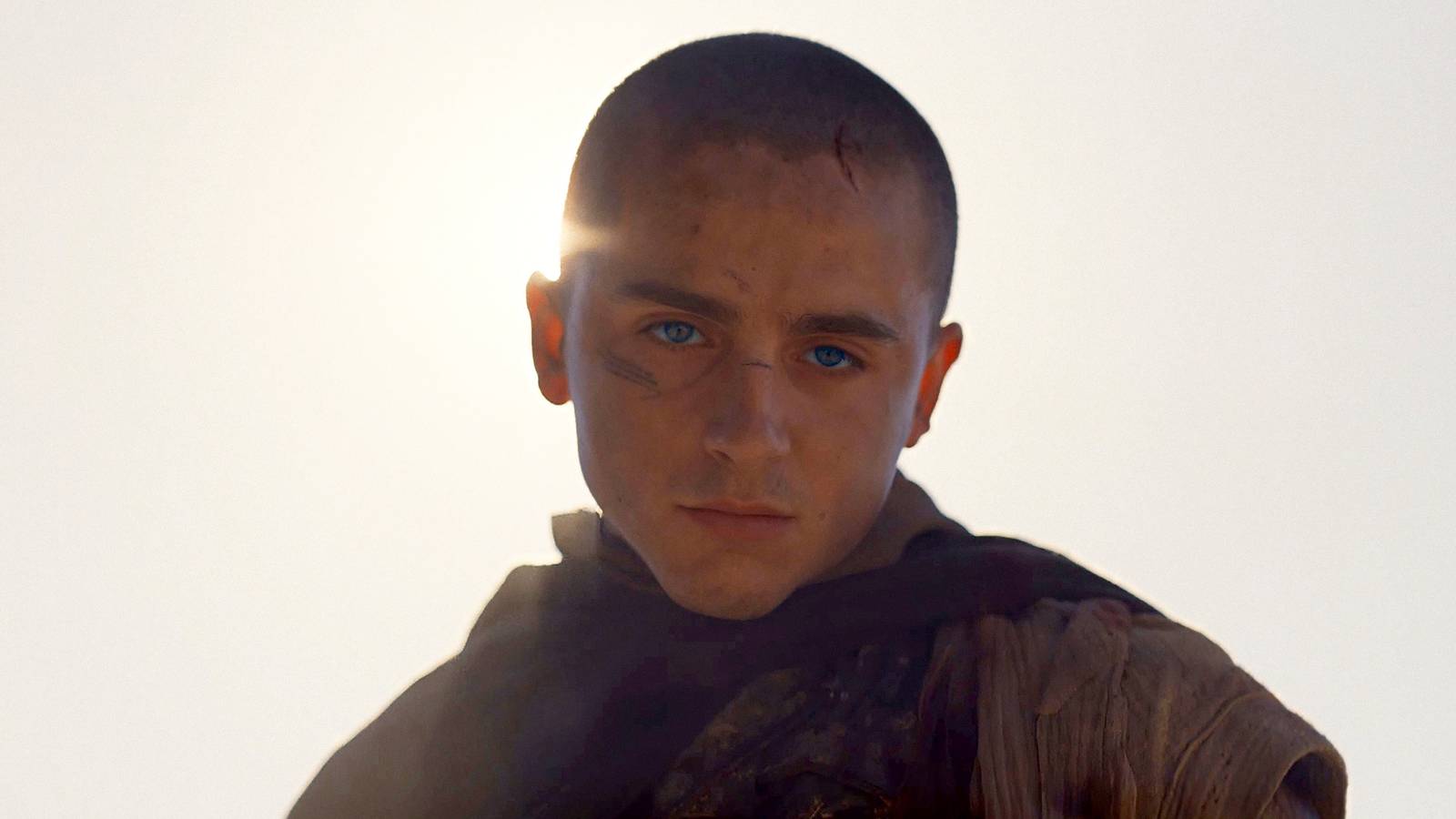
But Dune: Part Three isn't just another sequel—it's a bold reinvention. The film will go head-to-head with Avengers: Doomsday at the box office, and fans are already planning double features. The recently released trailer shows a noticeably older Paul Atreides (Chalamet) and a world scarred by war. "The idea was to try to make a movie that will have the same DNA—it's a Dune movie—but it's a very different movie," Villeneuve told Empire Magazine. "It has a different pacing."
The Time Jump and Its Consequences
The original Dune introduced us to a young Paul, who leaves his home planet when his father, Duke Leto, is assigned to oversee spice production on Arrakis. Betrayed and ambushed, Paul and his mother escape into the desert, where they find refuge with the Fremen. In Dune: Part Two, Paul embraces Fremen culture, rises as their prophesied leader, and unleashes a holy war in his name. Now, Part Three leaps forward in time, showing the aftermath of that devastating conflict.
"We are back with the same characters, but this time the world has totally changed," Villeneuve explained. "Their psyches, their perspective on reality has totally changed, and Paul is living with the burden of what he created, trying to find a way out of this spiral of violence." This shift promises a more introspective and morally complex narrative, as Paul grapples with the consequences of his actions.
Villeneuve's approach echoes the kind of bold narrative shifts seen in other adaptations, like the controversial changes in the Godfather films, where the source material is honored but not slavishly followed. For Dune, this means a story that feels both familiar and refreshingly new.
Fans of the franchise can also look forward to seeing how Anya Taylor-Joy's Alia, who was teased in the previous film, takes on a more prominent role. A recent image hinted at her ascension to the throne, adding another layer of intrigue to the already complex power dynamics. And with the film's release coinciding with Avengers: Doomsday, there's plenty of buzz about how these two blockbusters will coexist at the multiplex.
As the release date approaches, Villeneuve's comments have only heightened expectations. Dune: Part Three is shaping up to be not just a sequel, but a transformative experience that challenges both its characters and its audience. Stay tuned for more updates as we get closer to December.