For more than five decades, Saturday Night Live has been a comedy institution, delivering iconic sketches and unforgettable parodies. But as the show gears up for its 52nd season, a glaring issue looms: the cast is losing its diversity at an alarming rate. While the series has made strides in recent years to reflect modern America, a wave of departures threatens to undo that progress. It's a problem that demands immediate attention.
A Talent Exodus That Hurts Representation
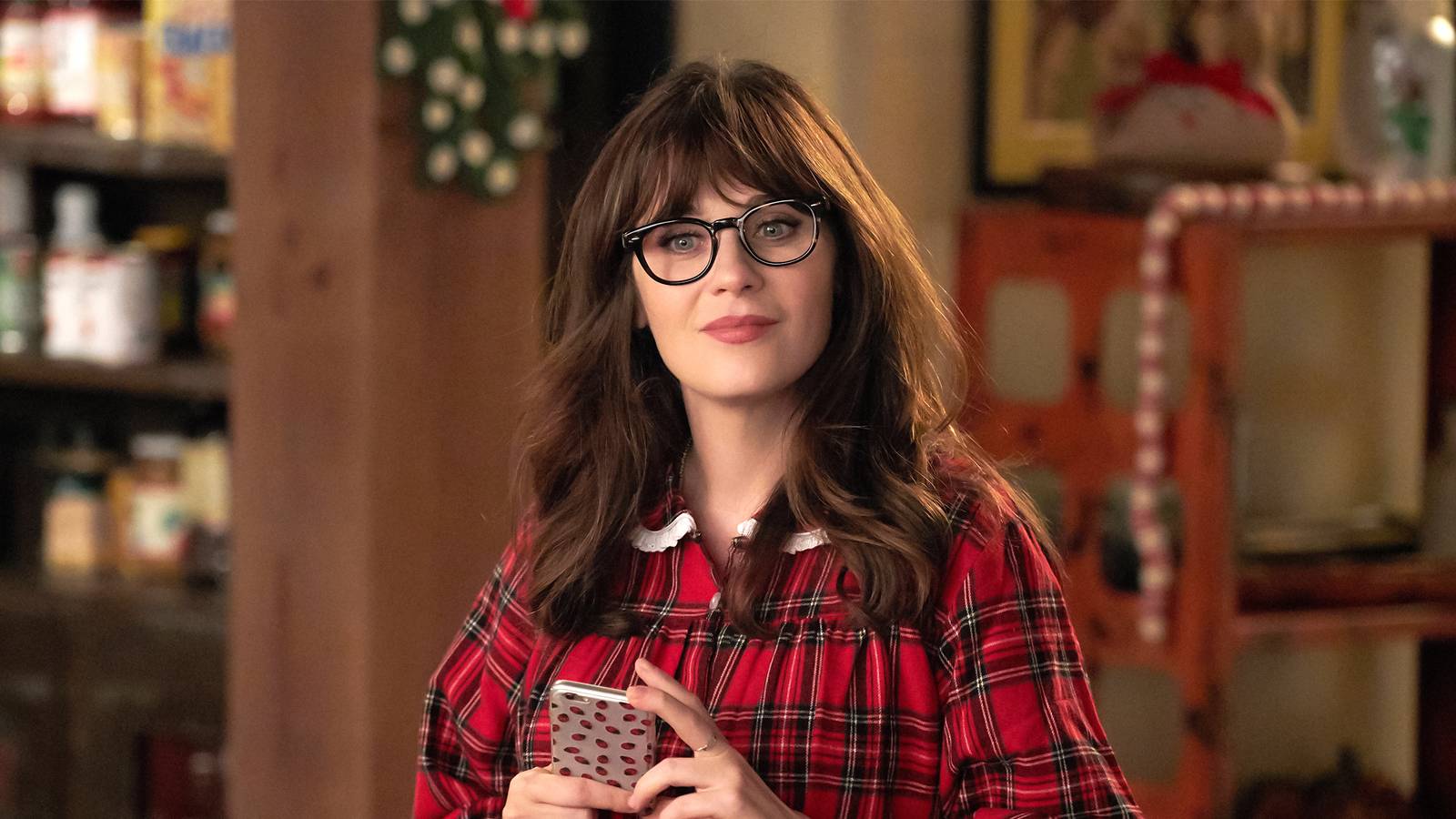
The latest exit came from Chloe Fineman, a fan favorite for seven seasons. In a heartfelt Instagram post on July 16, she announced her departure, calling her time on the show "the greatest privilege of my life." She joins a growing list of recent exits, including Bowen Yang, who left mid-Season 51 after seven seasons, Ego Nwodim, who departed in September 2025, and Heidi Gardner, who left in August 2025 after eight years. These departures aren't just a loss of talent—they represent a significant reduction in female and LGBTQ voices on the show. Bowen Yang was notably the first openly gay Asian-American cast member in SNL history.
A Long-Standing Issue
Diversity hasn't always been SNL's strong suit. According to the Los Angeles Times, the show has only featured eight Black female cast members in its entire history: Yvonne Hudson, Danitra Vance, Ellen Cleghorne, Maya Rudolph, Sasheer Zamata, Leslie Jones, Punkie Johnson, and Ego Nwodim. After Nwodim's exit, TV host Sherri Shepherd sounded the alarm, calling it a "break glass in case of emergency" situation. The lack of representation is not new, but it's becoming more pronounced.
Guest Hosts Can't Fix the Core Problem
In Season 51, SNL leaned on celebrity hosts like Bad Bunny, Teyana Taylor, and Colman Domingo to fill the diversity gap. While these appearances are welcome, they're a temporary band-aid. The ensemble itself is what shapes the show's identity—who gets recurring characters, who builds chemistry, and who becomes the next generation of stars. Without diverse regular cast members, the stories told and the perspectives shared become limited. It's a structural issue that guest stars can't solve.
SNL UK Shows What's Possible
The contrast with SNL UK is striking. The British spin-off, which premiered on March 22, 2026, and has already been renewed for a second season, boasts a cast that is far more representative. With members like Hammed Animashaun, Celeste Dring, and Emma Sidi, the show features a strong mix of women, people of color, and LGBTQ performers—without treating diversity as an afterthought. This only highlights how far the American version has to go.
Time to Act
While Lorne Michaels and the SNL team can't control every departure, the gap between seasons presents a golden opportunity. New cast members are added every year, and this is the moment to prioritize fresh, diverse voices. The show has a chance to rebuild with a cast that truly represents its audience. As streaming platforms struggle with similar issues, SNL must lead by example. The clock is ticking—Season 52 needs to be a turning point, not a regression.