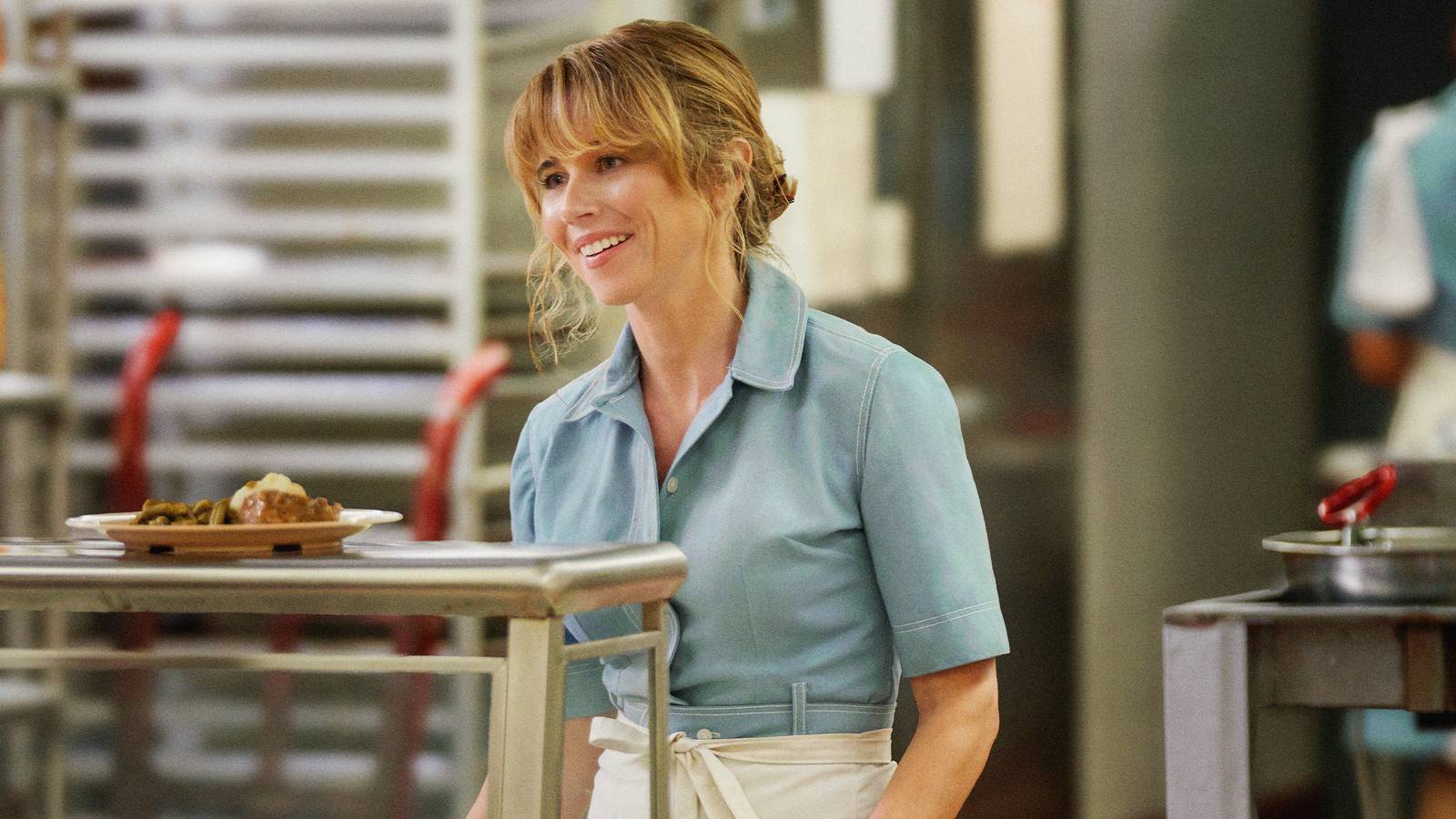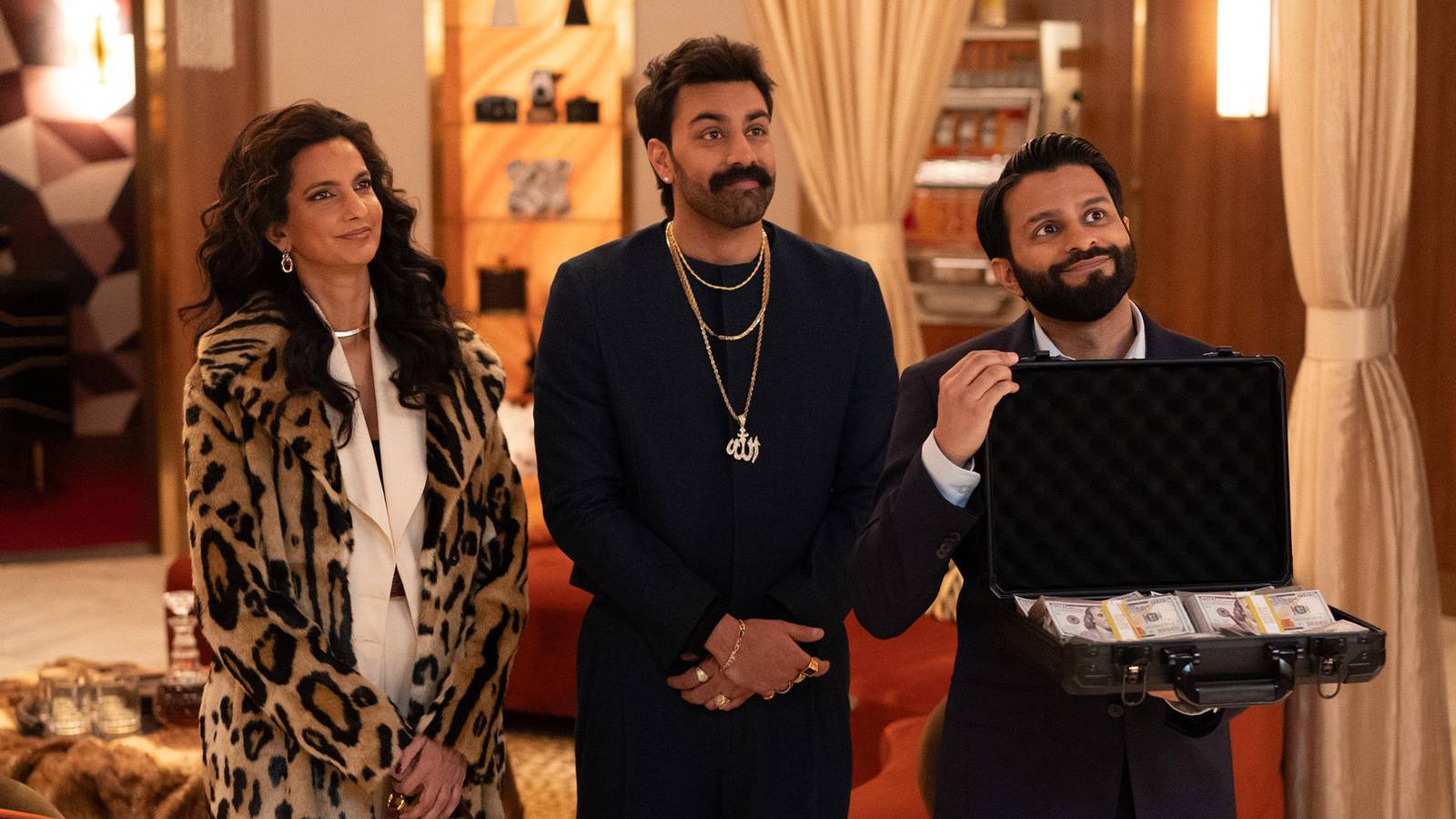
It's hard not to feel a pang of frustration over Hulu's decision to pull the plug on Deli Boys after just two seasons. The crime comedy was undeniably one of the funniest things on television, but it was also something rarer: a show that put Pakistani-American characters front and center and let them be gloriously messy. Asif Ali's Mir and Saagar Shaikh's Raj were spoiled, selfish, and utterly charming, while Poorna Jagannathan's Lucky Auntie could stab with one hand and shoot with the other. No one had to be a perfect role model or carry the weight of a community—they were just delightfully flawed humans.
Creator Abdullah Saeed understood that. After the cancellation news broke, he took to Instagram to thank "every brown and Muslim and Pakistani and immigrant person who saw themselves in my show," adding that he made it for them. He also offered a rallying cry: "To the next generation of browns, I hope I helped you see that you deserve the airwaves, no matter how hard you have to fight for your rightful place."
That "rightful place" is exactly why this cancellation stings so much. According to Deadline, ratings were the culprit, despite the show being a priority for Onyx Collective. And it wasn't for lack of marketing—the campaign was robust. The Third Place, the marketing agency behind it, reported 8.87 million organic views and 881,000 interactions from influencer partnerships. A Kolkata Chai Co. event drew 1,500 RSVPs and over 900 attendees. Branded food trucks hit six cities, serving 1,800 orders and racking up 200,000 social impressions. Yet none of that translated into enough actual viewers.
This is the crux of streaming's viewership clock problem. Platforms like Netflix have been open about judging shows based on their first seven and 28 days of viewership. Hulu doesn't publish its formula, but it's clear that early performance matters. For a show like Deli Boys, which had no built-in fandom or IP, that's a death sentence. It needed time for word of mouth to spread, for audiences to discover it organically. But streaming gives shows endless time to be watched while giving them almost no time to prove they're worth watching.
The show's second season even brought in big names—Fred Armisen, Kumail Nanjiani, Andrew Rannells, Lilly Singh, Robin Thede, and Tan France—in an effort to boost viewership. Press tours included daytime and late-night appearances. But it still wasn't enough. This isn't a problem unique to Deli Boys; shows with predominantly white casts get canceled all the time. But the loss here is more profound because of what the show represented.
South Asian actors are more visible than ever—Utkarsh Ambudkar leads Ghosts, Avantika stars in Not Suitable for Work, and Simone Ashley is in Bridgerton. But Deli Boys was different. Its creator was Pakistani-American, its leads were South Asian, and that representation extended behind the camera. Brown characters weren't just part of the world—they were the world. They prayed in grocery stores, sang qawwalis at parties, and never had to explain their culture to anyone. It was refreshing, and it's now gone.
As Saeed hinted, the show was initially passed over because another Muslim show was already in development. That's a pattern we've seen before—streamers often greenlight one "diverse" show and then treat it as a checkbox. When that show doesn't perform instantly, it's canceled, and the message is clear: there's no room for slow-burn success. This is a systemic issue that affects all shows, but it hits underrepresented stories hardest. As we've seen with Netflix's cancellation crisis, subscriber trust is eroding. And when a gem like Deli Boys disappears, there's no guarantee another one will take its place.
The entertainment industry loves to talk about diversity, but it rarely gives diverse shows the patience they need. Deli Boys wasn't just a comedy—it was a statement that Pakistani characters could be messy, funny, and unapologetically themselves. Its cancellation is a loss for everyone who believes in the power of representation. Maybe it's time for streamers to rethink their metrics and give shows like this the chance to find their audience. Otherwise, we'll keep losing the most unique voices in television.