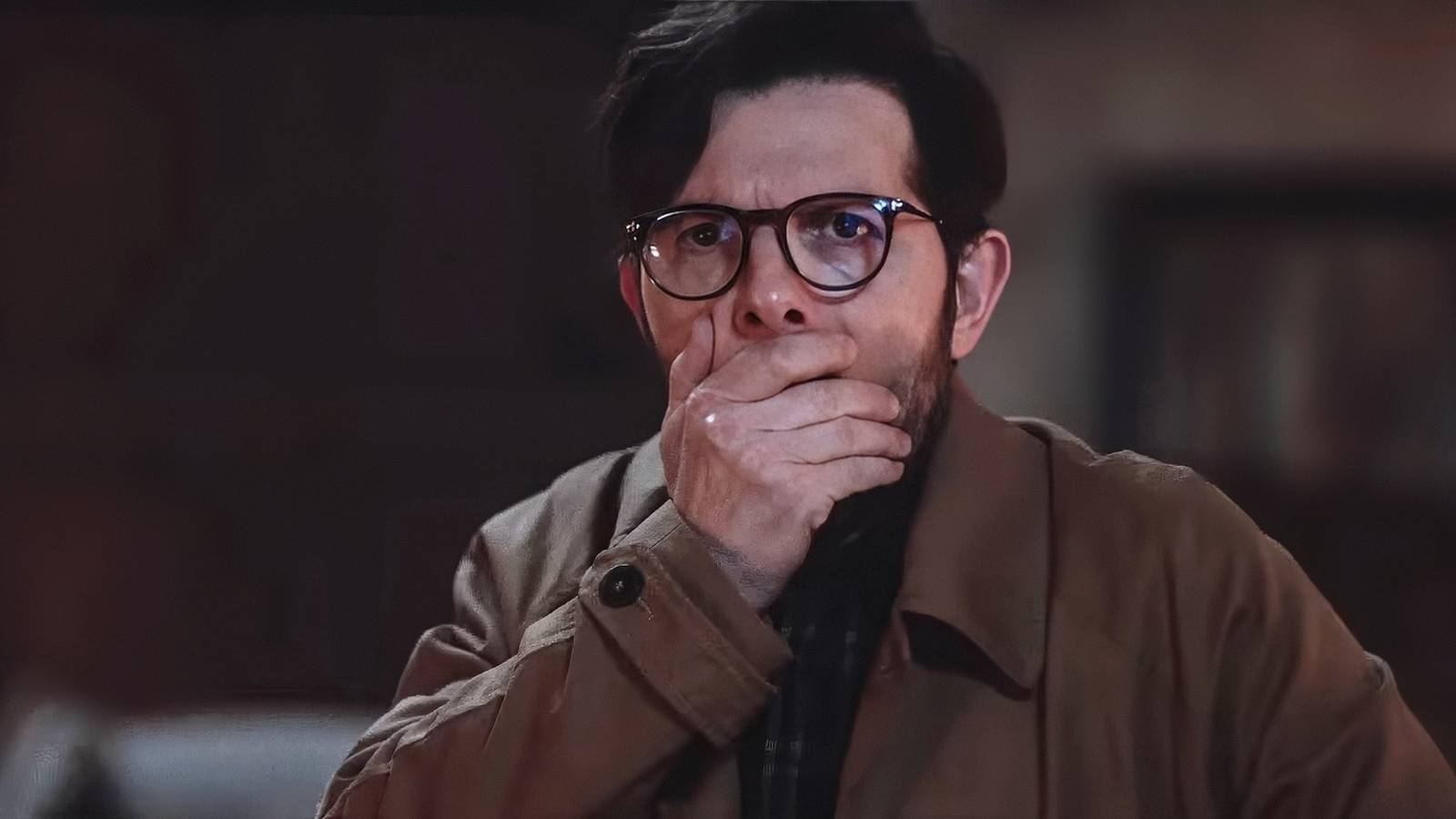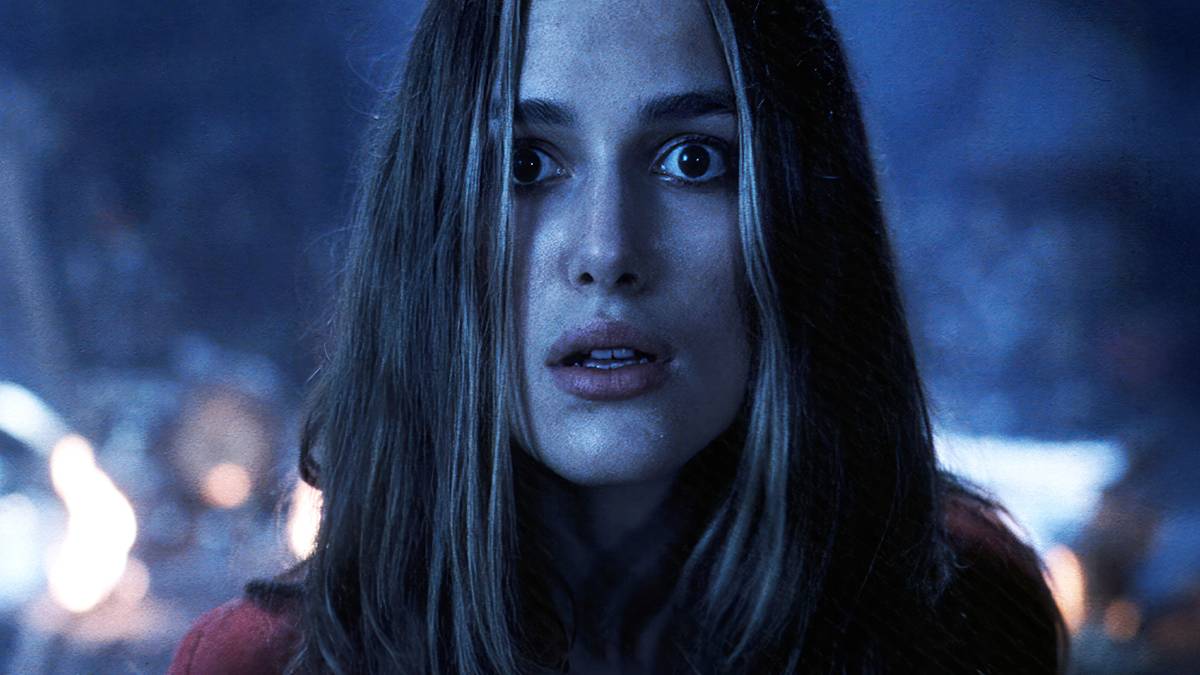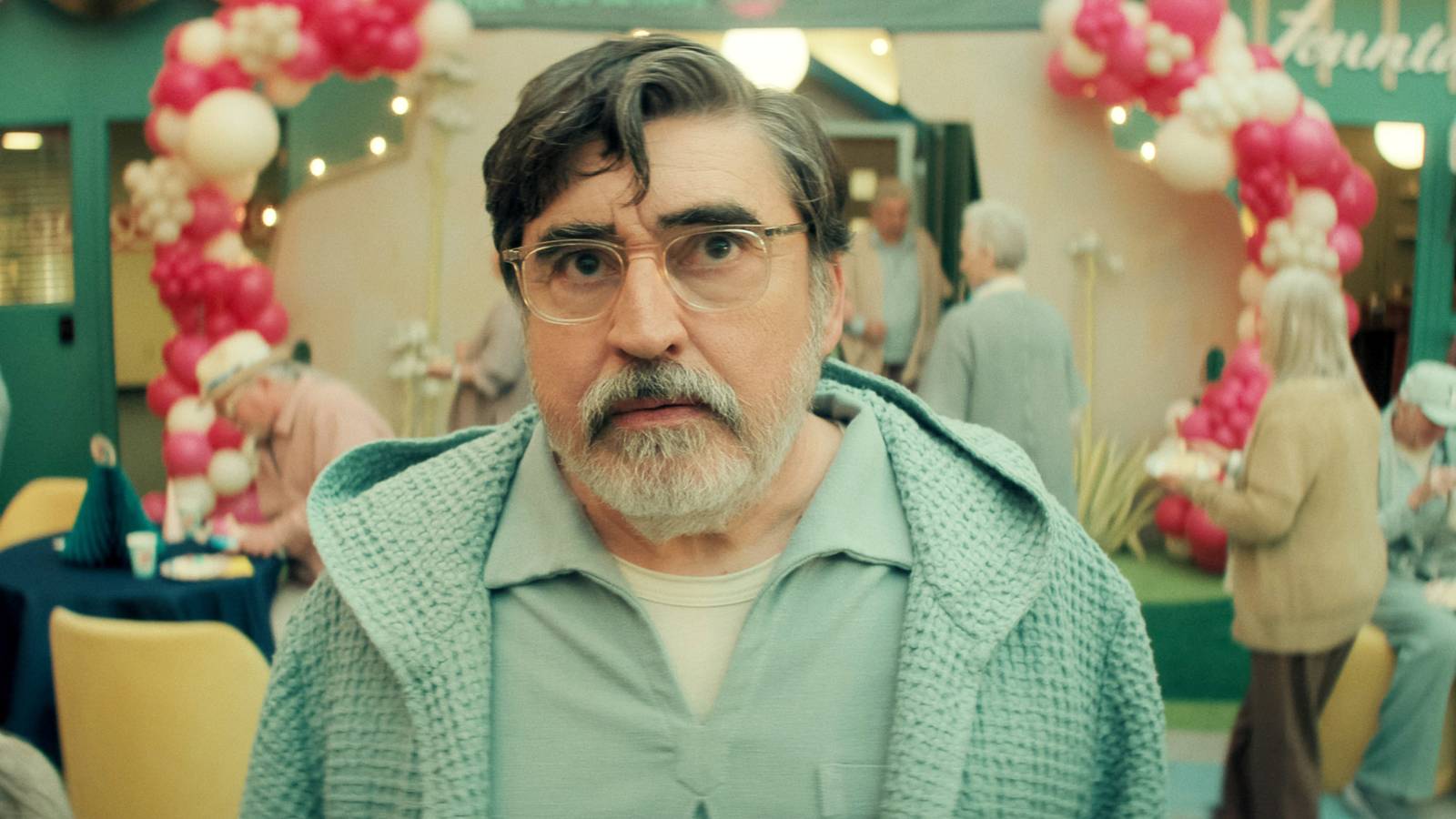
Netflix may still be the default streaming service for millions, but a troubling trend is emerging: subscribers are losing faith in its original programming. The platform's aggressive cancellation strategy and inconsistent release schedules are creating a crisis of confidence that could have long-term consequences for its dominance.
While Netflix produces more original content than any competitor, the sheer volume isn't translating into loyalty. Viewership for new seasons of returning shows like Avatar: The Last Airbender, The Four Seasons, Running Point, and Beef has dropped precipitously. This isn't just a second-season slump—it's a pattern that cuts across genres and release windows, suggesting a systemic issue.
The Cancellation Problem
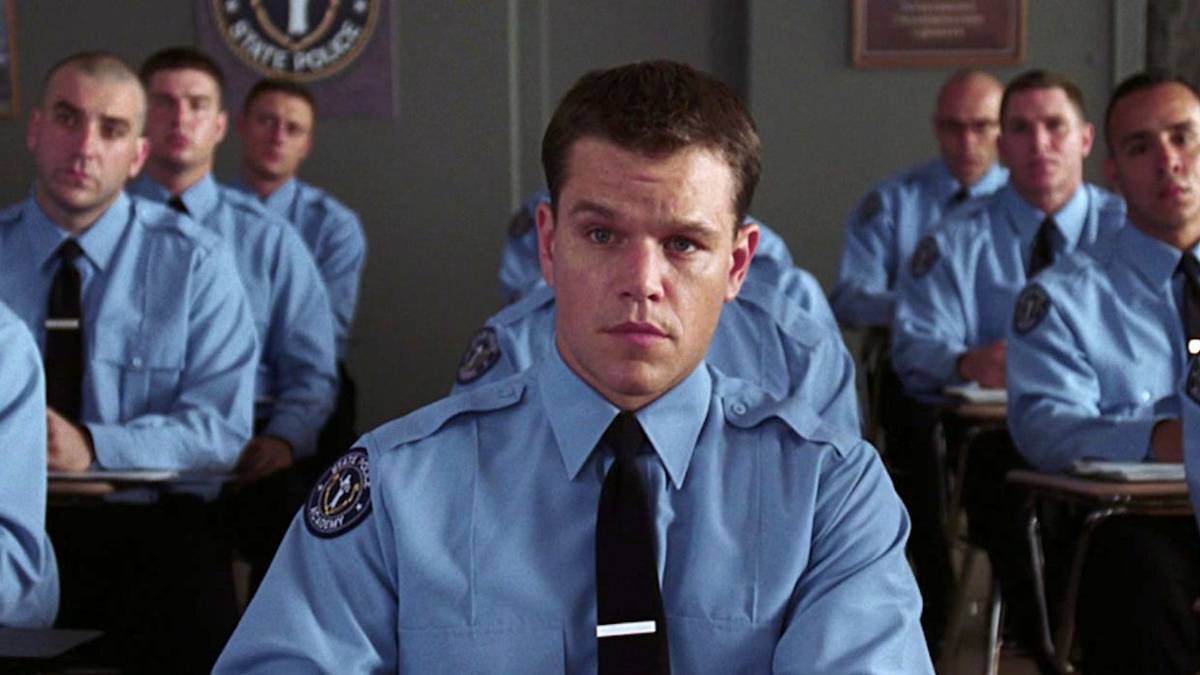
Netflix's habit of canceling shows after just one or two seasons has become a major turnoff for viewers. The recent cancellation of The Boroughs—a well-received, high-concept series that topped charts for weeks—is a prime example. Despite being a priority for the streamer and setting up a clear second season, it was axed for not meeting arbitrary viewership targets within a short window. This sends a chilling message: even successful shows aren't safe.
Other streamers handle gaps between seasons better. HBO's House of the Dragon retained viewers after a two-year hiatus, and Apple TV+'s Severance saw a massive viewership boost after a three-year break. Netflix, however, hasn't established a consistent threshold for renewal, leaving subscribers unsure which shows will survive. Smaller gems like Dead Boy Detectives, KAOS, That '90s Show, and The Abandons have all fallen victim to this unpredictability.
Viewership Drops Signal Deeper Issues
The binge-drop model is partly to blame. Audiences who miss a show's first weekend often aren't counted in Netflix's internal metrics, which heavily weight early viewership. This lack of promotion and tight success window means even critically acclaimed series can struggle. Beef Season 2, for example, earned Emmy nominations but failed to communicate that it had become an anthology, confusing viewers and dampening interest.
Netflix's reliance on hype-driven hits like Stranger Things and Wednesday isn't sustainable. While Stranger Things benefited from staggered releases, few other shows can replicate that model. The streamer needs to learn from competitors like HBO and Apple TV+, which greenlight second seasons for niche shows and even make multi-season orders for confident projects.
Rebuilding Trust
To regain subscriber confidence, Netflix must rethink its approach. Instead of canceling shows prematurely, it should give them time to find an audience through word-of-mouth. Comedy series, in particular, often take a couple of seasons to hit their stride. The streamer also needs to improve promotion and set clearer renewal criteria.
For now, Netflix remains the king of content volume, but its inability to create sustained hits is a growing liability. If it doesn't address this crisis, subscribers may start looking elsewhere for shows they can count on to stick around.
For more on Netflix's streaming landscape, check out our picks for Best Netflix Movies to Watch on July 13, 2026 and the latest on Netflix's 'Little House on the Prairie' Remake.