The adventure genre has gifted us with some of the most thrilling, groundbreaking, and unforgettable stories in literary history. These tales are packed with high stakes, daring exploration, and the allure of unknown worlds. While modern adventure novels continue to push boundaries, the classics—published before the 21st century—often deliver the most compelling escapades literature has to offer.
Whether it's a more recent classic like Master and Commander or a centuries-old revolutionary work like Don Quixote, these masterpieces prove why adventure remains one of the most beloved genres. Here are the classic adventure books you absolutely must read in 2026.

King Solomon's Mines (1885)
H. Rider Haggard's King Solomon's Mines is a pioneering work that helped define the "lost world" subgenre, influencing later classics like Arthur Conan Doyle's The Lost World and Edgar Rice Burroughs' The Land That Time Forgot. Set in Africa, this Victorian-era novel is surprisingly fast-paced, with a gripping quest narrative and thrilling action sequences that still hold up today. While its imperialist themes may feel dated, readers who appreciate it as a product of its time will find an irresistible adventure.
Around the World in Eighty Days (1872)
Jules Verne's Around the World in Eighty Days remains one of the most entertaining adventure novels of the 19th century. The story's serialization in 1872 captivated readers, inspiring real-life attempts to replicate the feat, most notably by journalist Nellie Bly. Perfectly paced and brimming with Victorian-era fascination for global exploration, this book is arguably Verne's greatest adventure. Even if you've seen film adaptations, the original novel offers a fresh and rewarding experience.
The Four Feathers (1902)
A. E. W. Mason's The Four Feathers bridges the gap between 19th-century swashbuckling and a more introspective take on adventure. This psychological drama deconstructs courage, the toll of war, and British imperialist ideals, offering a surprisingly modern thematic study. It's a gripping, timeless work that's essential for understanding the genre's evolution.
Robinson Crusoe (1719)
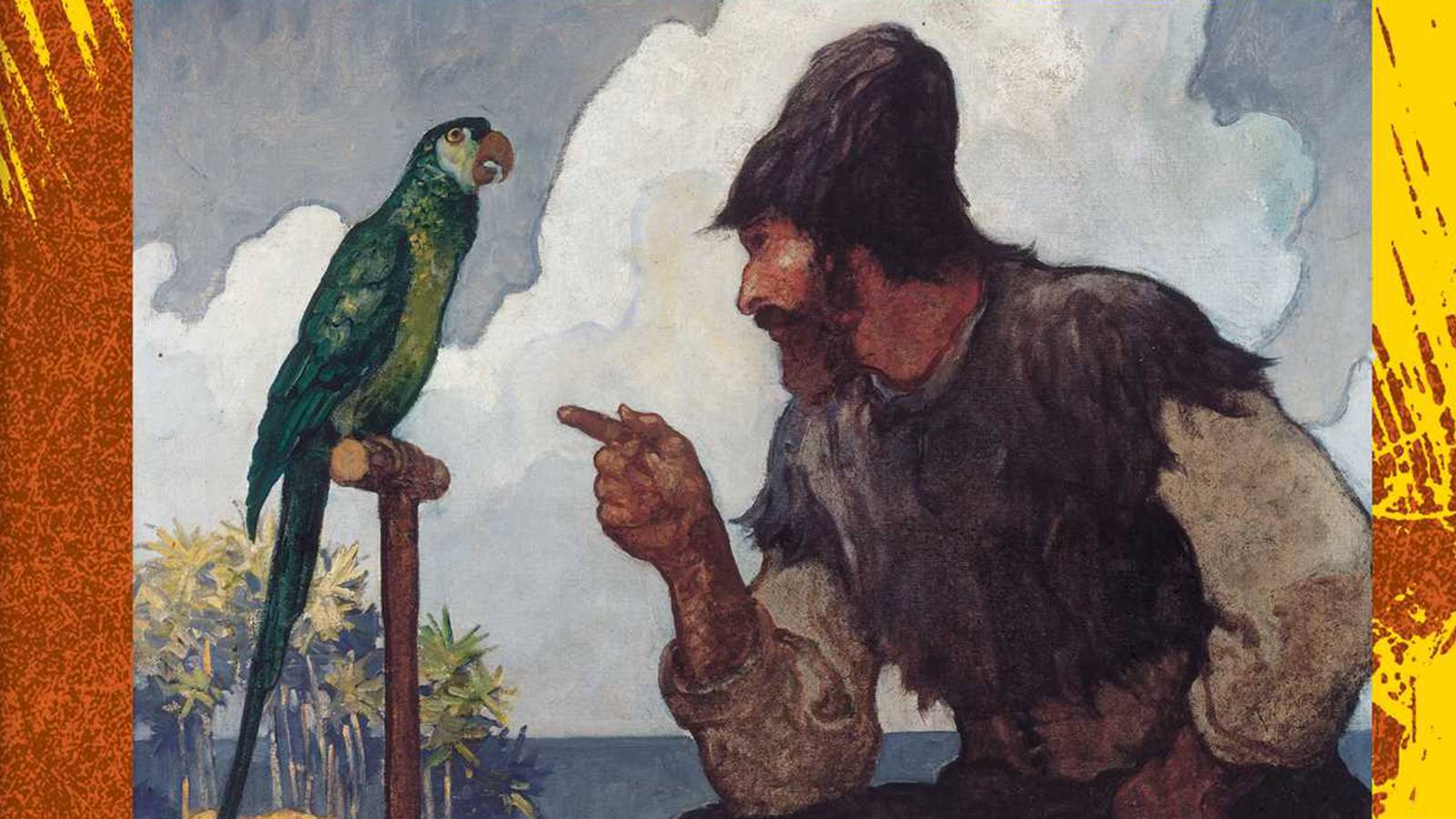
Daniel Defoe's Robinson Crusoe is often credited as the first true English adventure novel and a cornerstone of realistic fiction. More than 300 years later, it remains immensely entertaining and relatable as a survival story. While its colonialist lens is unmistakable, reading it as a product of its time reveals an utterly irresistible tale that has influenced countless adventure books that followed.
Master and Commander (1969)
Patrick O'Brian's Master and Commander launched the acclaimed Aubrey-Maturin series and is widely regarded as one of the greatest nautical historical novels ever written. Though initially unsuccessful in the U.S., it gained a devoted following in Europe. The book is rich with period-accurate language and vivid naval battles, making it a must-read for fans of authentic adventure. For those who love epic war stories, this is a perfect companion to the film adaptation Master and Commander: The Far Side of the World.
Treasure Island (1883)
Robert Louis Stevenson's Treasure Island needs no introduction—it essentially created modern pirate mythology, from treasure maps to desert islands and parrots on shoulders. This classic remains a cornerstone of adventure literature, and its influence can be seen in countless books, movies, and even adventure fantasy films. If you're looking for a foundational read, this is it.
These classic adventure books are not just historical artifacts; they are living stories that continue to inspire and entertain. Whether you're a longtime fan or new to the genre, adding these to your 2026 reading list will guarantee hours of thrilling escapism. For more must-reads, check out our list of book trilogies where every novel is a masterpiece or explore essential classic horror novels for a different kind of thrill.