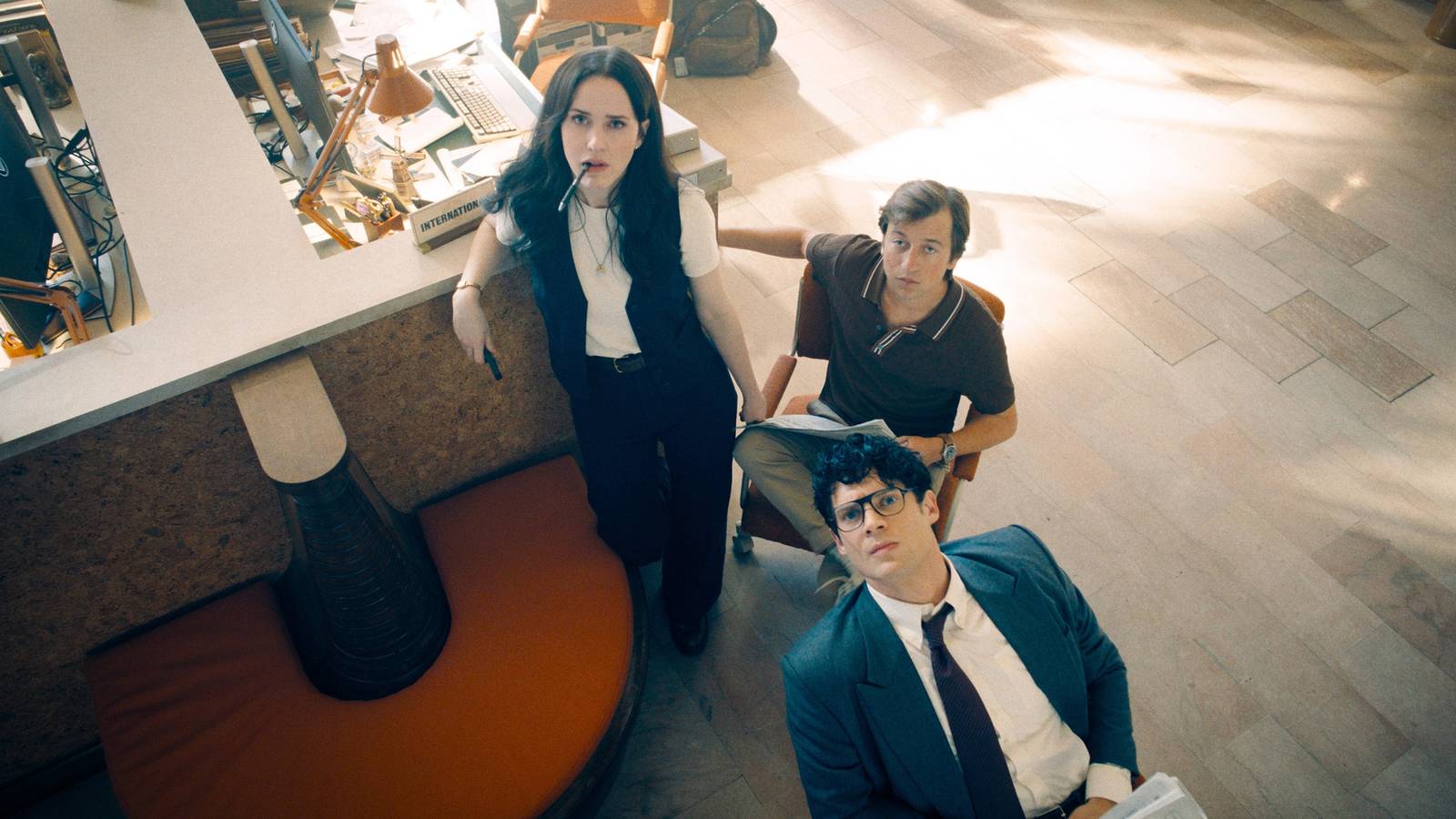
DC's upcoming series The People v. Gorilla Grodd is shaping up to be a game-changer, not just for its comedic take on the DC Universe but for how it handles the genre's most persistent flaw: the lack of legal accountability for supervillains. The show, which brings back fan-favorite characters like Jimmy Olsen (Skyler Gisondo), Cat Grant (Mikaela Hoover), and the telepathic gorilla himself (voiced by Jimmy Tatro), marks the first true DCU comedy since the short-lived Powerless in 2017. But beneath the humor lies a serious opportunity to address a gap that has plagued superhero stories for decades.
In most superhero films and series, the climax is a spectacular showdown where the hero defeats the villain in a massive battle. The villain either dies, like Obadiah Stane in Iron Man, or gets locked away in a place like Arkham Asylum or the Raft. What's rarely shown is the legal process—the trials, the evidence, the defense. Supervillains are often treated as beyond the law, their fates decided by the heroes who capture them. The People v. Gorilla Grodd flips that script by putting Grodd on trial for the murder of his father, the king of Gorilla City. It's a premise that forces the series to explore how the justice system would handle a super-intelligent, psychic gorilla.
This focus on due process is a fresh angle that could set a new standard for the genre. How does a defense attorney argue for a supervillain? Can a courtroom be a battlefield in its own right? And what about the heroes who bring them in—are they held accountable for their methods? These are questions that have rarely been asked, let alone answered, in superhero media. By diving into the legal side, The People v. Gorilla Grodd could offer a more nuanced look at villainy, allowing for sympathy for those who show remorse and deeper condemnation for those who don't.
The show's comedic tone is a smart choice, as the image of a talking gorilla in a courtroom is inherently funny. But the humor doesn't undermine the potential for meaningful storytelling. It's a balance that could make the series both entertaining and thought-provoking. And it's a direction that other DC projects might want to take note of, especially given the recent missteps in Man of Tomorrow.
In Superman, Lex Luthor (Nicholas Hoult) was sent to Belle Reve after his schemes, but a deal with A.R.G.U.S. and Rick Flag Sr. (Frank Grillo) in Peacemaker Season 2 earned him a transfer to a cushy federal facility. Now, in the upcoming Man of Tomorrow, he's apparently free to team up with Superman to fight Brainiac. This undermines any sense of accountability, making Luthor's punishment feel like a slap on the wrist. The People v. Gorilla Grodd could show how to do it right, by making the legal process meaningful and consequential.
This isn't just about one show; it's about the genre as a whole. Superhero stories have long struggled with the question of what happens after the hero wins. The People v. Gorilla Grodd offers a potential answer, and it's one that could influence other projects. As the DCU continues to expand, with Henry Cavill hinting at a Superman comeback, the need for fresh takes on villainy is more pressing than ever. And with Marvel's post-credit scenes becoming a problem, DC has a chance to lead the way in innovative storytelling.
Ultimately, The People v. Gorilla Grodd is more than just a comedy about a talking ape on trial. It's a chance to explore the moral complexities of justice in a world of superpowers. If it succeeds, it could pave the way for more genre fare that takes accountability seriously. And that's something worth celebrating, even if it comes with a few laughs along the way.