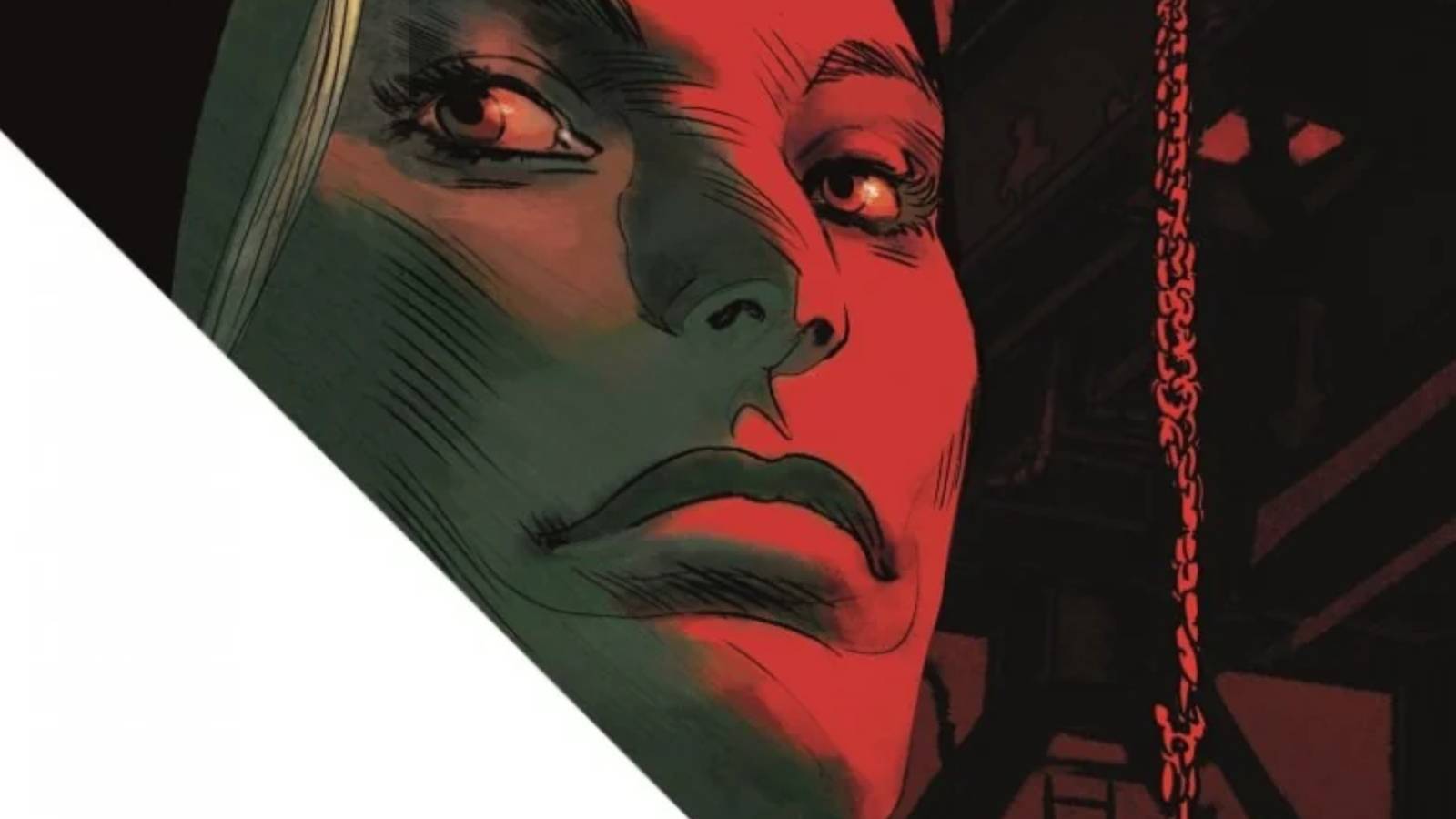
Some thriller writers seem terrified you'll put their book down, so they throw everything at you: a murder on page one and an abduction on page three, all while a massive conspiracy begins to unravel. And that's all before introducing who's involved. Eventful, sure, but there's something almost desperate about all that hoopla. It's as if the writer's afraid one quiet page will send readers straight back to their phones.
The best thriller writers have a little more faith in their stories. They're in no great hurry to show their hand, allowing the reader to become acquainted with a character worth following. Of course, there's nothing wrong with opening on a murder or throwing somebody into immediate danger, but the excitement alone can only take a story so far. What matters is that the writer gives us time to find our footing, to become familiar with the world we're entering and curious about what lies beyond it. By the end of that first chapter, we might have little idea where the story is headed, but we're more than happy to go along for the ride.
Strange Sally Diamond (2023)
A woman burning her father's corpse in the garden is a shocking way to start a novel, but Liz Nugent somehow makes it relatable in the opening pages of Strange Sally Diamond. Sally's father constantly joked that she should put him out with the trash when he died, so she does. Yet the way she recounts it, with the practicality of someone listing yet another household chore, you understand it. It's an absurd explanation, but Nugent delivers it so matter-of-factly that you begin to appreciate Sally's reasoning.
That's what makes Nugent's introduction so effective: everyone else sees a 42-year-old woman who's done something appalling. The police have questions and turn Sally into a suspect. The neighbors are horrified and turn Sally into a monster. Sally is confused by all the hubbub. The reader is at an advantage here, having spent some time in Sally's mind and following her peculiar train of thought, understanding her in a way nobody else does. The twists and the shock that follow only deepen that early compassion for a character that, on the surface, could be easily written off as psychotic.
Killing Floor (1997)
When you've got revolvers and shotguns pointed at your head, it usually spells endgame. Lee Child flips that script when introducing Jack Reacher in the opening of Killing Floor. Reacher is simply eating breakfast as four police officers descend on a Georgia diner. But he doesn't fly off into action, doesn't protest or attempt to escape: he quietly finishes his eggs and tucks five dollars under his plate. Reacher, in fact, is so composed that the police, all that firepower be damned, begin to look like the nervous ones.
It's a clever way to introduce a man who'll eventually become one of fiction's most formidable tough guys. Child could have staged some spectacular show of force, but instead he lets Reacher's observations do the work: he sizes up the officers and considers their tactics. And just when we're getting comfortable with the idea that Reacher is an innocent man caught in an unfortunate situation, Child drops a revelation: he hasn't killed anybody in this town. He hasn't killed anyone in some time now. It's the exclamation point to the chapter, a way of announcing the police may have arrested the wrong man, but he's not a harmless one.
A Trap for Cinderella (1962)
Sébastien Japrisot begins A Trap for Cinderella in just about the most non-thriller way possible: lulling the reader into a fairy tale. Mi and Do grew up together. The former is the ideal of the pair: beautiful and wealthy, the symbol of adoration for everyone around her. The latter is intelligent but poor, always getting the short end of the stick. But then Japrisot reveals that Do has invented this little fairy tale herself. She resents Mi, so she's conveniently cast herself as Cinderella. It's presented in such a way that we've no idea how much of what we've read is true.
That quiet beginning is a trap in itself as the novel takes a dark turn, with a fire at a villa on the French Riviera. The blaze leaves one woman dead and another so badly burned that she loses her memory. The survivor doesn't know whether she's Mi or Do, and the fire may have been deliberate, meaning she could be either the victim of an attempted murder or the person who planned it. Japrisot has already shown how easily a story can be twisted by the person telling it, and then allows his protagonist to reconstruct her entire life from what other people tell her.
Fatale (1977)
Jean-Patrick Manchette's opening to Fatale is a bit of a red herring. Almost the entire first chapter follows a man named Roucart on a hunting trip. We become overly familiar with his protruding belly and his deep regret at giving up smoking. It's the sort of attention you'd expect a writer to give someone we'll be following for the next few hundred pages. So when an attractive young woman appears in the woods, we assume she's wandered into Roucart's story. But she takes a shotgun off her shoulder and shoots him dead.
Ultimately, it's clever the way Manchette makes us almost as susceptible to this woman as Roucart. He was so enthralled by her appearance that he didn't for a second recognize the danger. We, too, dismiss the danger, sliding past the fact that she just committed a cold-blooded murder because we're so intrigued by her composure, so curious about who she is. She arrives in a provincial town where the wealthy residents have plenty of dirty little secrets: they're a vain, greedy, thoroughly unpleasant lot, and watching her exploit their weaknesses becomes something of a pleasure. Before long, we're almost rooting for a woman we know is capable of murder.
Bullet Train (2010)
Many a thriller makes revenge look easy, the only logical next step in the grieving process. But Kotaro Isaka's Bullet Train takes a different approach, opening with a hitman who's more concerned about his own anxieties than the job at hand. The protagonist, codenamed Ladybug, is a perpetually unlucky assassin who just wants to complete a simple snatch-and-grab on a Tokyo bullet train. But from the moment he boards, everything goes wrong, and the opening chapter sets the tone for a darkly comic, twist-filled ride.
Isaka's genius is in making us care about a character who's essentially a professional killer, not by making him heroic, but by making him relatable in his neuroses. The chapter ends with Ladybug realizing he's not alone on the train, and that the other passengers are not what they seem. It's a masterclass in building tension through character, not just plot, and it's why Bullet Train has become a favorite among thriller fans. If you're looking for more gripping reads, check out these critically acclaimed books or a mental vacation.