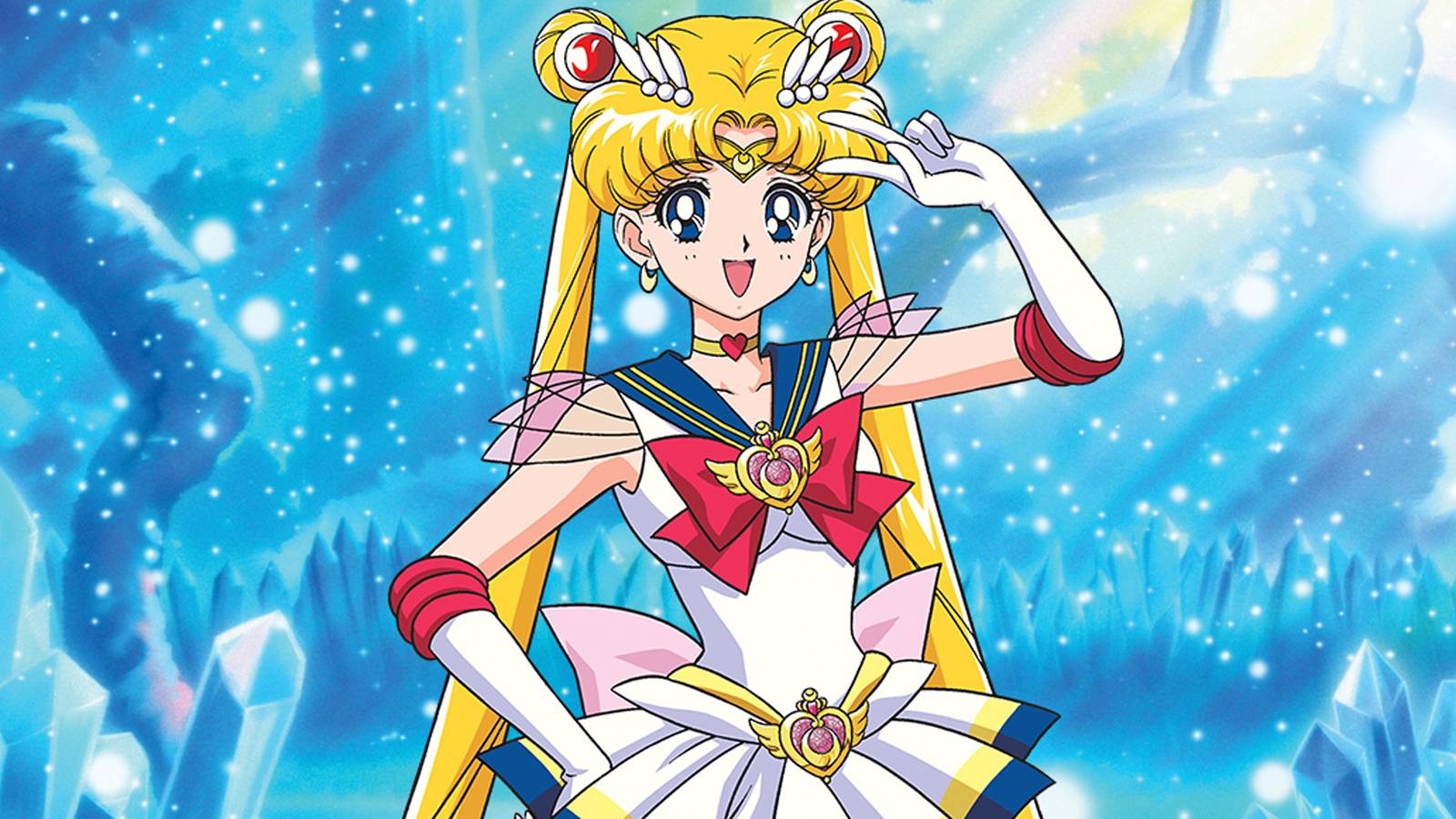
If you grew up watching Sailor Moon on American TV in the '90s, you might be surprised to learn that the show you loved was a heavily edited version of the original Japanese series. Naoko Takeuchi's groundbreaking anime blended magical girl tropes with tokusatsu action, creating a cultural phenomenon that inspired everything from Pixar's Turning Red to a 24/7 Pluto TV channel. But the English dub, handled by DIC Entertainment, went far beyond simple translation—it systematically censored content to fit conservative American norms.
Death? What Death? The Negaverse Solution
One of the most absurd changes involved the removal of death scenes. Instead of villains being killed, they were "sent to the Negaverse." This made little sense, since the Sailor Scouts' attacks—like Sailor Mars' flaming arrows or Sailor Jupiter's lightning dragon—were clearly destructive. Even more illogical: the Negaverse was Queen Beryl's home base, so sending enemies there would only strengthen them. The censorship effectively neutered the stakes of the original story.
LGBTQ+ Erasure: Cousins and Gender Swaps
The most controversial edits targeted LGBTQ+ representation. In the original, Sailor Uranus (Haruka) and Sailor Neptune (Michiru) were a romantic couple. The American dub turned them into cousins. Similarly, the male villains Zoisite and Kunzite were lovers in the Japanese version, but Zoisite was recast as a woman in the dub, with a female voice actor. These changes sparked a debate that continues today: some fans defend the dub as their childhood introduction, while others condemn it for erasing vital representation at a time when many young viewers needed it.
This pattern of sanitization extended to the final season, which never aired in the U.S. because Sailor Venus had fantasies about her favorite boy band, the Three Lights, as men. Takeuchi's manga had always explored LGBTQ+ themes, but American censors scrambled to align the show with Western binary norms.
Beyond the Scouts: How DIC Reshaped the Series
DIC Entertainment, known for shows like The Real Ghostbusters and Street Sharks, also added a segment called "Sailor Says" where the Scouts imparted moral lessons—a tactic they'd used on Adventures of Sonic the Hedgehog. The titular heroine's name changed from Usagi Tsukino to Serena, and the iconic Japanese theme was replaced with an English version. These changes, while sometimes catchy, diluted the series' core themes of friendship, sacrifice, and identity.
For years, the DIC dub was the only way American fans could experience Sailor Moon. That changed in 2014 with VIZ Media's Sailor Moon Crystal, a faithful adaptation that restored the original relationships, deaths, and LGBTQ+ elements. The redub of the original series also corrected many of these edits, allowing a new generation to see the show as Takeuchi intended.
If you're curious about how other American adaptations have handled sensitive content, check out our ranking of the most disturbing books ever written or explore the best American war shows. For more Sailor Moon news, don't miss the upcoming theater screenings of live stage recordings.