Agatha Christie remains the undisputed queen of the whodunit, but her 1939 novel And Then There Were None stands apart as her darkest and most ingenious work. It's the best-selling mystery of all time, and for good reason: it strips away the comforting presence of a detective and traps ten strangers on an island where justice—or vengeance—comes for them one by one. The BBC's 2015 miniseries, written by Sarah Phelps and directed by Craig Viveiros, is the rare adaptation that doesn't flinch from the book's nihilistic core.
From the opening scene, the show establishes an atmosphere of dread. Ten guests arrive at a remote island mansion, each carrying secrets they'd rather keep buried. Their mysterious host, U.N. Owen, never appears, but a gramophone recording accuses each of them of murder. Soon, the guests begin dying in ways that mirror a nursery rhyme. Christie essentially invented the slasher template here—isolated setting, hidden killer, victims picked off one by one—and the miniseries honors that legacy with relentless tension.
A Faithful Yet Fresh Take on a Classic
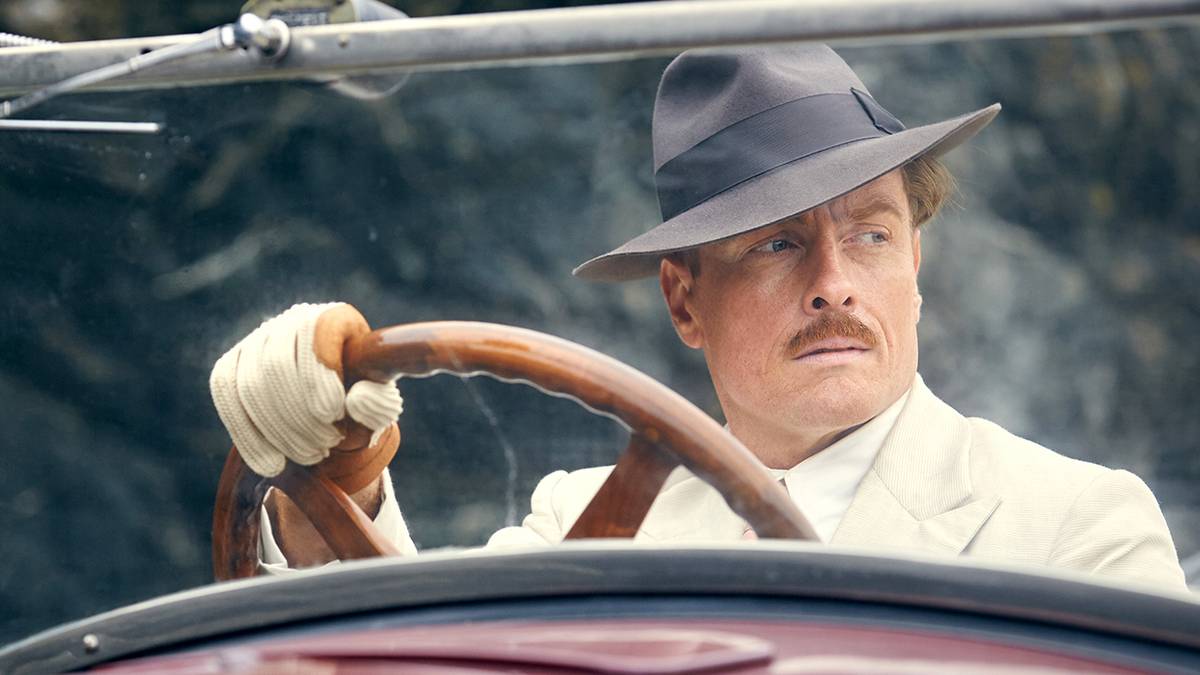
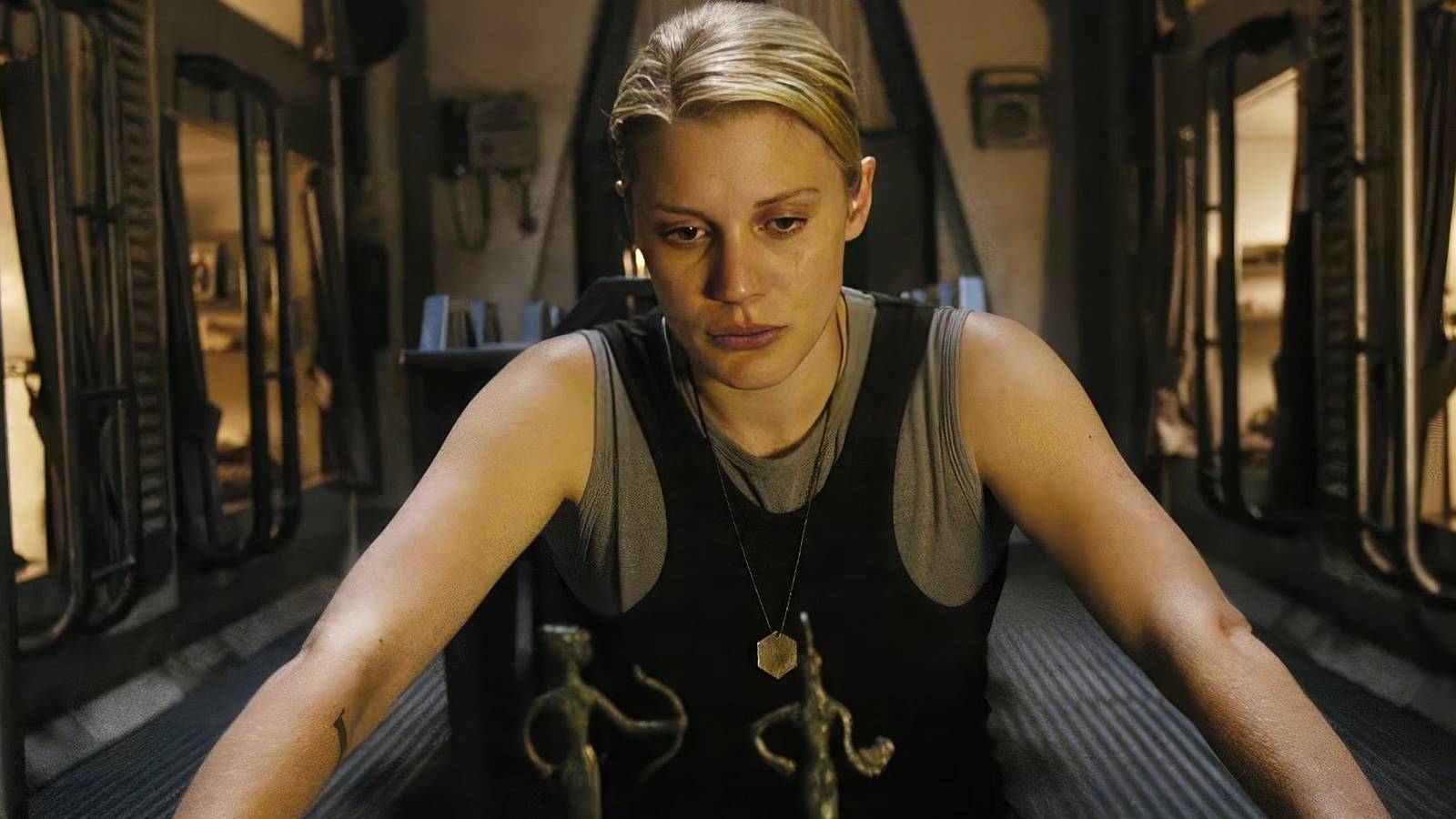
What makes this adaptation so effective is its refusal to soften the novel's bleakness. Earlier film versions often altered the ending or downplayed the despair, but Phelps embraces Christie's scathing commentary on class, hypocrisy, and moral rot. The characters are not likable; they're a gallery of the privileged and the corrupt: a judge (Charles Dance) who dispenses death sentences without mercy, a doctor (Toby Stephens) who operated while drunk, a schoolteacher (Maeve Dermody) who let a child drown, a police officer (Burn Gorman) guilty of a hate crime, a general (Sam Neill) who betrayed a rival, a mercenary (Aidan Turner) who killed for money, a socialite (Douglas Booth) indifferent to suffering, and a religious zealot (Miranda Richardson) hiding prejudice behind piety.
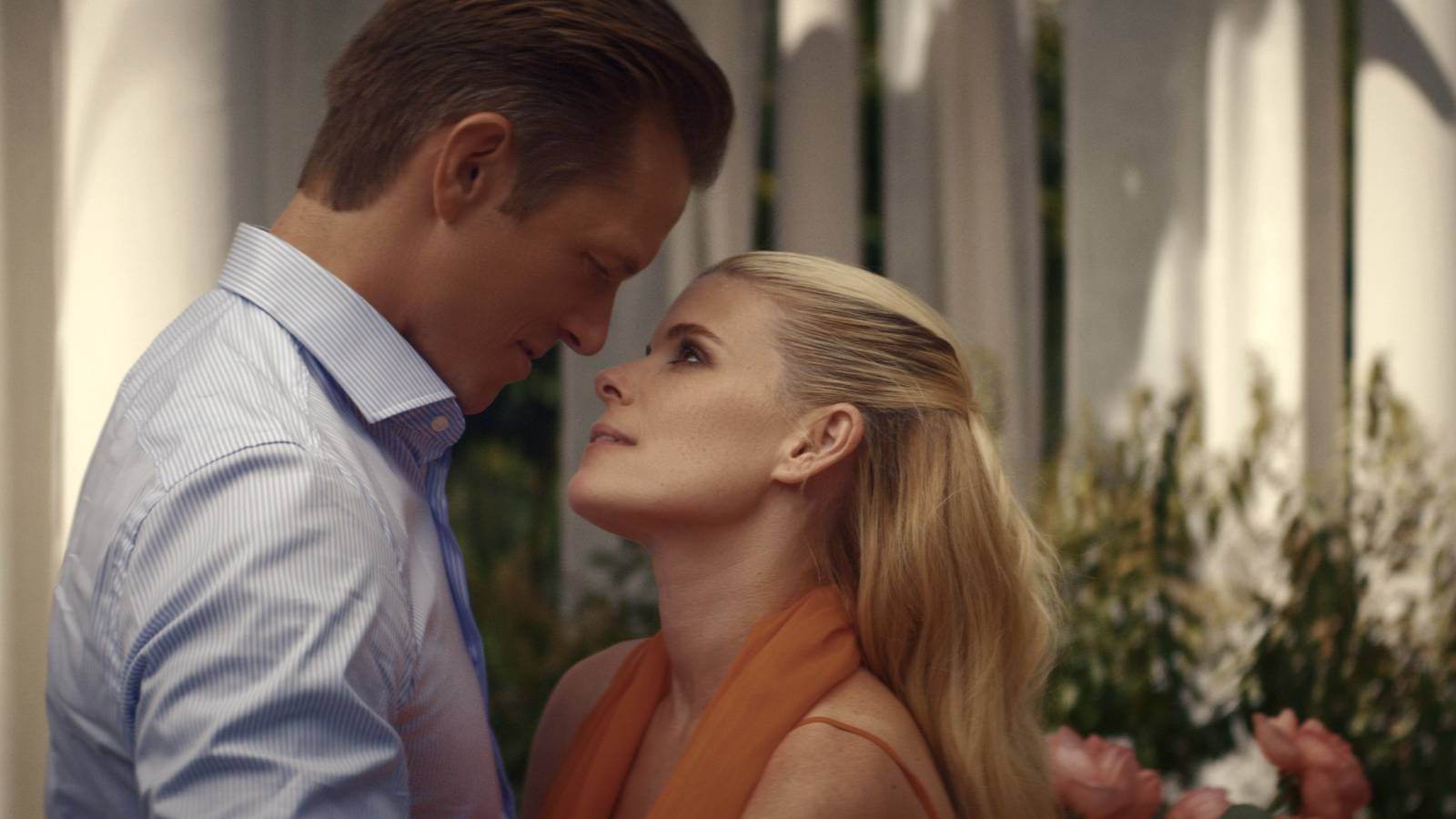
Phelps amplifies Christie's subtext by adding visceral horror motifs—crashing waves, thunderclaps, candlelit corridors—that make the island feel like a prison. She also deepens the psychological torment, showing how each character's guilt festers until they turn on each other. Even when she deviates from the book, her changes serve the story's themes. A brief moment of intimacy between two characters underscores their decadence, while the heightened violence makes the moral stakes unmistakable.
Why This Adaptation Endures
The miniseries doesn't offer easy answers. Is the vigilante killer justified? Does their rampage accomplish anything beyond satisfying a thirst for blood? Christie left those questions open, and Phelps respects that ambiguity. The result is a murder mystery that feels both timeless and urgent, a reminder that justice is often messy and that no one escapes their past. For fans of forgotten mystery shows that are perfect from start to finish, this is a must-watch.
With an all-star cast and a script that honors Christie's intelligence, the 2015 And Then There Were None is the definitive screen version of a masterpiece. It's a chilling, thought-provoking experience that proves the Queen of Crime's darkest story still has the power to unsettle us.