In the world of speculative fiction, the Hugo and Nebula Awards are the ultimate stamps of approval. The Hugo has been around since 1953, the Nebula since 1966, and while many sci-fi novels have snagged both, only a handful of fantasy books have achieved this rare double. These four titles are not just award winners—they're genre-defining works that blend imagination, emotion, and unforgettable storytelling.
4. 'Among Others' by Jo Walton (2012)
"I read, and therefore I was not alone." This line captures the heart of Jo Walton's novel, presented as the diary of teenager Mori Phelps. After her twin sister dies, Mori is sent to live with distant relatives while trying to escape her manipulative, possibly magical mother. At a lonely boarding school, she finds solace in science fiction and fantasy books, all while questioning whether fairies and magic are real—or just a product of her grief.
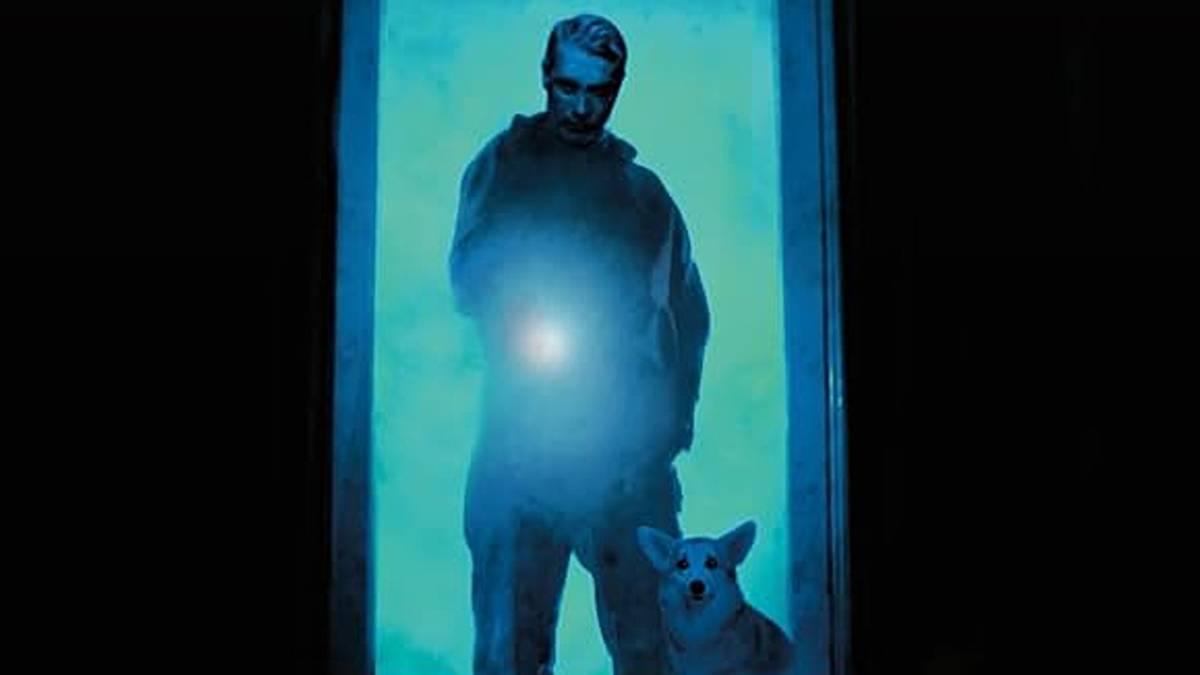
Walton masterfully blurs the line between fantasy and psychological realism. Among Others is a thoughtful, intelligent coming-of-age story that tackles loss, illness, and even evil, but it's also a love letter to speculative fiction itself. The novel references countless classics and celebrates the power of imagination to heal. For fans of emotional depth and literary nods, this is a must-read.
3. 'Paladin of Souls' by Lois McMaster Bujold (2004)
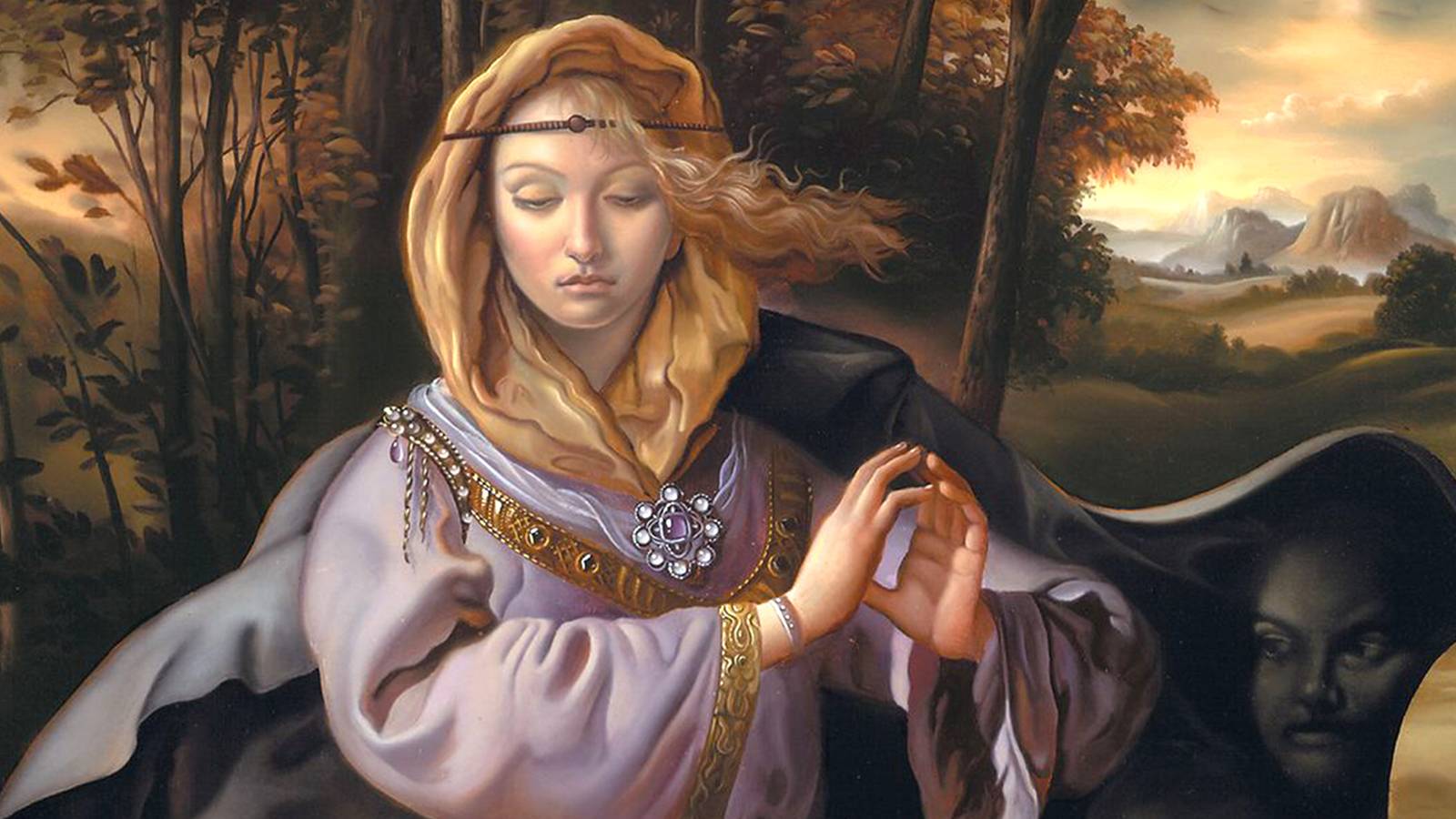
"Sometimes the gods answer in ways no one expects." This sequel to The Curse of Chalion centers on Ista dy Chalion, a middle-aged widow whose family believes she's been mad for years. Determined to reclaim her life, she embarks on a journey that pulls her back into the affairs of gods, demons, and kingdoms. What follows is a richly layered fantasy that treats classic tropes with unusual depth.
Ista is no stereotypical heroine—she's a three-dimensional woman burdened by regret and responsibility. Her rediscovery of confidence and purpose is deeply relatable. Bujold's character development shines, making Paladin of Souls a standout for anyone who loves character-driven fantasy. If you're looking for more underrated gems, check out our list of Forgotten Fantasy Gems: 8 Perfect Books That Deserve a Second Look.
2. 'The Stone Sky' by N.K. Jemisin (2018)
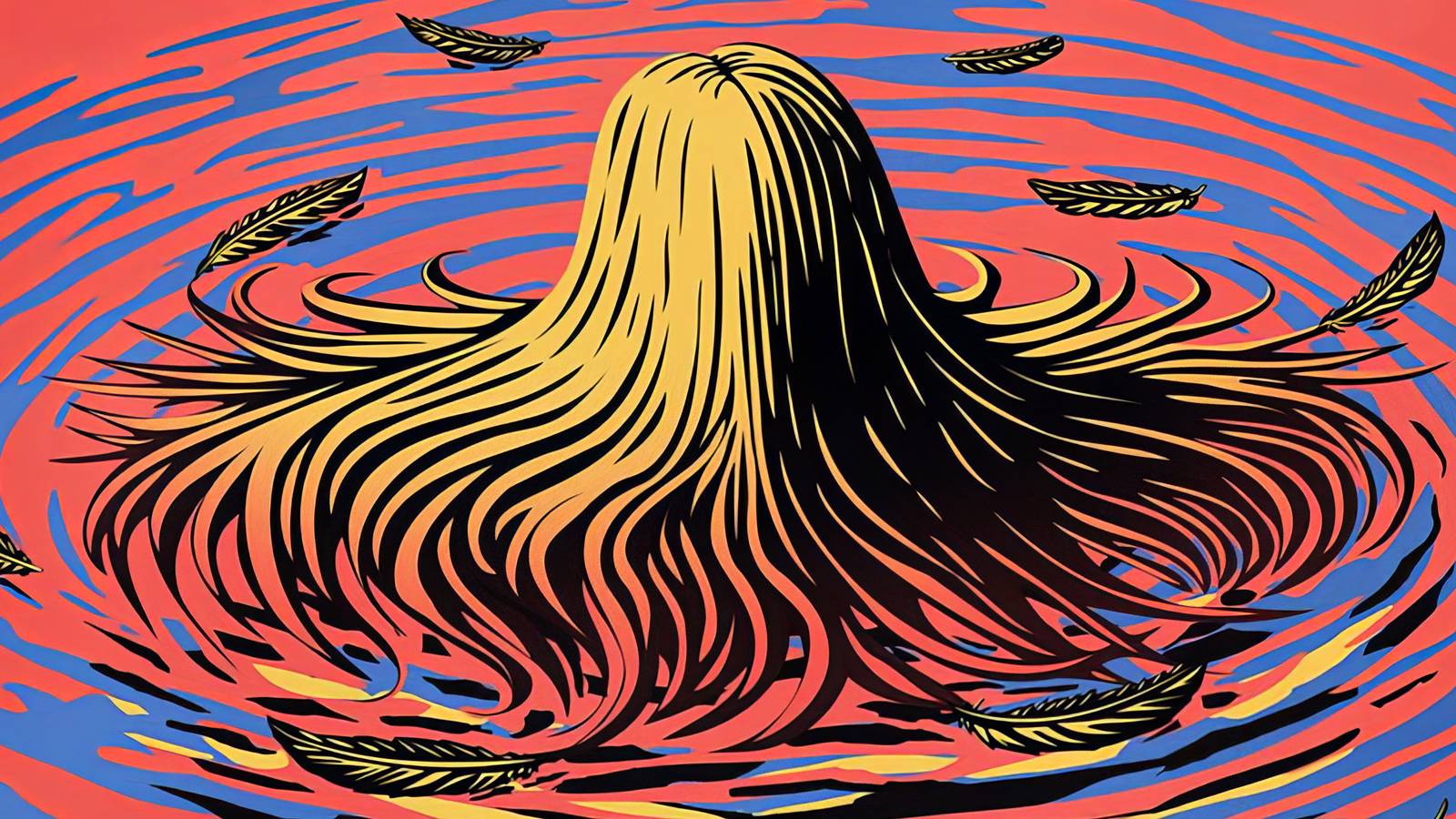
"The world is already ending. The question is who survives." The final book in N.K. Jemisin's Broken Earth trilogy takes place on a supercontinent wracked by constant geological disasters. Protagonist Essun, her daughter Nassun, and the mysterious Stone Eaters head toward a cataclysmic confrontation that will decide the fate of humanity and the powers that shaped civilization.
Jemisin's world-building is phenomenal—environmental catastrophes are woven into the setting's mythology, politics, and magic system. But she never loses sight of her characters, even as epic plotlines reach their peak. Every book in this trilogy won the Hugo Award, a testament to its brilliance. For fans of ambitious fantasy, this is essential reading.
1. 'American Gods' by Neil Gaiman (2002)
"People believe, and so things are." One of the most influential fantasy novels of the 2000s, American Gods follows ex-con Shadow Moon as he works for the enigmatic Mr. Wednesday. Shadow soon discovers that America is a battleground between fading deities of old mythology—like Norse, African, and Slavic gods—and new gods born from modern obsessions like media and technology.
Gaiman blends mythology into a uniquely American road novel, complete with leprechauns, ifrits, spidery tricksters, and very weird sex scenes. It's endlessly entertaining but also thought-provoking, exploring the power of belief and what it means to worship in a modern world. If you love fantasy that challenges you, this is a classic. And for more epic fantasy that deserves the spotlight, read why the Green Bone Saga is the fantasy epic TV needs right now.
These four books prove that fantasy can be both critically acclaimed and deeply moving. Whether you're in the mood for a diary of grief, a goddess's journey, a world-ending saga, or a road trip with gods, each offers something unique. They've earned their place in history—and on your bookshelf.