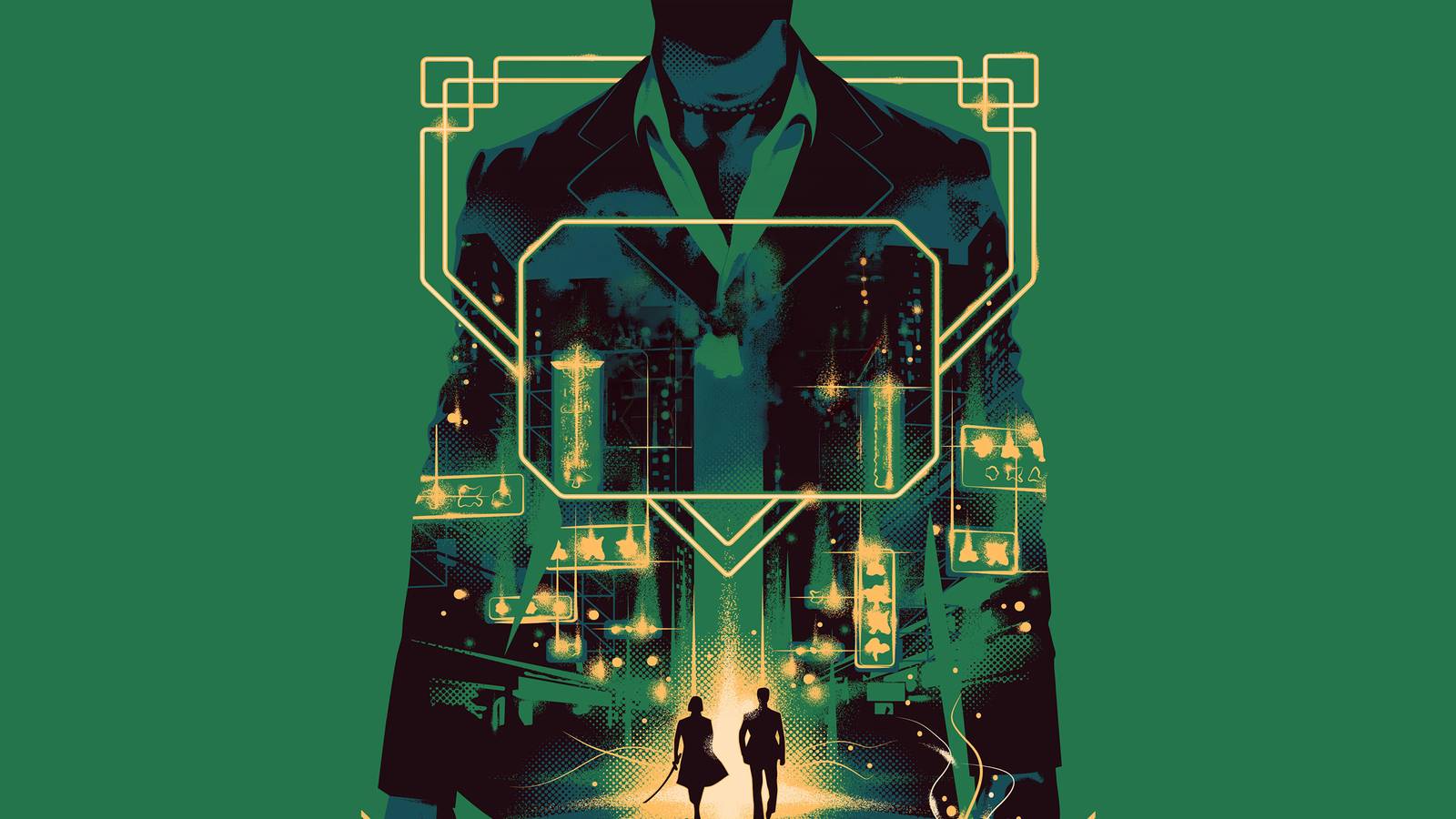
In a landscape where every studio is hunting for the next big fantasy adaptation, one series stands out as a perfect fit for television: Fonda Lee's Green Bone Saga. While many fantasy books rely on intricate magic systems or sprawling worlds, Lee's trilogy earns its devoted following by making readers care deeply about its characters first and foremost. It's a rare blend of epic scope and intimate storytelling that feels tailor-made for the small screen.
A Fresh Take on Modern Fantasy
The trilogy—comprising Jade City, Jade War, and Jade Legacy—is set on the island nation of Kekon, the world's sole source of bioenergetic jade. This mineral enhances the physical and sensory abilities of the Green Bones trained to wield it, shaping the country's culture, economy, and politics for generations. But Lee doesn't let the magic system overshadow the human drama. Instead, jade becomes a thread connecting every aspect of the story: a source of national pride, a coveted strategic resource, and a burden for those sworn to protect it. Alliances, betrayals, and political decisions all circle back to who controls the jade—and at what cost.

The narrative centers on the Kaul family, whose influence extends far beyond their household. Their personal conflicts quickly escalate into national crises as rival factions, international interests, and shifting traditions force them to reconsider what leadership truly means. This balance between personal stakes and larger political consequences is what makes the series so distinctive. Even as the scope expands, the emotional core never wavers.
Characters Who Grow and Change
Fantasy is filled with memorable protagonists, but few series allow characters to evolve as authentically as the Green Bone Saga does. Lee gives her characters room to age, make mistakes, carry regrets, and transform into people they never expected to become. Take Hilo, for example: introduced as someone who acts first and worries later, watching him grapple with responsibility over the trilogy is far more satisfying than simply seeing him grow stronger. Leadership changes him without erasing the qualities that made him compelling in the first place.
Similarly, Shae spends much of the series questioning where she belongs, discovering that loyalty isn't always expressed the same way. Anden struggles with expectations that would break most people. Even characters on opposing sides have understandable ambitions and deeply held convictions—making their conflicts feel real and nuanced. Lee's refusal to let each installment tell the same story is another smart move. The first novel establishes the people, traditions, and fragile balance of Kekon. From there, the series steadily widens its perspective: political negotiations become as important as physical confrontations, international relationships reshape local conflicts, years pass, children grow up, and the consequences of earlier decisions become impossible to ignore. By the final volume, the story has transformed into something much larger than its opening chapters suggested, yet it never feels like it abandoned what made readers care.
Why It's Perfect for Television
The strongest TV dramas succeed not because of their biggest twists, but because viewers become invested in the people making impossible decisions. That's the advantage the Green Bone Saga already has. Its action scenes are memorable, but they're never the destination. The real payoff comes from conversations that permanently alter relationships, compromises that haunt characters years later, and victories that demand painful sacrifices. Those quieter moments give every confrontation weight instead of existing simply to deliver spectacle.
It's also the kind of world television hasn't explored enough. Kekon feels modern without losing its traditions; its politics are messy, its culture feels lived in, and its conflicts evolve alongside the people caught inside them. For fans of character-driven fantasy, this series is a goldmine waiting to be tapped. If you're looking for more underrated fantasy gems, check out our list of Forgotten Fantasy Gems: 8 Perfect Books That Deserve a Second Look. And for another adaptation that deserves a second chance, see Why 'The Dresden Files' Deserves a Second Chance at a Faithful Adaptation.
Readers remember the Green Bone Saga because it introduced a clever fantasy concept, but also because it understood that the world only matters if the people inside it do. That's exactly why it's long overdue for a television adaptation.