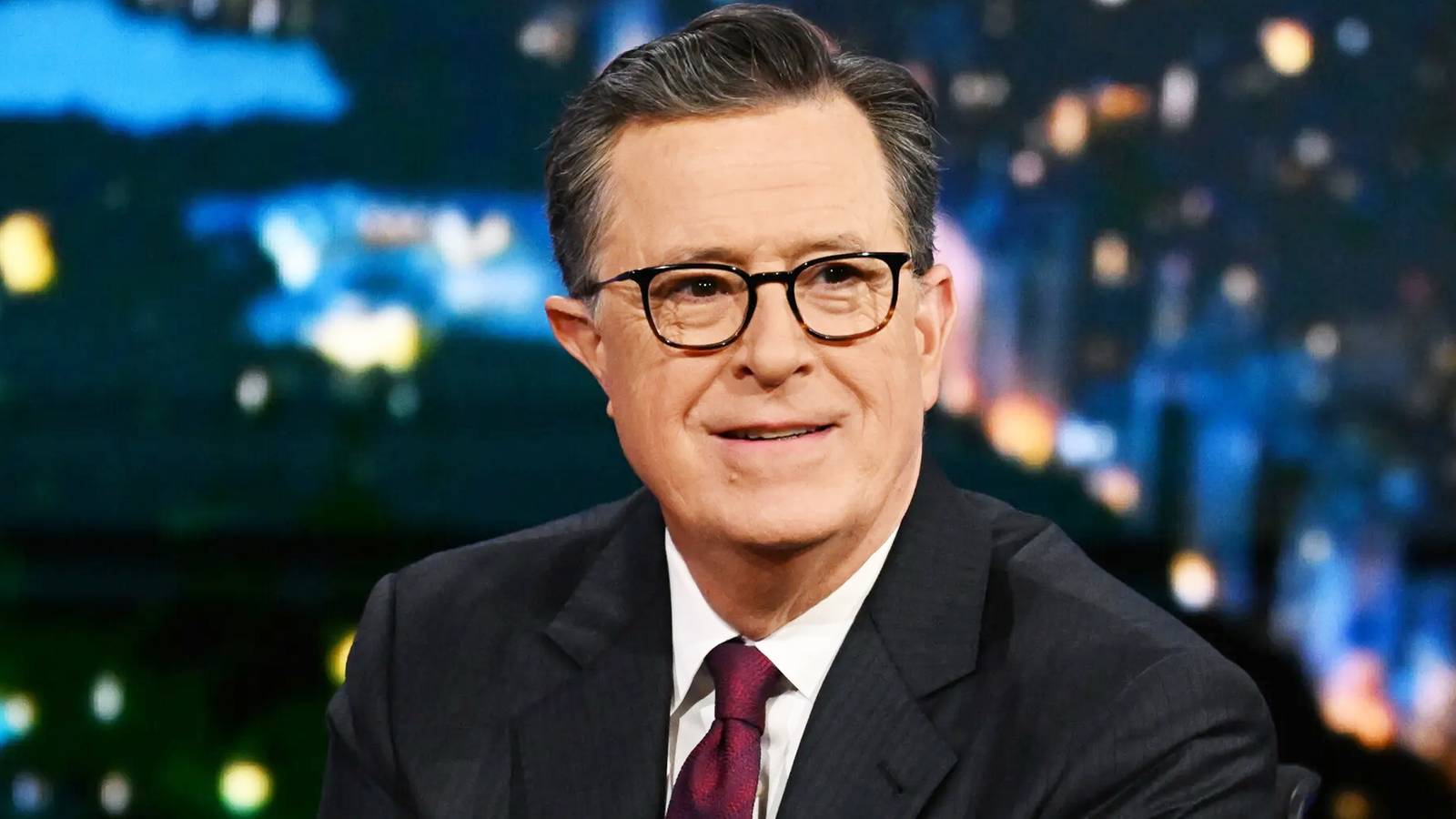
When The Late Show signed off in May, it felt like a rare TV victory: a beloved host ending a long-running franchise on his own terms. The finale was a celebration, packed with celebrity cameos, heartfelt goodbyes, and a final sing-along to “Hello, Goodbye.” But months later, the real drama is unfolding behind the scenes, as Stephen Colbert and CBS battle over who gets to shape the show’s legacy.
Colbert has been remarkably restrained since CBS announced the cancellation—which the network called “purely a financial decision.” He didn’t turn his final episodes into a nightly rant, but he did let the frustration leak through in sly jokes and pointed corrections. There were sarcastic references to the show ending “for financial reasons,” a public dispute over why an interview with a Texas state representative ended up on YouTube instead of airing, and a post-finale quip to the crew that only half of what he’d said about CBS on air was true.
The balancing act of staying gracious while hinting at a different story made sense while the show was still on. But now that the cameras are off, the gloves have come off—not with explosive statements, but with increasingly public disagreements.
The Emmy Campaign That Exposed the Rift
The most telling clash came from Colbert’s writers. Ahead of Emmy voting, they released a homemade “For Your Consideration” video, joking that they had to make it themselves because CBS wasn’t campaigning for them. It was classic Late Show humor—self-deprecating and sharp. But CBS quickly pushed back, insisting it had mounted an Emmy campaign for the show across all categories.
Both sides can technically be right: a network-wide campaign isn’t the same as a dedicated push for a specific writing team, especially one that had just spent months watching its show wind down. For the writers, who helped make The Late Show the most-watched program in late night, the perception that their final season was being overlooked stung. For CBS, allowing the idea that it abandoned a signature franchise during awards season would only deepen the questions surrounding the cancellation.
Nine Emmy Nods Prove the Show Still Had Gas
Just months after going off the air, The Late Show earned nine Emmy nominations—the strongest showing of Colbert’s tenure. That includes Outstanding Variety Series, plus nods for writing, directing, production design, editing, lighting, sound, music direction, and technical achievement. Whether the show wins is almost beside the point. The nominations reinforce what made the cancellation so hard to separate from the conversation: shows rarely post their best awards performance right after being canceled. The recognition underscores that The Late Show wasn’t creatively limping to the finish line, even if CBS insists the economics of late-night TV no longer worked.
Even Colbert’s playful appearance on a Michigan public-access show, Only in Monroe, briefly became part of the story after CBS issued copyright notices against unauthorized reposts, then backed off. On its own, it was a minor dispute. But together with the Emmy campaign disagreement and Colbert’s own public corrections, it paints a picture of two sides still carefully managing the narrative months after the cameras stopped rolling.
The irony is that neither Colbert nor CBS seems interested in re-litigating whether The Late Show should have ended—that decision is done. What they’re still fighting over is who gets the final word on one of late night’s defining shows.