Dario Argento doesn't just make horror movies—he builds nightmares with architecture, color, and sound. His films feel like crime scenes dreaming about themselves, where the killer is less important than the atmosphere around the murder. The gloved hands, the impossible camera angles, the haunting scores, and the sense that looking too closely at evil might trap you inside it—all of it defines his unique vision.
Argento's best work turns investigation into obsession. His protagonists witness something terrible, misunderstand a crucial detail, and become mentally trapped by the image. That core idea runs through his entire career, but these four films are the clearest proof of his genius. Let's dive into them.
4. 'The Bird with the Crystal Plumage' (1970)
Argento's debut already contains the obsession that would define his cinema. Sam Dalmas (Tony Musante), an American writer in Rome, sees an attack inside an art gallery—separated from the victim by glass and unable to help. That detail is pure Argento: the hero is close enough to witness horror, too limited to stop it, and haunted by the feeling that his own memory is lying.
This film helped push giallo into the international spotlight by turning murder investigation into visual paranoia. The black-gloved killer, the urban sleekness, Ennio Morricone's score, the strange clues, and the camera's fascination with surfaces all matter. Sam has to learn how to see correctly—an idea that became one of Argento's great signatures. For fans of stylish mysteries, this is a perfect entry point, much like the cozy mystery movies that warm your heart, but with a much darker edge.
3. 'Tenebrae' (1982)
By the time Argento made Tenebrae, he was famous enough to start arguing with his own image. The story follows Peter Neal (Anthony Franciosa), an American horror novelist in Rome whose book appears to inspire a string of murders. This premise lets Argento explore authorship, voyeurism, critics, fans, sexual panic, and the nasty question of whether violent art reflects sickness or simply gives sickness a mask to wear.
The film has a colder, brighter look than the gothic fever people often associate with Argento. White walls, sharp daylight, modern interiors, blades, blood, and clean surfaces turn violence into something almost clinical. The famous crane shot moving over and around a house still feels insane in its confidence, but Tenebrae has more going on than technical flexing. It treats murder as performance, media event, private compulsion, and genre expectation all at once. Argento is poking the audience too—we came for stylish death, and the movie knows exactly how ugly that appetite can look under bright light.
2. 'Deep Red' (1975)
Deep Red is the giallo machine running at full power. Marcus Daly (David Hemmings), a jazz pianist in Turin, witnesses the murder of a psychic and becomes obsessed with the missing detail inside what he saw. Argento takes that clean mystery hook and builds a whole world of dread around it: haunted children's drawings, dolls, old houses, strange music, cruel memories, and a murder trail that feels like the past forcing itself back into the present.
Marcus has the right nervous curiosity, but the film's secret weapon is how confidently Argento turns spaces into threats. Corridors feel alive. Apartments feel watched. A children's song becomes unbearable. Goblin's score drives the movie forward with wild prog-rock pulse, giving the murders a ritualistic charge without turning them into empty style. Deep Red also has one of Argento's strongest emotional ideas: trauma leaves evidence, and people spend years arranging their lives around what they refuse to face. It's a film that, like cinematic masterpieces where every frame is a work of art, demands your full attention.
1. 'Suspiria' (1977)
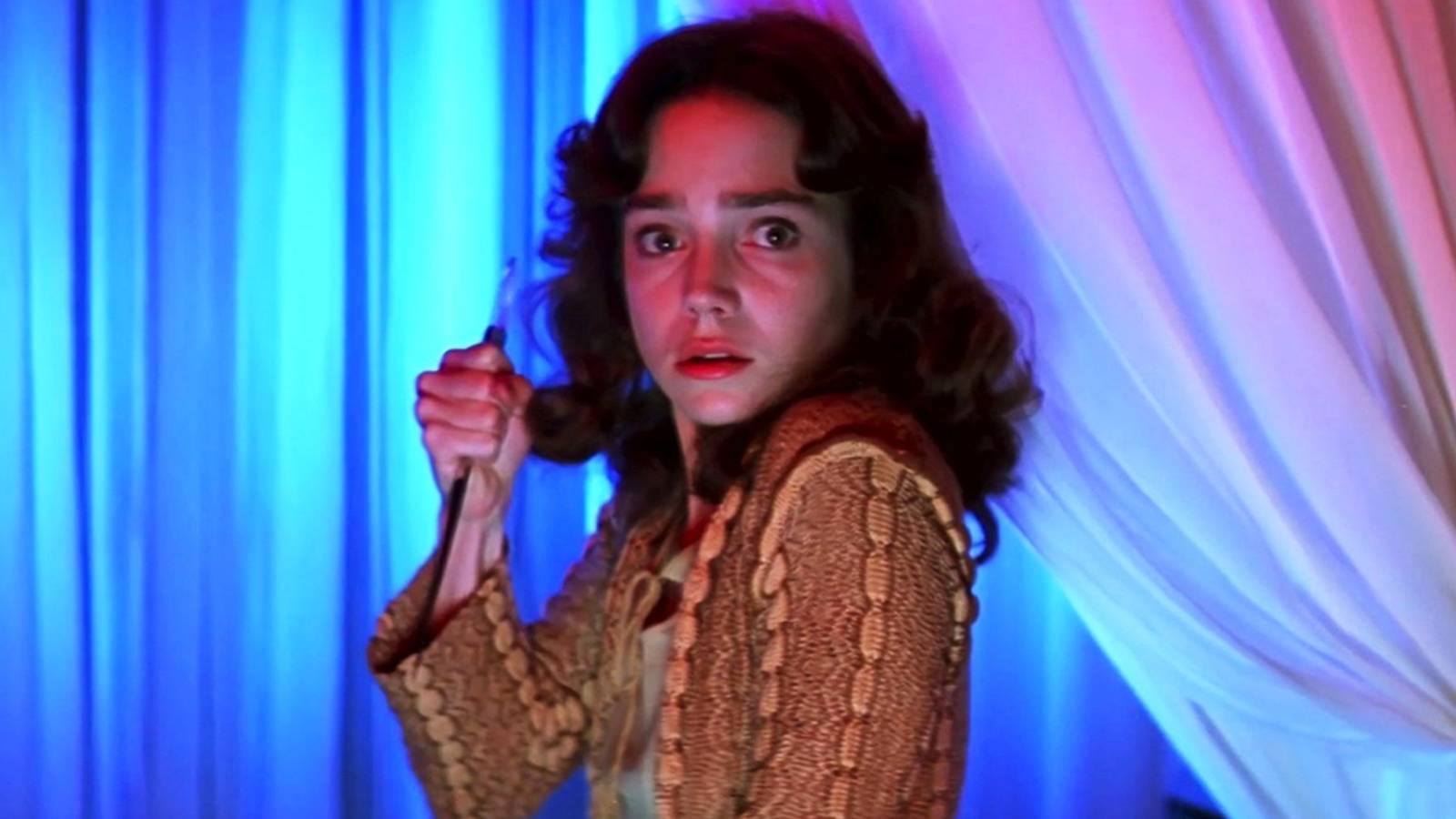
Suspiria is the purest Argento experience because plot becomes only one part of the attack. Suzy Bannion (Jessica Harper) arrives at a German dance academy during a storm, and almost immediately the school feels wrong: the colors are too intense, the halls too strange, the teachers too watchful, the violence too ceremonial. The movie doesn't creep toward nightmare logic—it starts inside it and keeps tightening the spell.
The achievement is sensory. Red, blue, green, stained glass, rain, whispers, maggots, secret rooms, impossible shadows, and Goblin's brutal lullaby score all turn the academy into a cursed organism. Suzy provides a steady human line through the madness, which matters because everything around her seems designed to erase normal reality. Suspiria remains Argento's defining classic because it understands horror as design, sound, movement, and fairy-tale cruelty. Plenty of films have witches. This one makes witchcraft feel architectural, musical, and alive in the walls. For those who appreciate flawless storytelling, it stands alongside fantasy movie masterpieces that are flawless from start to finish.
These four films represent Argento at his most imaginative and influential. Whether you're new to his work or a longtime fan, each one offers a unique journey into the heart of horror—where style and substance collide in unforgettable ways.