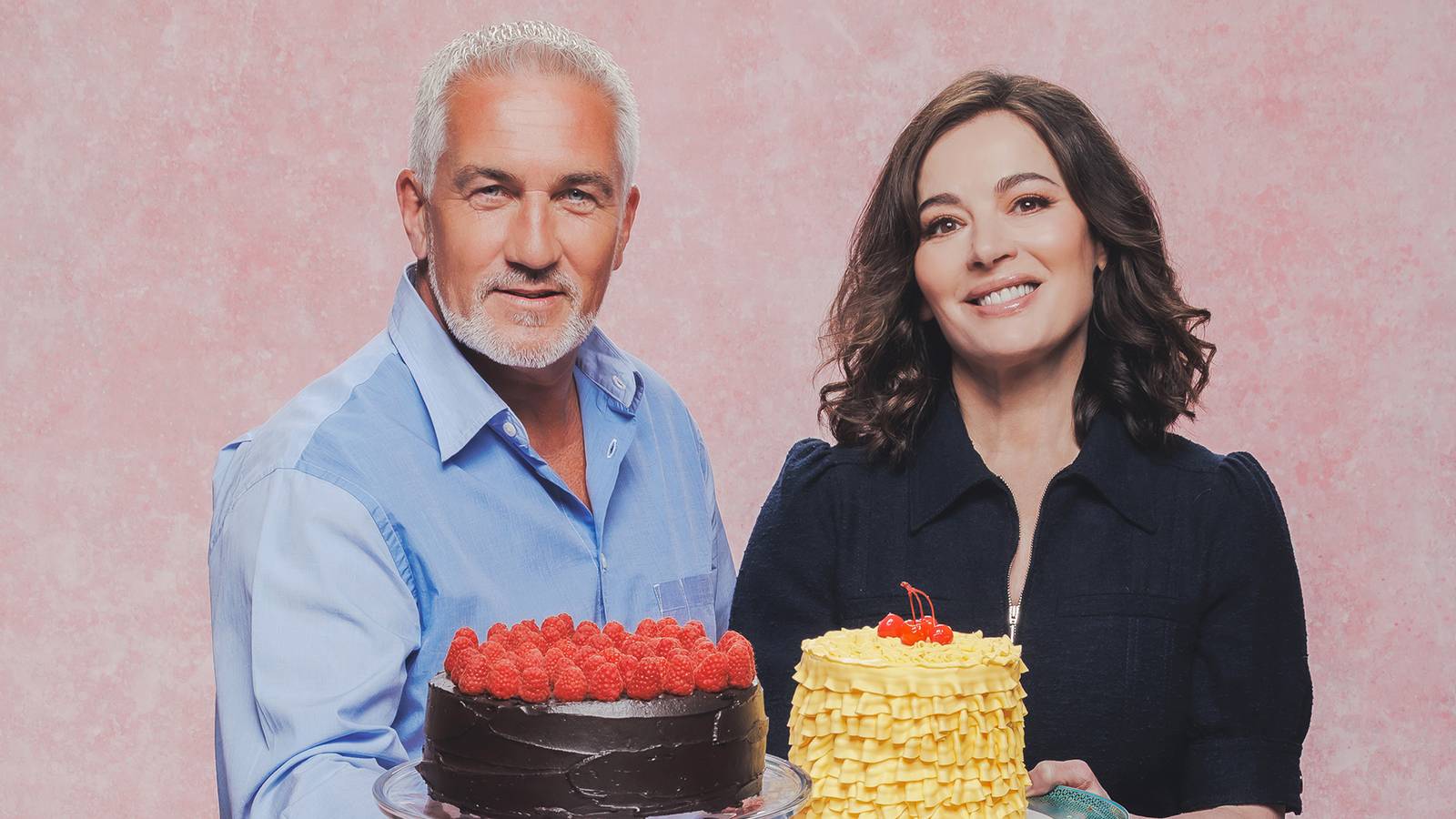
The Great British Bake Off has long been a comforting staple of television, known for its gentle competition and charming contestants. But as season 17 unfolds, a significant shift is happening behind the judges' table—one that might signal the end of an era. With the arrival of Nigella Lawson as a new judge, the show is experiencing a breath of fresh air, and it's making Paul Hollywood's continued presence feel increasingly out of step.
For 17 seasons, Paul Hollywood has been the constant, the stern-faced authority whose handshake is the ultimate prize. But the show has always evolved around him. Hosts have come and gone—from Mel and Sue to Noel Fielding and Alison Hammond—and judges have changed too, with Mary Berry and Prue Leith each leaving their mark. Now, Nigella Lawson steps in, and her approach is turning heads.
Nigella's Home-Baker Perspective
Nigella isn't a trained pastry chef or a technical perfectionist. She proudly calls herself a "home baker," and that's precisely what makes her judging so refreshing. While Paul focuses on precision and technique, Nigella brings a focus on taste and texture, often taking generous bites and describing flavors in a way that resonates with everyday viewers. Her philosophy is simple: she eats, then she explains what something tastes like, making the judging feel more accessible and relatable.
This contrast has created a dynamic where the two judges often disagree, but that's not a bad thing. It means the bakers get feedback that covers both the technical and the sensory, helping them improve in ways a single perspective might miss. It also makes for more interesting television, as viewers see two distinct viewpoints clash and complement each other.
Time for New Blood
Nigella's presence has also highlighted just how long Paul has been in his role. He's the last remaining original cast member, and while that longevity is impressive, it also means his methods and preferences have become deeply ingrained in the show's DNA. Contestants know exactly what he likes—they've studied his past critiques and tailor their bakes to impress him. This can make the competition feel predictable, and it's a far cry from the fresh, unpredictable energy Nigella brings.
The show has always thrived on change. It's had six different hosts, and now three female judges, each bringing their own personality. Paul, however, has remained a constant, and that constancy is starting to feel like stagnation. As other shows have shown, a change in leadership can revitalize a series, and Bake Off might be due for just that.
Of course, Paul is a talented baker and has been a beloved figure for years. But the entertainment landscape is full of examples where a long-running show benefits from new perspectives. Just as SNL UK's Weekend Update has made the American version look stale, Nigella's fresh approach is making Paul's traditional judging style seem dated.
It's not about dismissing Paul's contributions—it's about recognizing that Bake Off is a show that evolves. The introduction of an audience-choice week and Nigella's new role are signs that the producers are willing to shake things up. Perhaps it's time for them to go even further and let Paul step aside, allowing a new generation of judges to take the reins. After all, fresh pairings can bring unexpected magic, and Bake Off might be ready for its next chapter.
As season 17 continues, viewers will be watching closely to see how Nigella's presence changes the show's dynamics. One thing is clear: she's already proving that there's more than one way to judge a bake, and that might be the wake-up call the series needs.