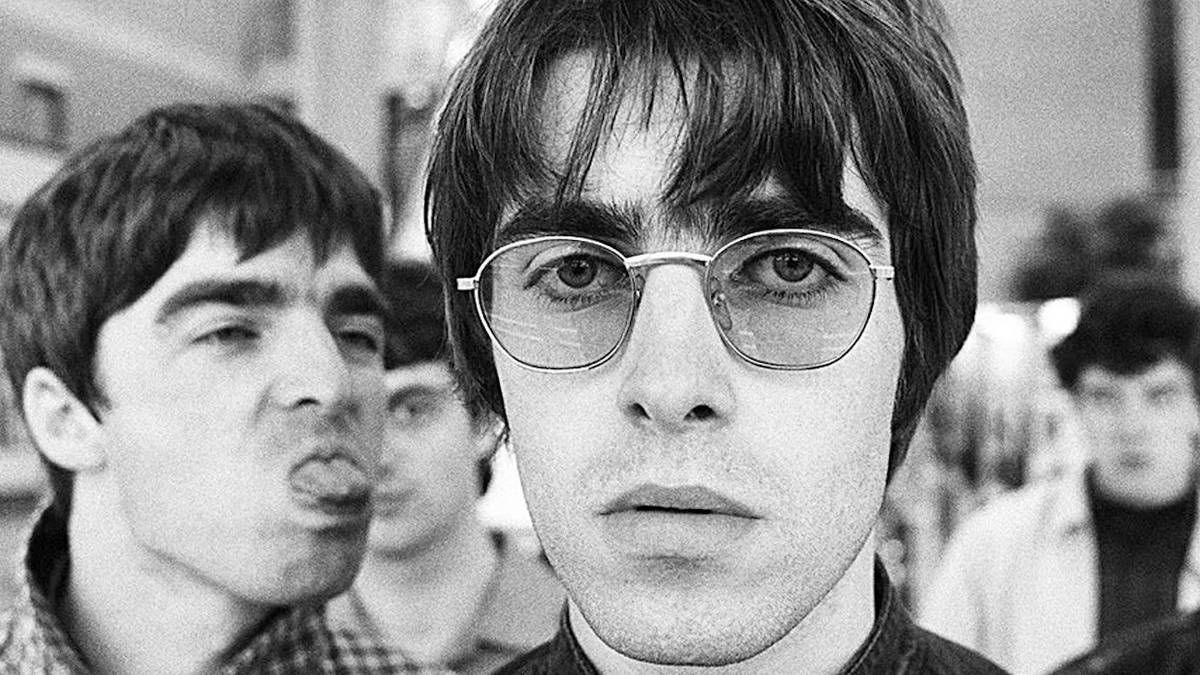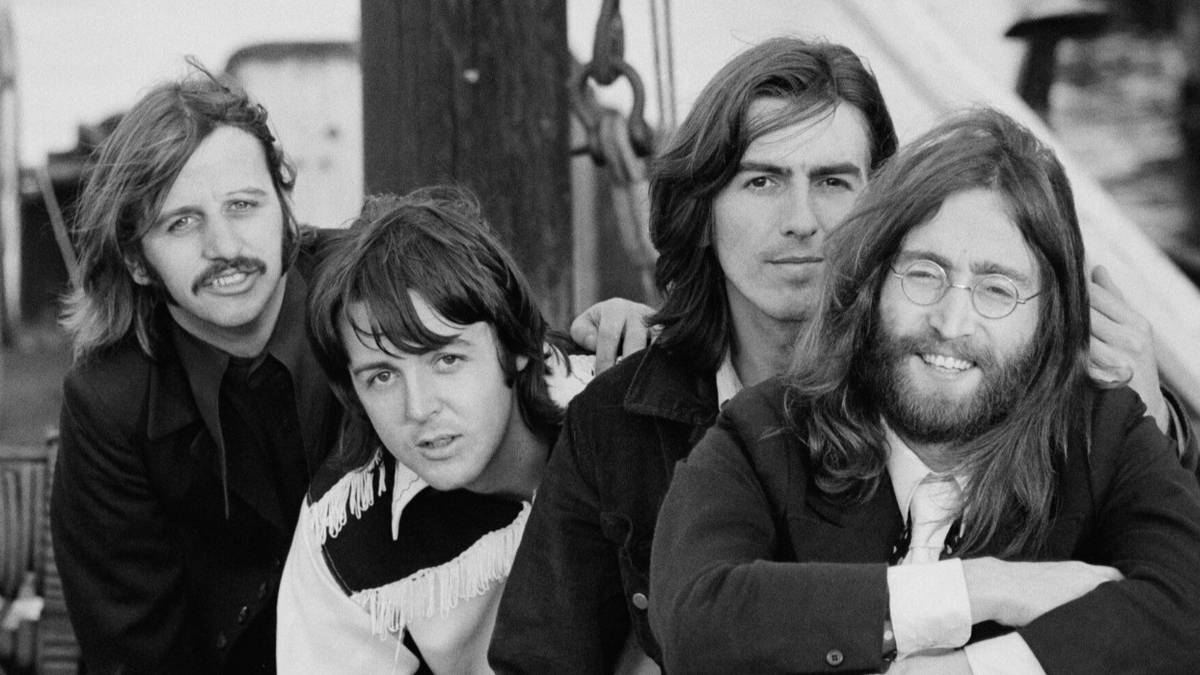
For a band that once sang about a ticket to ride, The Beatles just got the ultimate upgrade: a one-way trip to the cosmos. While their earthly sales records are legendary, their reach now extends far beyond our planet. In a move that perfectly blends science with art, NASA beamed a classic Beatles track directly into the void of deep space, aiming it at a distant star.
A Historic Broadcast to the Heavens
On February 4, 2008, NASA's Deep Space Network did something unprecedented. It transmitted The Beatles' iconic song "Across the Universe" beyond Earth's atmosphere, marking the first deliberate broadcast of a musical recording into interstellar space. The signal was sent racing toward the North Star, Polaris, traveling at the speed of light—a staggering 186,000 miles per second. At that velocity, it could circle our planet more than seven times in a single second.

This wasn't just a random act of cosmic DJing. The transmission celebrated a trio of major milestones: the 40th anniversary of the song itself, NASA's 50th anniversary as an agency, and the 45th anniversary of the Deep Space Network. Interestingly, the idea originated not from a NASA scientist, but from Beatles historian and superfan Martin Lewis, who suggested the agency send "something a little more cheery" into the universe. The gesture even earned approval from Paul McCartney, who reportedly asked NASA to "send his love to the aliens."
The Song's Earthly and Cosmic Origins
The chosen track, "Across the Universe," is a hallmark of the Lennon-McCartney partnership, known for its dreamy, stream-of-consciousness lyrics. Its creation story is as fascinating as its journey to space. John Lennon revealed the inspiration came to him during a late-night moment of irritation while lying in bed with his first wife, Cynthia. The flowing words transformed from personal frustration into what he called a "cosmic song." The track's spiritual tone was further influenced by the band's interest in Transcendental Meditation, evident in the inclusion of the Sanskrit phrase "Jai Guru Dev."
If you're fascinated by stories where science fiction meets profound human creativity, you might also enjoy The Quiet Earth: The Forgotten NZ Sci-Fi That Mastered the Last Person Alive Story.
Not The Fab Four's First Space Rodeo
This 2008 broadcast was actually the second time NASA facilitated a Beatles-related space connection. Three years prior, in November 2005, Paul McCartney delivered a live wake-up call from a concert stage in Anaheim to astronauts aboard the International Space Station. He performed "Good Day Sunshine" and "English Tea" for crew members Bill McArthur and Valeri Tokarev, blending a massive Earthly concert with the intimate routine of life in orbit.
This tradition of musical wake-up calls highlights NASA's human side, a theme also explored in films about space exploration. For another look at the legacy of those who reach for the stars, check out Kevin Costner's 'Hidden Figures' Soars on Disney+ in 2026, Fueled by Space Age Legacy.
A Message in a Bottle, Cast into a Cosmic Ocean
The "Across the Universe" transmission stands as a powerful, symbolic gesture. It raises profound questions about art, communication, and our place in the universe. Will the signal ever be found? The song is traveling toward Polaris, which is approximately 434 light-years away. The journey will take centuries, making it a true message in a bottle for the distant future—or for a potential listener in the vast unknown.
It serves as a reminder that human culture isn't confined to Earth. Our music, our art, and our stories now have a physical presence speeding through the galaxy. For fans of other genre-defying classics that push boundaries, our list of Timeless Treasures: 10 Sci-Fi Classics That Still Feel Fresh Today offers more essential viewing.
Eighteen years later, that Beatles signal is still out there, a tiny speck of human creativity racing through an infinite dark. It's a testament to the enduring power of music and our innate desire to connect, even if the audience is unknown and the reply may never come. The universe may be silent for now, but thanks to a fan's suggestion and NASA's technology, it now carries a timeless melody from Liverpool.