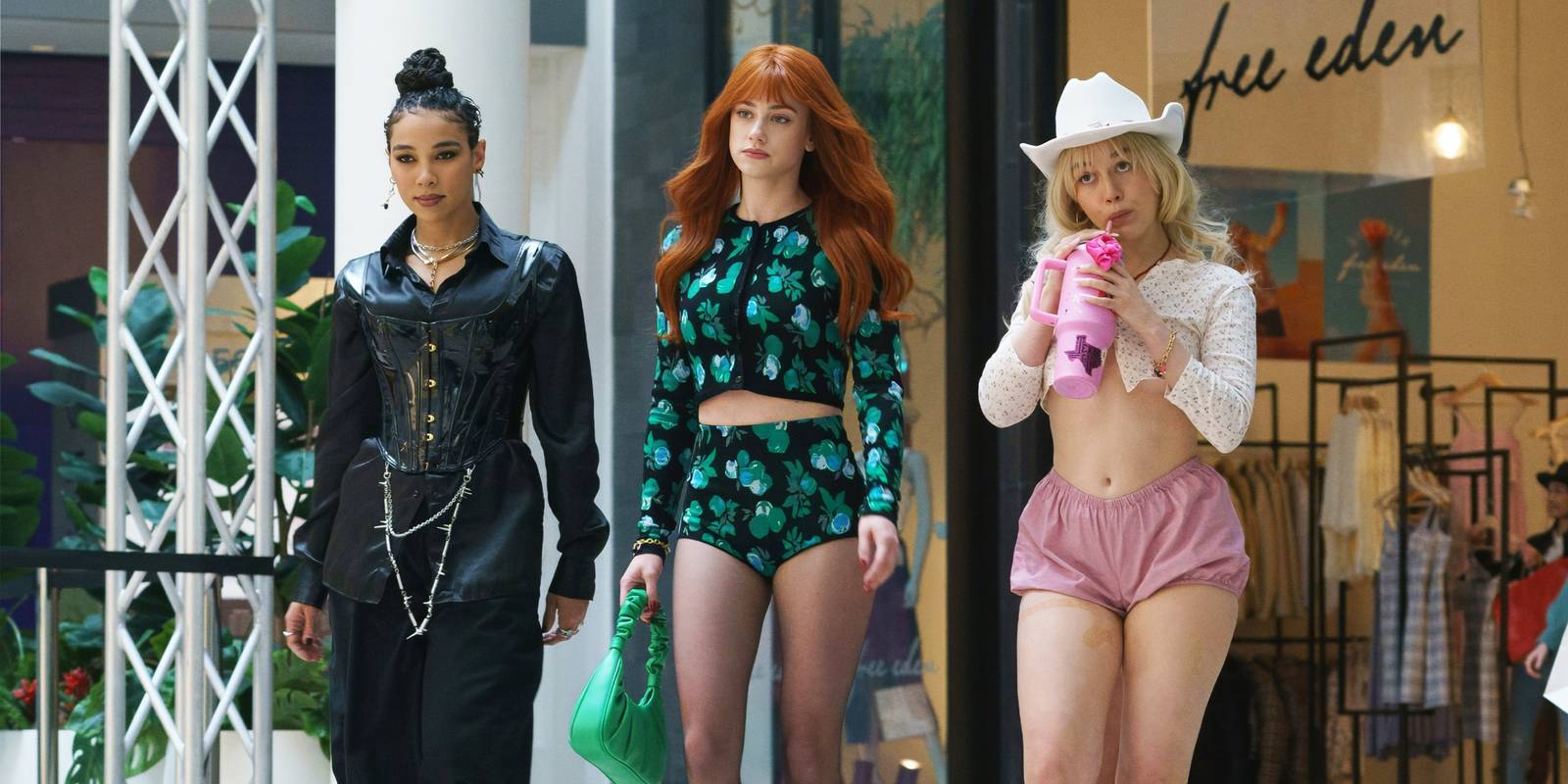
ShowtimeSpot has learned that the new supernatural thriller Forbidden Fruits, starring Lili Reinhart and Lola Tung, has conjured more confusion than chills. The film, which aims to tap into the nostalgic vein of witchy sisterhood narratives, has been met with a tepid reception, criticized for its fragmented storytelling and inability to capture the potent magic of its genre predecessors.
A Spell Gone Awry
Directed by an emerging filmmaker and distributed by IFC Films, Forbidden Fruits follows a coven of young women navigating dark powers and darker secrets. With Reinhart, known for her role in Riverdale, and Tung, who rose to fame in The Summer I Turned Pretty, the project initially sparked interest for its promising cast. However, early reviews suggest the film's potential is lost in a muddled plot and inconsistent tone, leaving audiences more bewildered than bewitched.
The central critique points to the movie's failure to cohesively blend its horror elements with its character-driven drama. Instead of a tight, suspenseful narrative, viewers are presented with a series of underdeveloped ideas that never fully coalesce into a satisfying whole. This is a particular disappointment for fans hoping for a worthy successor to cult classics that defined the genre.
Missing the Magic of 'The Craft'
Comparisons to the 1996 fan-favorite The Craft were perhaps inevitable, but Forbidden Fruits reportedly falls short of recapturing that film's iconic blend of teen angst, genuine menace, and potent mythology. Where The Craft successfully built a world of rules and consequences around its witchcraft, the new film is accused of lacking a clear magical framework, making its supernatural events feel arbitrary and its stakes unclear.
This comes at a time when horror is experiencing a creative renaissance, with projects like the acclaimed series Revival successfully reinventing familiar tropes. Meanwhile, the genre is also gaining prestige recognition, as seen with Amy Madigan's recent historic Oscar win for a horror performance. Against this backdrop, a misfire like Forbidden Fruits feels particularly noticeable.
The film's release also coincides with a surge in horror content aimed at younger audiences, exemplified by the upcoming 'Pumpkinhead 2' on Tubi, continuing R.L. Stine's popular YA franchise. In a crowded field, a clear vision is essential, and early word indicates this movie may not have one.
Performance and Production
While the script and direction have drawn criticism, notes on the performances are mixed. Reinhart and Tung are said to commit to their roles, but they are ultimately hampered by a screenplay that doesn't give their characters sufficient depth or logical motivation. The supporting cast faces similar challenges, navigating a story that shifts uneasily between horror, drama, and dark comedy without mastering any single tone.
The production, with cinematography by Sabrina Lantos, delivers some visually compelling moments, but these are not enough to anchor the film's wayward narrative. The result is an experience that feels less like a crafted tale and more like a collection of intriguing concepts that were never fully developed, a reminder that execution is as crucial as the initial idea. For insights into a director's creative journey, one might look to pieces like our feature on how 'Hoppers' director Daniel Chong honed his craft.
Forbidden Fruits serves as a case study in the difficulties of revitalizing a beloved subgenre. It underscores that modern audiences seek more than just aesthetic callbacks; they demand smart, coherent storytelling that respects the intelligence of the viewer, a quality found in the best of contemporary horror like the episodes dissected in Andy Weir's analysis of 'Black Mirror'. As it stands, this cinematic spell seems to have fizzled before it could truly ignite.