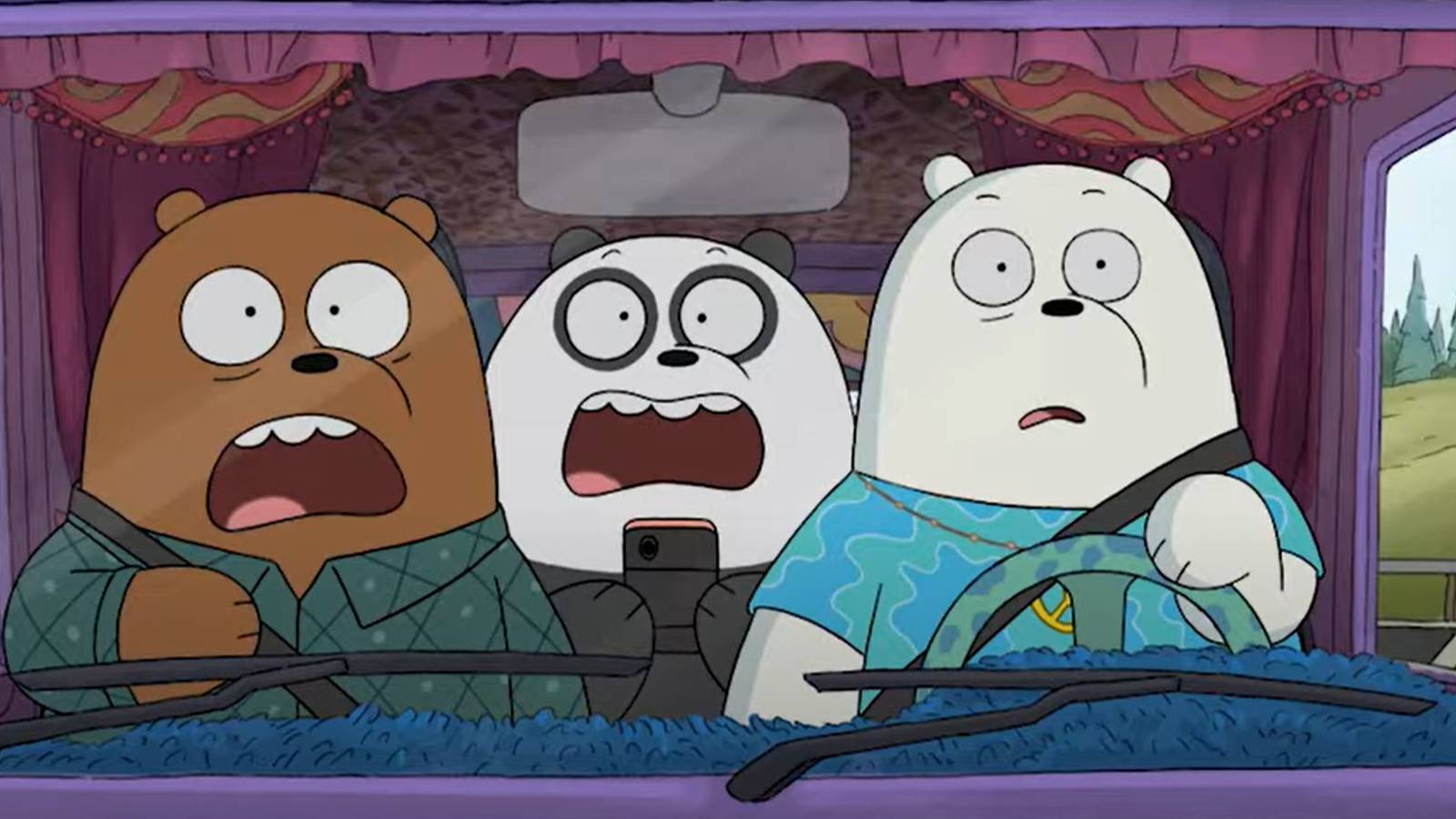
Daniel Chong is currently riding high as the director behind Pixar's latest original triumph, Hoppers. But long before those chatty beavers captured our hearts, Chong was delivering a different kind of animated magic. His creative journey includes directing We Bare Bears: The Movie, the feature-length conclusion to the adored Cartoon Network series, which now serves as a fascinating blueprint for his current success.
The Perfect Bear Finale
We Bare Bears: The Movie arrived in 2020 as the epic send-off for Grizz, Panda, and Ice Bear. The series, which launched in 2015, followed the hilarious misadventures of these three bear brothers trying to fit into human society around San Francisco. The movie raised the stakes, pitting the beloved trio against their greatest threat: a determined wildlife control agent named Trout who exploits human prejudice to turn the city against them.
The film beautifully reveals the origins of the bears' "found family" bond, showing how they met as cubs. It culminates in a thrilling climax where the brothers must use their iconic stacking technique to survive a perilous situation, ultimately earning the acceptance they've always sought. The movie provided a heartfelt, idyllic ending that satisfied fans and showcased Chong's skill in wrapping up long-running character arcs.
Shared DNA: From Bears to Beavers
Looking at We Bare Bears: The Movie and Hoppers side-by-side reveals Chong's recurring fascinations. Both stories use animal protagonists to explore themes of prejudice, coexistence, and community. In the bear movie, Agent Trout embodies fear of the "other," while in Hoppers, human characters initially struggle to understand the animal world. Both narratives build toward climactic forest fires where different species must unite to survive, highlighting Chong's focus on cooperation in the face of disaster.
Chong's affection for certain animals also carries over. Beavers, who play central roles in Hoppers, actually popped up in multiple gags throughout the We Bare Bears series. The director even personally provides the signature beaver squeaks in his new film, a charming detail that underscores his hands-on creative approach.
Evolving Themes and Techniques
While both films champion harmony, they approach their messages differently. We Bare Bears: The Movie tackles integration and prejudice head-on through its villain, whereas Hoppers weaves its themes more subtly into a story about communication and environmental stewardship. The latter film also grants its human antagonist a redemption arc, showing Chong's evolving narrative complexity.
The technological scope clearly expanded between projects. The bear movie concluded a television series, while Hoppers is a full theatrical release with Pixar's signature animation resources. Yet, watching the earlier work, you can see Chong developing the heartfelt character dynamics and thematic depth that would later resonate with global audiences. It's a classic case of a creator refining his voice on one project before shouting it from the rooftops on another.
For fans of Chong's work in Hoppers, seeking out We Bare Bears: The Movie offers a rewarding look at his creative roots. It's streaming now for those who want a double feature of heartfelt, animal-centric adventure. And if you're looking for another great series to binge, check out our feature on Reservation Dogs: Your Perfect Hulu Weekend Binge Is This 3-Season Gem.
The journey from a Cartoon Network finale to a Pixar hit demonstrates how foundational projects shape major directors. Chong's ability to blend humor, heart, and timely themes was already evident with the bears, and Hoppers proves he's only sharpened that skill. For more innovative storytelling, explore SF8: The Korean Sci-Fi Anthology That Captures Black Mirror's Unsettling Brilliance.