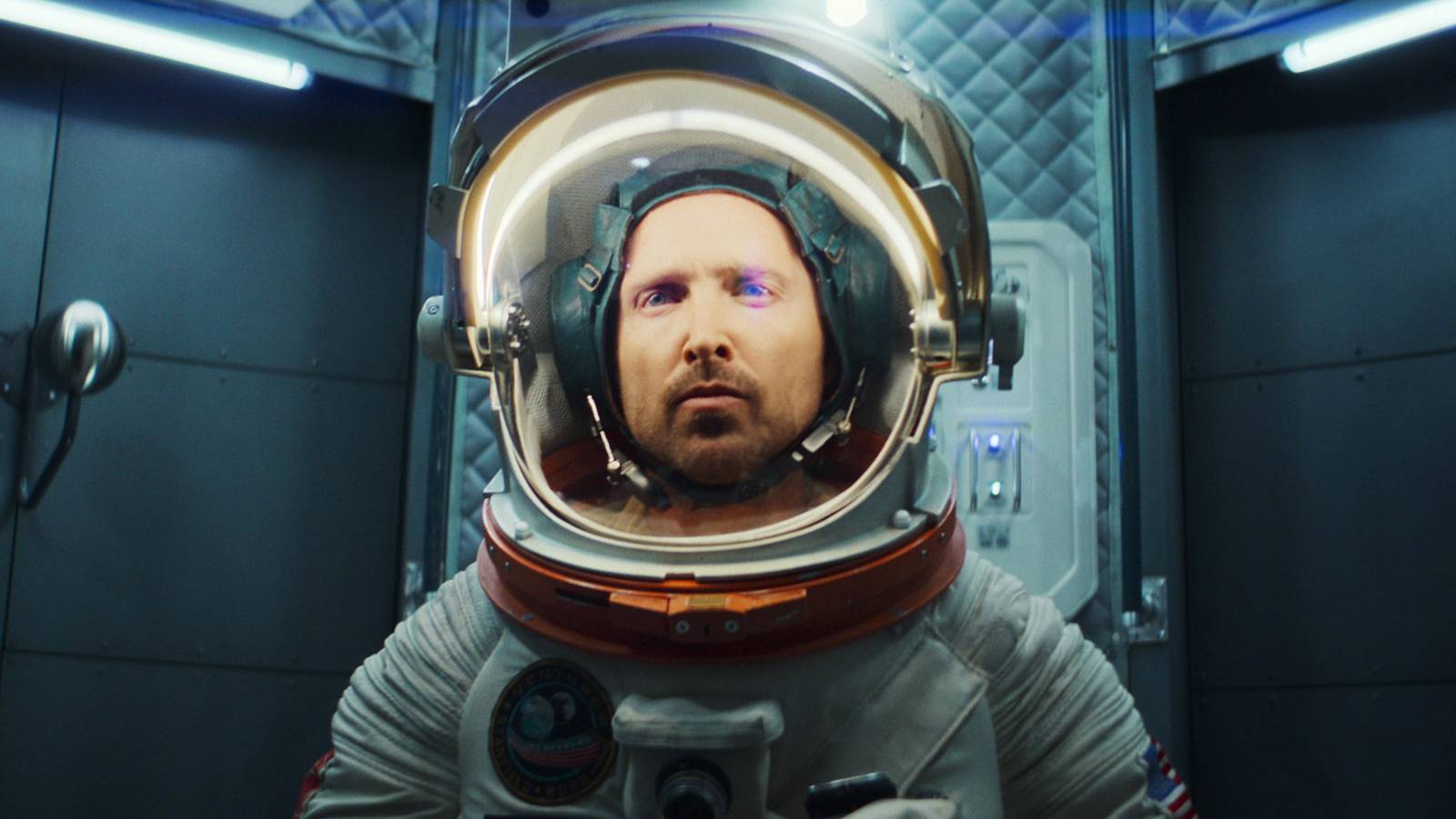
If you've ever finished a Black Mirror episode and sat in stunned silence, questioning your relationship with technology, there's a new anthology series ready to provoke that same potent mix of dread and fascination. Enter SF8, an eight-part Korean sci-fi collection that doesn't just mimic that familiar unease—it carves out its own distinct, compelling space in the genre.
A Collection of Tech-Fueled 'What Ifs'
At its heart, SF8 operates on a brilliantly simple premise: what happens when emerging technologies integrate a little too seamlessly into our most personal spaces? Each of its eight standalone episodes spins a different speculative tale, grounded in realities that feel unsettlingly close. This isn't about far-future dystopias, but the moral quandaries waiting for us just around the corner.

One story delves into an AI fortune-telling service that society begins to treat as absolute truth. Another strands a disgraced social media influencer in a virtual reality prison she can't escape. A particularly resonant episode explores a VR dating app where users craft perfect avatars, only to confront the crushing anxiety of being their real, vulnerable selves offline. The series fearlessly tackles heavy themes, from using AI to resurrect lost loved ones to outsourcing human care to emotionless robots, presenting these not as mere spectacle but as genuine ethical puzzles.
More Than Just 'Korean Black Mirror'
While the comparison is inevitable, labeling SF8 as simply the "Korean Black Mirror" sells it short. Both share the anthology format and a core fascination with technology's dark side, but their approaches differ. Where Black Mirror often charts a course toward bleak, inevitable conclusions, SF8 frequently shows more curiosity about the people caught in these systems. The emotional journey of the character sometimes takes precedence over the grim mechanics of the tech itself.
This unique texture is amplified by the show's structure. With a different director helming each episode, the tone can shift dramatically from one story to the next. You might move from a intimate character drama to a full-blown tech thriller, or a story that flirts with romance before revealing a darker core. This variety means not every installment lands with equal force—a couple feel underdeveloped—but the unpredictability itself is engaging, preventing the fatigue that can set in with more uniform anthologies.
Episodes That Leave a Mark
The strength of any anthology lies in its standout chapters, and SF8 has several that linger long after the credits roll. "Joan's Galaxy" is frequently cited as a high point, masterfully balancing its high-concept premise with genuine human emotion. "The Prayer" adopts a colder, more clinical perspective on robotic caregivers and the systemic injustices they can perpetuate. Meanwhile, "Love Virtually" transforms the seemingly playful concept of a VR dating app into a profound and unsettling exploration of identity and authenticity.
The series concludes with "Empty Body," a challenging and uncomfortable finale that poses a difficult question: is using digital means to recreate a lost person an act of devotion, or a fundamentally selfish kind of cruelty? The show offers no easy answers, leaving viewers to sit with the ambiguity—a hallmark of the best speculative fiction.
For those seeking more mind-bending narratives, our guide to Prime Video's Most Mind-Bending Thrillers offers several excellent follow-ups. And for another perspective on tech-centric storytelling, consider Andy Weir's 'Black Mirror' Critique, which debates the series' core themes.
SF8 may not have achieved the same global cultural saturation as its British counterpart, but it succeeds in replicating that essential, post-episode quiet. It leaves you staring at your own devices, not with shock, but with a thoughtful recalibration of how you view the technology woven into your life. For anyone craving smart, emotional, and ethically complex sci-fi, this Korean anthology is a essential and worthy watch.