
It's a curious twist when a celebrated science fiction author takes aim at one of the genre's most defining modern shows. Yet that's exactly what happened when Project Hail Mary author Andy Weir recently labeled Netflix's Black Mirror as fundamentally "anti-technology." His critique, however, may be missing the chilling, human-centric point that has made the series a cultural touchstone.
The 'Technophobia' Accusation
While promoting the film adaptation of his novel, Weir shared his views on a podcast, stating, "I feel like technology generally makes things better. It's also why I really don't like the show Black Mirror, because it's pretty much all about how technology is awful and will ruin the universe." On the surface, it's an understandable read for a series known for its bleak, near-future parables. But this interpretation flattens the show's more nuanced and unsettling thesis.
Brooker's Clarification: It's Not About the Tech
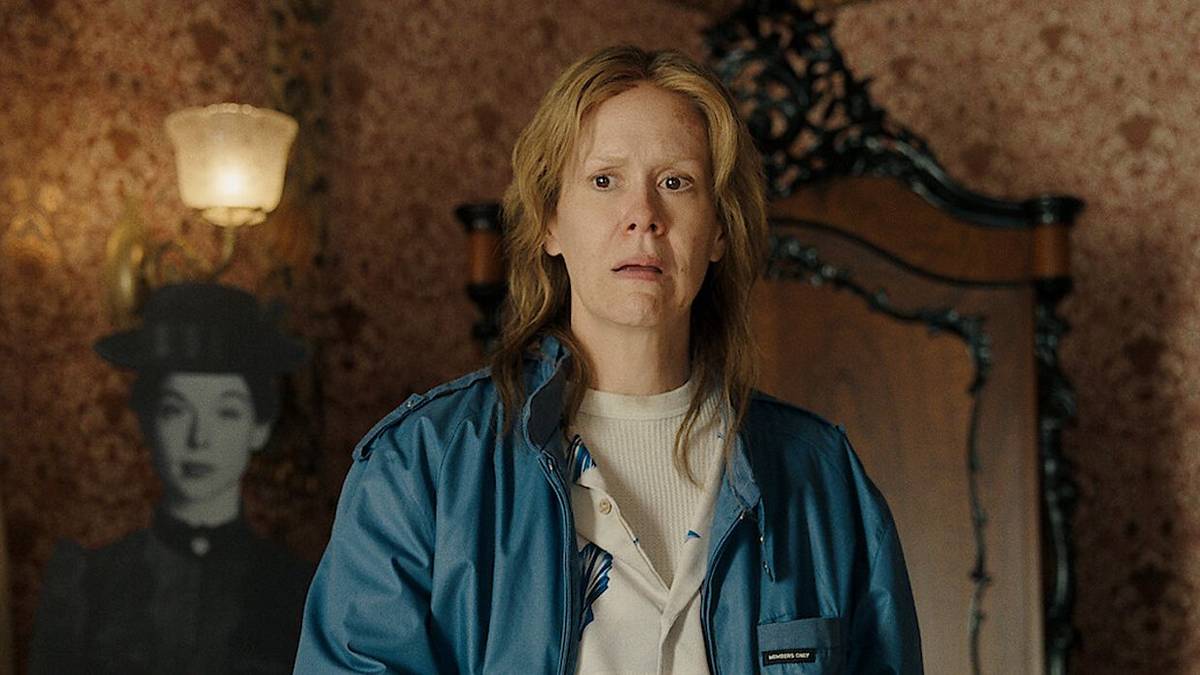
For years, creator Charlie Brooker has pushed back against the idea that Black Mirror is a simple warning against gadgets and algorithms. The technology in the show almost always works exactly as designed. The horror doesn't spring from malfunctioning code or rogue AI, but from perfectly functional systems intersecting with timeless human flaws: jealousy, insecurity, vanity, and fear. The show removes the societal friction that usually keeps these impulses in check, letting them run to their logical, often brutal, conclusions.
Consider the trade-offs we make daily, which the series magnifies: privacy for convenience, authenticity for validation, presence for constant connection. Black Mirror doesn't judge these choices as inherently right or wrong. Instead, it acts as a narrative laboratory, showing us the potential end results of paths we're already on. It's a theme shared by other thoughtful sci-fi, like the gritty character studies in Netflix's 'Jo Nesbø's Detective Hole'.
Why the 'Anti-Tech' Label Persists
Weir's reading taps into a long tradition of sci-fi suspicion toward progress. Black Mirror uses the visual language of that tradition—sleek devices, invasive systems, worlds that feel "off"—which makes the anti-tech categorization an easy first impression. But the show deliberately occupies a grayer, more complicated space. It explores how convenience can subtly erode values and how new tools amplify existing human behavior, for better or worse.
Strip away the speculative implants and algorithms, and the series reveals itself as a collection of moral dilemmas. Characters are forced to choose between competing values with no clean exit. They aren't destroyed by machines; they're ensnared by their own psychology, with technology serving as the catalyst and the amplifier. This focus on human drama under pressure is what makes certain shows resonate, much like the personal stakes Yahya Abdul-Mateen II finds in his Marvel role in 'Wonder Man'.
The Reflection in the Screen
The show's title is its most enduring clue. A "black mirror" is the screen of your phone, tablet, or TV when it's off, reflecting your own face back at you. That's the core of the series: technology doesn't create new monsters; it holds up a mirror to the old ones we already carry inside. The profound discomfort comes from recognition, not from alien futures.
This is why many Black Mirror worlds aren't full-blown dystopias. They are often functional, even prosperous societies where life goes on despite individual tragedies. The systems hold. That unsettling normalcy—the idea that we might adapt to horror rather than overthrow it—is perhaps the show's most lasting contribution to the genre. It challenges viewers to look critically at their own relationship with the tools that shape modern life, a conversation that extends beyond fiction into how we consume it, as seen in the massive success of shows like 'One Piece' Season 2 on Netflix.
In the end, Weir's optimism about technology and Black Mirror's cautionary tales aren't necessarily in conflict. They are two sides of the same coin, examining the immense power our creations wield. Black Mirror argues that the greatest variable in that equation isn't the code we write, but the age-old, imperfect humanity we bring to it.