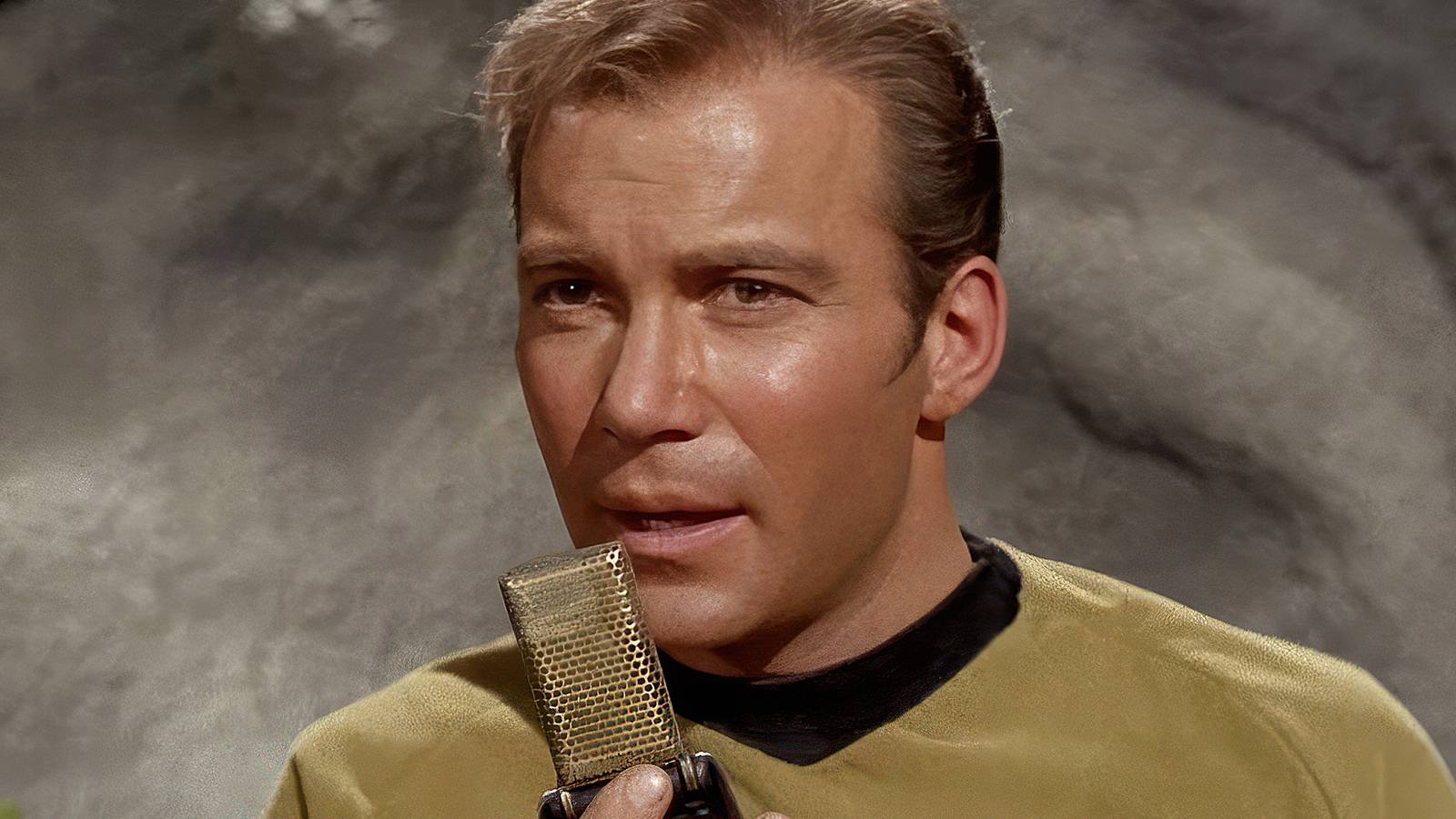
If you've ever channel-surfed through classic sci-fi, you've likely noticed a recurring theme: aliens are met with suspicion, exploitation, or outright violence. From The Day the Earth Stood Still to The Man From Planet X, extraterrestrials were often portrayed as threats to be neutralized. While some of this reflected Cold War anxieties, the genre seemed stuck in a cycle of fear. Then came Star Trek, and with it, a rule that changed everything: the Prime Directive.
The Birth of a New Ethos
Gene Roddenberry's vision of the future wasn't just about warp drives and phasers—it was about how humanity would treat others. In Star Trek: The Original Series, the United Federation of Planets established General Order 1, better known as the Prime Directive. This regulation forbids Starfleet officers from interfering with the natural development of alien societies, even with good intentions. As Captain Jean-Luc Picard later explained in The Next Generation, history shows that well-meaning interference often leads to disaster.

This was a radical departure from earlier sci-fi, where advanced civilizations typically imposed their will. The Prime Directive introduced a moral framework that prioritized respect and self-determination over conquest or paternalism.
Why It Mattered for the Genre
Before Star Trek, alien encounters in film and TV were almost always hostile. In The Day the Earth Stood Still, Klaatu arrives with a warning about atomic weapons, but humanity responds with gunfire. The Prime Directive flipped that script: it suggested that a truly advanced society would hold back its power, allowing less developed worlds to evolve at their own pace.
This concept resonated deeply with audiences and creators alike. It opened the door for stories about diplomacy, cultural exchange, and ethical dilemmas—themes that now define much of modern sci-fi. Shows like Babylon 5, The Expanse, and even Doctor Who owe a debt to the Prime Directive's emphasis on non-interference.
More Than a Rule—A Philosophy
The Prime Directive isn't just a plot device; it's a philosophical statement. It separates the Federation from empires like the Klingons or Romulans, who have no qualms about exploitation. In the Mirror Universe, where the Prime Directive doesn't exist, Starfleet becomes a tyrannical force. The rule reminds us that power without restraint leads to oppression.
Of course, the Prime Directive is often tested. Episodes like TNG's 'Symbiosis' or Voyager's 'Tuvix' explore the gray areas where non-interference conflicts with compassion. These stories challenge viewers to think about real-world issues like interventionism and cultural imperialism.
A Lasting Legacy
Today, the Prime Directive's influence can be seen across entertainment. For example, Roland Emmerich's $150M Sci-Fi Disaster 'Moonfall' still leans into classic alien invasion tropes, but many modern series embrace the Prime Directive's ethos. Even spy thrillers like 'The Night Manager' explore themes of non-interference and moral complexity.
As streaming platforms like Prime Video continue to expand their libraries with classic and new sci-fi, the Prime Directive remains a touchstone. It's a reminder that the best science fiction isn't just about technology—it's about how we choose to use it.
In the end, Star Trek's Prime Directive didn't just change the rules of space exploration; it changed the rules of storytelling. By promoting cooperation over conflict, it gave us a future worth striving for.