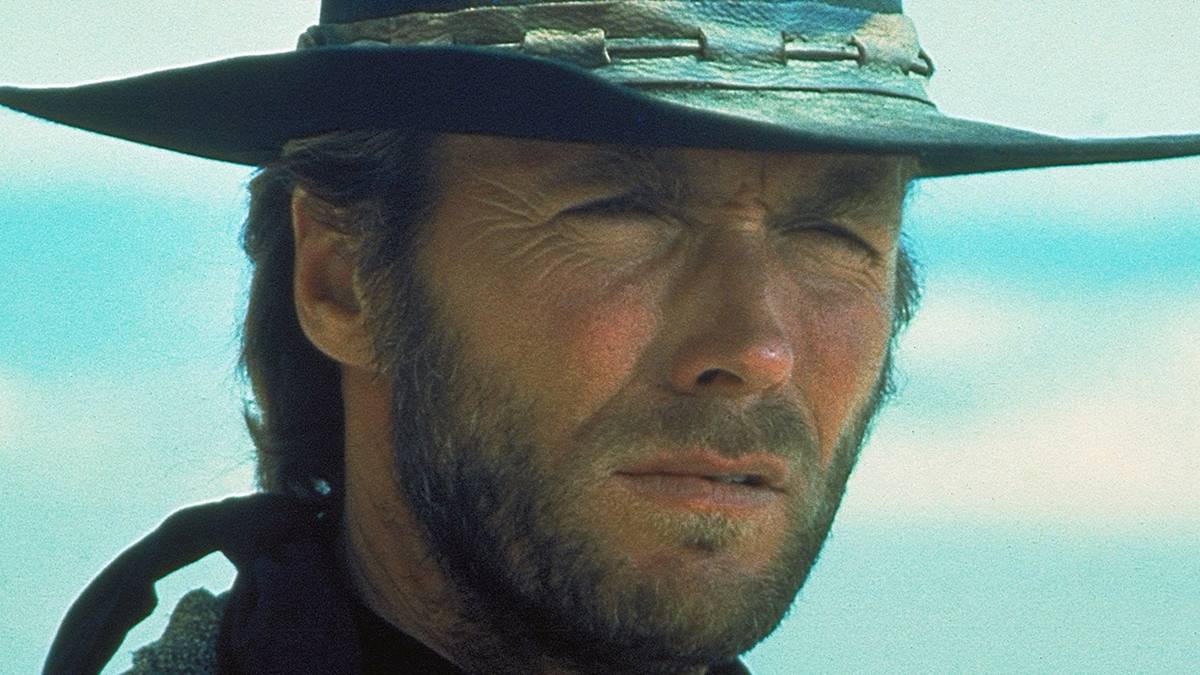
Clint Eastwood's journey from global movie star to revered filmmaker is the stuff of Hollywood legend. While his directorial debut came with the 1971 thriller Play Misty for Me, it was his return to the dusty trails of the Old West two years later that truly cemented his creative voice. The 1973 film High Plains Drifter stands as the definitive turning point, a movie where Eastwood the actor fully merged with Eastwood the auteur to craft something stark, unsettling, and revolutionary.
From Spaghetti Westerns to Studio Stardom
Eastwood's rise to fame was anything but conventional. After being let go by a major studio for not fitting the traditional leading-man mold, he found his signature role as the laconic "Man With No Name" in Sergio Leone's groundbreaking Spaghetti Westerns. These films made him an international icon, but upon returning to American productions like Hang 'Em High and Joe Kidd, he found the genre stuck in a more traditional, less subversive groove. These movies were solid but failed to harness the unique, simmering intensity he had honed overseas.
The Directorial Test Run
Eastwood first stepped behind the camera with Play Misty for Me, a psychological thriller that proved he could direct with sharp precision and draw a compelling performance from himself. Its success gave him the confidence and clout to tackle a project where he would have complete creative control. He chose to return to the Western, but not the kind Hollywood was used to making. He aimed to import the moral complexity and visual style of his European work and fuse it with a distinctly American story.
'High Plains Drifter': A Genre Upended
With High Plains Drifter, Eastwood didn't just direct and star; he declared a new vision for the Western. Gone were the clear-cut heroes in white hats. In their place was "The Stranger," a figure of brutal, ambiguous vengeance who rides into the corrupt mining town of Lago. The film is relentlessly grim, featuring graphic violence and a narrative that functions as a chilling ghost story wrapped in a revenge plot. This was a far cry from the noble cowboy tales of Hollywood's golden age.
The film's unflinching gaze and supernatural undertones showed Eastwood was no mere imitator of Leone. While the influence of the Spaghetti Western is evident in the mysterious protagonist and deliberate pacing, High Plains Drifter possesses its own haunting, almost mythic quality. Eastwood demonstrated he could absorb his influences and synthesize them into something entirely his own—a film that changed the rules for what a director-driven Western could be.
The Legacy of a Pivotal Film
The impact of High Plains Drifter reverberated through the rest of Eastwood's career. It established the template for the revisionist Westerns he would later perfect, most notably in his Oscar-winning masterpiece, Unforgiven. The film proved that audiences were ready for a darker, more psychologically complex take on American mythology. It also solidified Eastwood's reputation as a filmmaker unafraid to challenge genre conventions and audience expectations.
Today, the film's influence can be seen in modern Westerns that prioritize moral ambiguity and stark realism. It serves as a crucial bridge between the operatic Spaghetti Westerns of the 1960s and the gritty, character-driven neo-Westerns that followed. For fans looking to explore more films that deconstruct the genre, check out our look at why 'Tombstone' remains a masterpiece or the recent streaming success of Jon Bernthal's forgotten Taylor Sheridan Western.
Ultimately, High Plains Drifter was the project where Clint Eastwood found his true directorial compass. It allowed him to translate the cool, enigmatic power of his screen persona into a directorial style that was equally potent and controlled. The film marked the moment he stopped being just a movie star playing a cowboy and became a genuine artist reshaping the Western landscape in his own image.