In Hollywood, financial success isn't just about profit—it's about survival. While many films underperform, a select few failures carry such weight that they don't just dent balance sheets; they shutter genres, dismantle artistic movements, and permanently alter the industry landscape. These aren't merely bombs; they're cinematic tombstones.
The Film That Buried New Hollywood
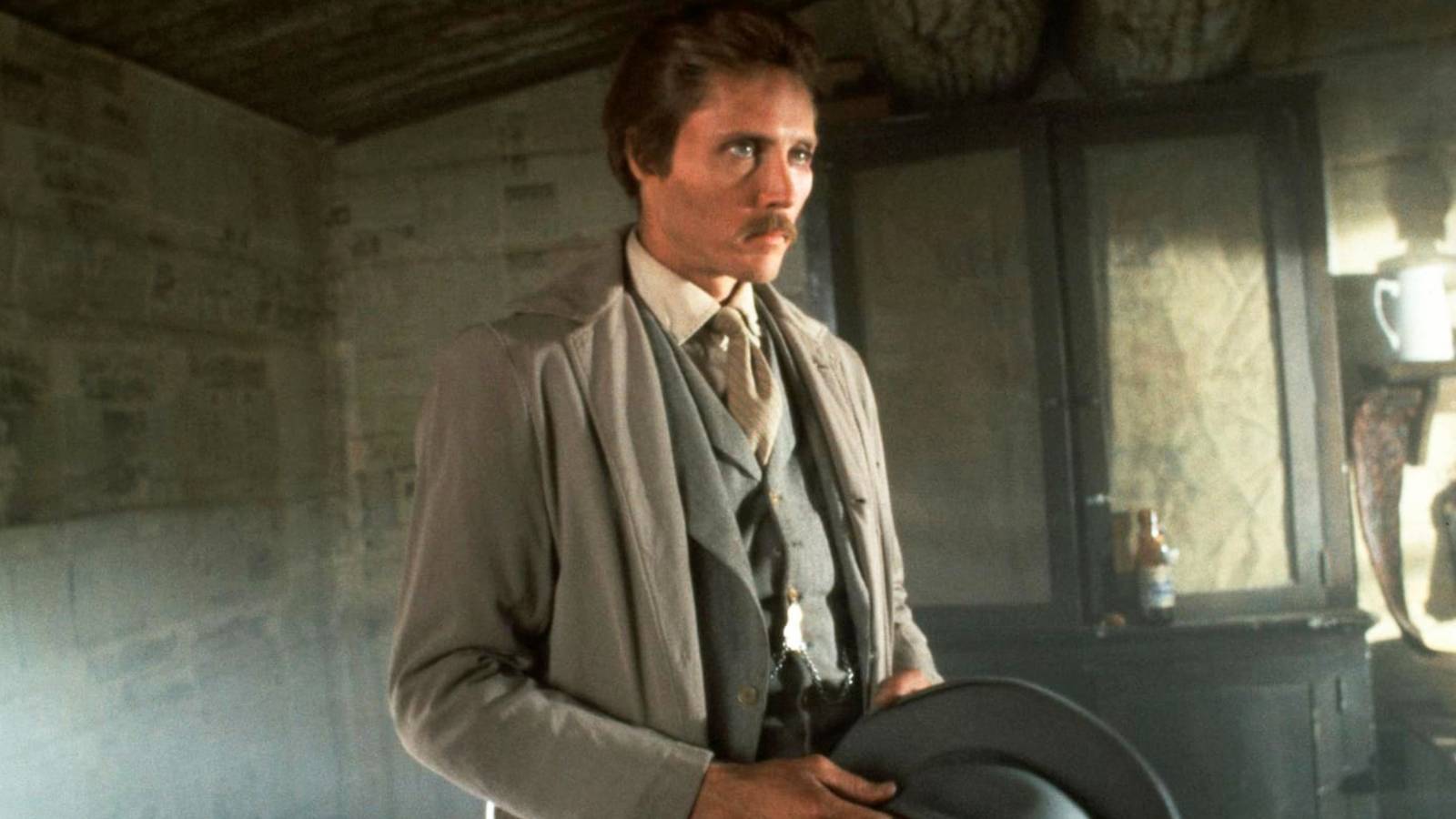
While no single movie destroyed the revolutionary New Hollywood movement of the 1970s, Michael Cimino's Heaven's Gate (1980) often shoulders the blame. The era, defined by unprecedented director control, produced masterpieces but also unchecked excess. Heaven's Gate became synonymous with the latter. Plagued by notorious production troubles and negative press, its catastrophic reception signaled to studios that the auteur-driven free-for-all was financially untenable, effectively closing the book on one of cinema's most creatively fertile periods.
Directorial Downfalls and Studio Shakeups
Fresh from the triumph of Apocalypse Now, Francis Ford Coppola aimed for a radical departure with the musical fantasy One from the Heart (1982). The gamble backfired spectacularly. Coppola poured his own fortune into the film, nearly bankrupting his Zoetrope Studios. While he continued directing, the film is widely seen as the end of his unparalleled 1970s hot streak—a run that included The Godfather films and The Conversation—and a stark lesson in the limits of creative risk.
The Last Waltz for Hand-Drawn Magic
Disney's 2011 Winnie the Pooh adaptation now holds a melancholy distinction: it's the studio's most recent traditionally animated feature. The charming film was well-reviewed but met with audience indifference at the box office. Its commercial failure seemingly convinced Disney to fully pivot to computer-generated animation and live-action remakes, styles that have since dominated their slate. For lovers of hand-drawn artistry, the film stands as a poignant farewell to a classic Disney form.
When Hybrid Animation Lost Its Spark
Ralph Bakshi's Cool World (1992) attempted to capture the anarchic, live-action/animation blend of Who Framed Roger Rabbit but with a darker, more adult edge. Its failure did more than damage Bakshi's career; it chilled Hollywood's enthusiasm for ambitious, provocative hybrid animation for years. The film demonstrated that blending cartoons with real actors required a precise alchemy that couldn't be easily replicated, stalling a promising subgenre in its tracks.
The Musical That Sang Its Own Swan Song
The 1973 musical remake of Lost Horizon was a catastrophic misfire. Arriving after the grittier, more sophisticated success of Cabaret, its old-fashioned, lavish production numbers felt desperately out of step. The expensive film flopped critically and commercially, delivering what many consider the final blow to the era of big, bright, and simple Hollywood musicals. It proved that audience tastes had evolved, demanding more complexity than pure escapism.
These films serve as stark reminders that in Hollywood, money is the ultimate critic. A single failure can reshape the creative decisions of an entire industry for decades. While some, like Heaven's Gate, have been re-evaluated by cult audiences, their initial impact was irreversible. They stand as monuments to moments when the industry collectively decided, "Never again."
For every record-smashing hit like 'Project Hail Mary', there are cautionary tales that reset the rules. These box office flops didn't just end productions; they ended eras, teaching Hollywood some of its most expensive—and enduring—lessons.