For decades, fans of The Lord of the Rings have debated which towers the title The Two Towers actually refers to. While Peter Jackson's film famously has Saruman declare the union of Orthanc and Barad-dûr, author J.R.R. Tolkien had a very different pair in mind. The real answer lies in Tolkien's own notes, letters, and even the original book cover art.
Tolkien's Definitive Choice: Orthanc and Minas Morgul
In the original dust jacket for The Two Towers, Tolkien himself illustrated the answer. The cover features a white tower with a moon and nine rings on the left, and a dark tower with a star and a white hand on the right. The dark tower is unmistakably Orthanc, Saruman's stronghold in Isengard, marked by the white hand of Saruman. The white tower, however, is Minas Morgul—the fortress of the Nazgûl. The moon symbol and nine rings directly reference Minas Morgul's original name, Minas Ithil (Tower of the Moon), and the nine Ringwraiths who dwell there.
Tolkien confirmed this in a note added to the final draft of The Fellowship of the Ring in February 1954. He wrote that the second volume is called The Two Towers because the events are dominated by Orthanc and the fortress of Minas Morgul, which guards the secret entrance to Mordor. This aligns with the book's narrative, where Frodo and Sam's journey through the Morgul Vale, the fight with Shelob, and the escape from Cirith Ungol all occur in The Two Towers.
Why Tolkien Struggled with the Title
Tolkien never liked the title The Two Towers and only accepted it at his editors' insistence. He even briefly considered other candidates, including Cirith Ungol, Barad-dûr, and Minas Tirith. In a letter to his editor Rayner Unwin, he mused that the title could be left ambiguous, but later settled on Orthanc and Cirith Ungol—only to realize that would be misleading given the central opposition of the Dark Tower and Minas Tirith. Ultimately, the cover art and his official note made Minas Morgul the definitive second tower.
The structure of the book itself complicated matters. The Lord of the Rings is divided into six books, with The Two Towers containing Books 3 and 4. These two books tell widely divergent stories—one follows Aragorn, Legolas, and Gimli; the other follows Frodo and Sam. The title was meant to provide connective tissue between these separate threads, but Tolkien admitted it was the best he could come up with at the time.
Peter Jackson's Film Adaptation
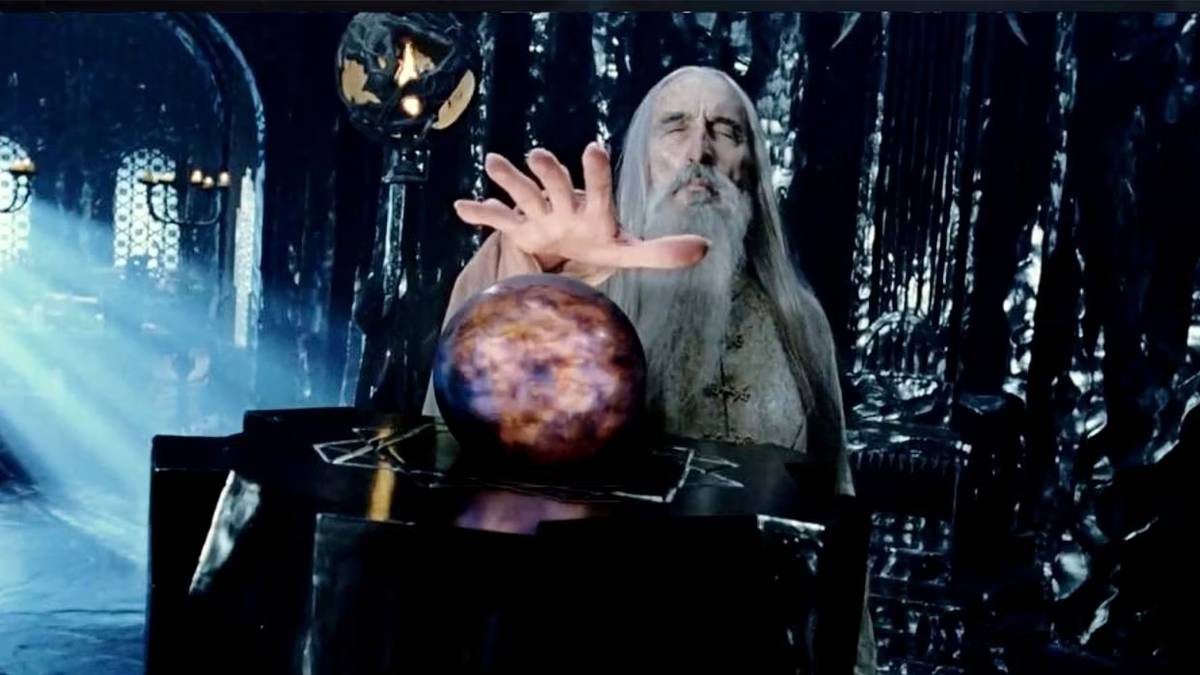
Peter Jackson's film trilogy took a different approach. To streamline the narrative, Jackson moved Frodo and Sam's entrance into Mordor to The Return of the King, leaving The Two Towers without a clear second tower from the book. Barad-dûr, Sauron's dark fortress, became the obvious choice to pair with Orthanc, especially given Saruman's dramatic speech about the union of the two towers. While Tolkien briefly considered Barad-dûr, he ultimately rejected it in favor of Minas Morgul.
For fans seeking a deeper dive into Middle-earth lore, the new Lord of the Rings Black Rider collectible arriving in summer 2026 is a must-see. And for those curious about other adaptations, 'Beacon 23' on Prime Video offers a fresh sci-fi perspective worth revisiting.
So, the next time you watch The Two Towers, remember: Tolkien's true two towers were Orthanc and Minas Morgul—a detail that adds another layer of depth to an already rich legendarium.