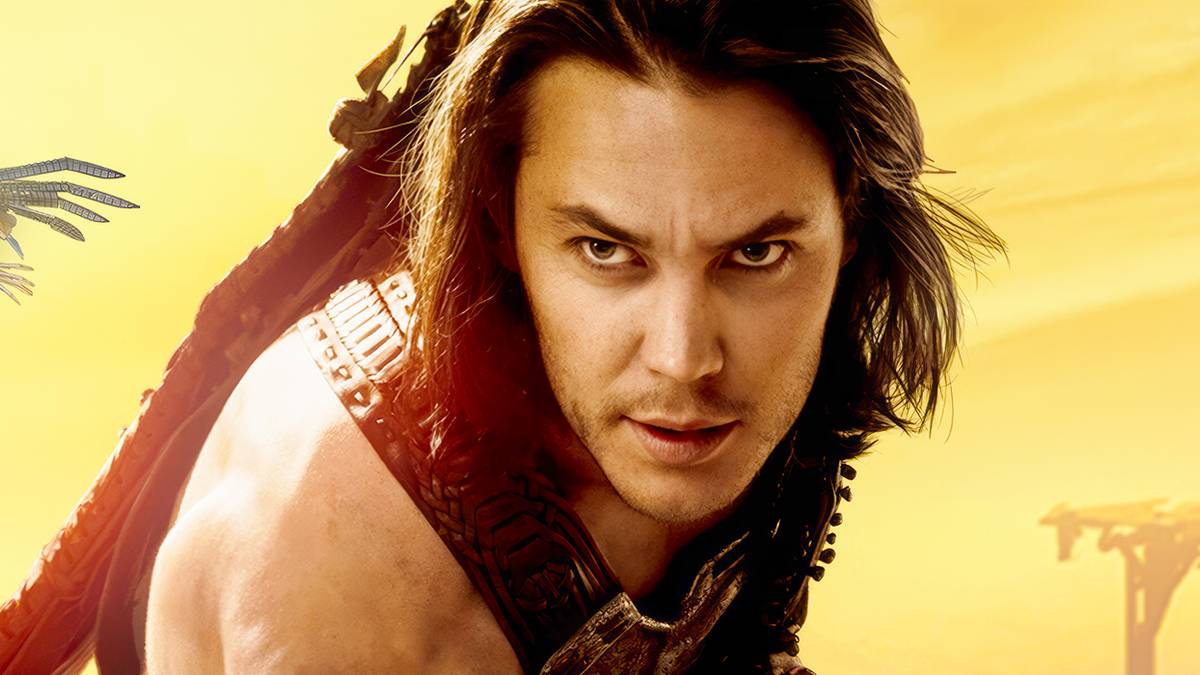
In the constellation of Hollywood's sci-fi ambitions, few stars shine as brightly as Tom Cruise. From the time-loop thrills of Edge of Tomorrow to the aerial spectacle of Top Gun: Maverick, he's built a legacy on ambitious projects. Yet one epic adventure persistently eluded him: the lead role in Disney's 2012 film John Carter. Despite his fervent interest, the part ultimately went to Taylor Kitsch, setting the stage for one of cinema's most infamous box office bombs—and a subsequent cult revival.
The A-List Casting Battle That Never Was
Director Andrew Stanton, the Pixar visionary behind Finding Nemo and WALL-E, faced a daunting task in casting his live-action debut. In an oral history, Stanton revealed that while he was already set on Taylor Kitsch, Tom Cruise made a passionate play for the role. "Tom had a long history with the material," Stanton noted, acknowledging Cruise's professionalism even in disappointment. This wasn't Cruise's first brush with the project; back in 1990, Disney envisioned him starring opposite Julia Roberts in an adaptation, with Die Hard director John McTiernan attached.
A Production Packed with Promise
On paper, John Carter had all the ingredients for success. Adapted from Edgar Rice Burroughs' seminal A Princess of Mars novels, the film boasted a script co-written by Pulitzer Prize-winning novelist Michael Chabon (Spider-Man 2) and a stellar supporting cast including Bryan Cranston, Willem Dafoe, and Mark Strong. Stanton's Pixar pedigree promised groundbreaking visuals, particularly in bringing the alien Tharks to life with emotional depth rarely seen in CGI characters at the time.
The Marketing Misfire That Doomed a Franchise
So what went wrong? The answer lies in one of Hollywood's most notorious marketing failures. Stanton made several puzzling choices: he omitted his Pixar association from promotions, opted for the generic title John Carter over the more evocative A Princess of Mars, and was hampered by a Disney marketing executive with no film experience. One Disney insider bluntly told Vulture it was "one of the worst marketing campaigns in the history of movies." The result was a $250 million loss that overshadowed the film's genuine qualities.
Reappraising a Sci-Fi Gem
Time has been kind to John Carter. Viewers discovering it on streaming platforms have found a richly imagined world with political intrigue rivaling Dune and epic worldbuilding that feels surprisingly contemporary. Stanton and Chabon successfully distilled Burroughs' pulpy adventure into a film balancing action, humor, and heart. It stands as a prime example of overlooked classics that get better with age, much like other films that found their audience long after theaters.
Disney's Pivot Point
The film's failure marked a significant turning point for Disney. Just months later, The Avengers dominated the box office and Disney acquired Lucasfilm. The studio shifted its sci-fi focus entirely to the Marvel Cinematic Universe and Star Wars, leaving projects like John Carter as costly lessons. This strategic move toward established franchises changed Hollywood's landscape, though occasionally, original sci-fi still breaks through, as seen with hits like Project Hail Mary.
Legacy of a Lost Epic
John Carter remains a fascinating case study in execution versus intent. Stanton delivered a visually stunning, faithful adaptation that failed to connect with audiences initially. Its journey from box office bomb to cult favorite mirrors other sci-fi classics that reveal new depths with each viewing. While Tom Cruise's star power might have altered its financial fate, the film's enduring appeal proves it succeeded on its own terms—no A-list savior required. It's a reminder that sometimes, the best cinematic treasures are those that must be rediscovered.