One of the toughest tricks in cinema is making a trilogy feel like a single, escalating story. Too many franchises start strong, then fizzle out with lazy repeats or jarring tonal shifts. The great ones, however, know that each chapter must push the narrative forward—raising stakes, deepening characters, and often reinventing the genre itself. Here are eight trilogies that got bolder, more ambitious, more emotional, or more intense with every installment.
The Wolverine Trilogy (2009–2017)
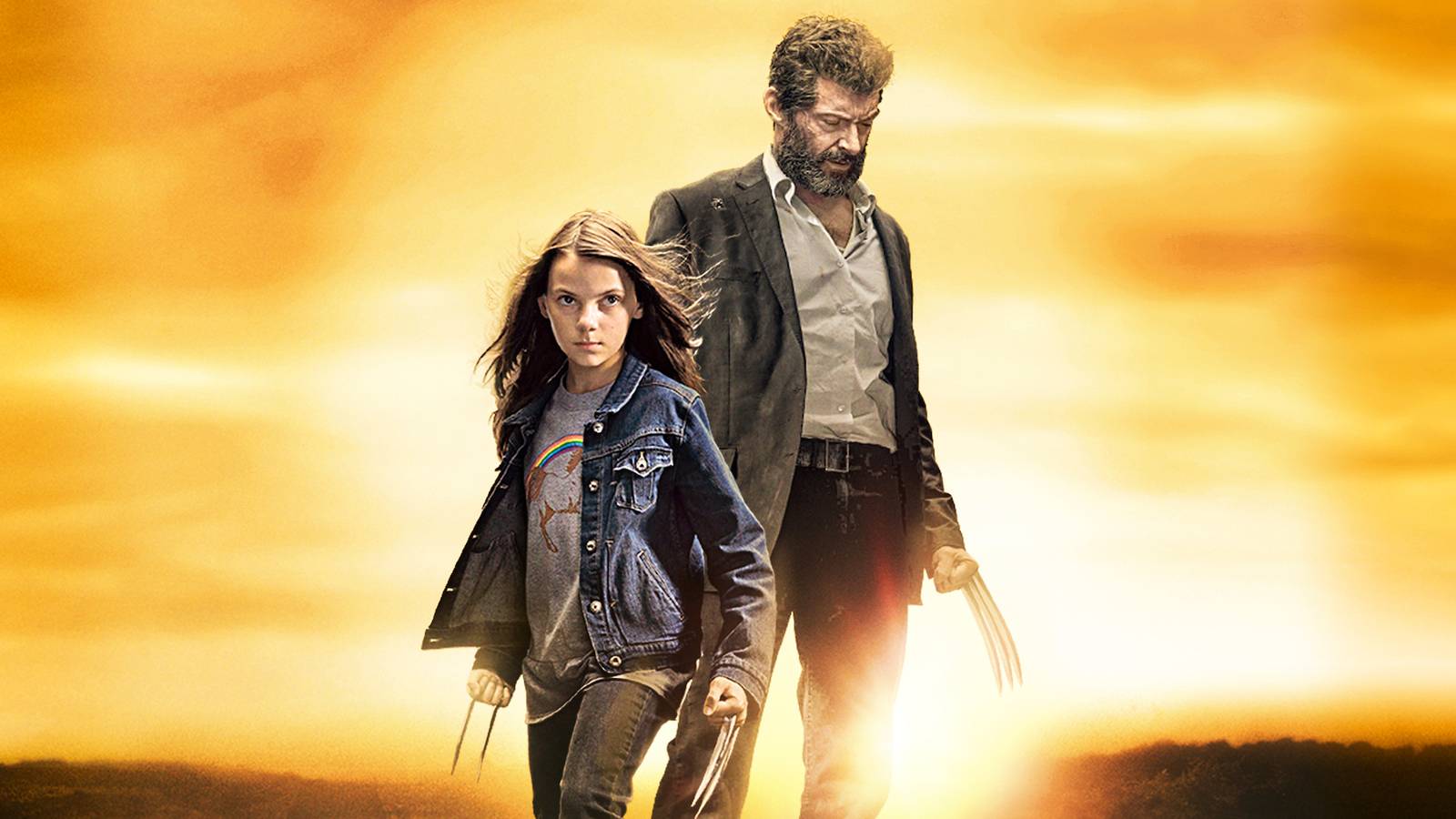
Hugh Jackman's solo Wolverine saga is a fascinating case of escalation through reduction. X-Men Origins: Wolverine was a messy origin story, The Wolverine found its footing with a more focused samurai-influenced tale, and Logan delivered a devastating, R-rated western about aging and legacy. Instead of bigger explosions, the trilogy stripped away superhero fantasy layer by layer, ending with a broken Logan protecting one child and a fading Professor X. That intimate battle felt more urgent than any world-saving apocalypse. For more on superhero storytelling, check out our review of Nicolas Cage's 'Spider-Noir'.
The Evil Dead Trilogy (1981–1992)
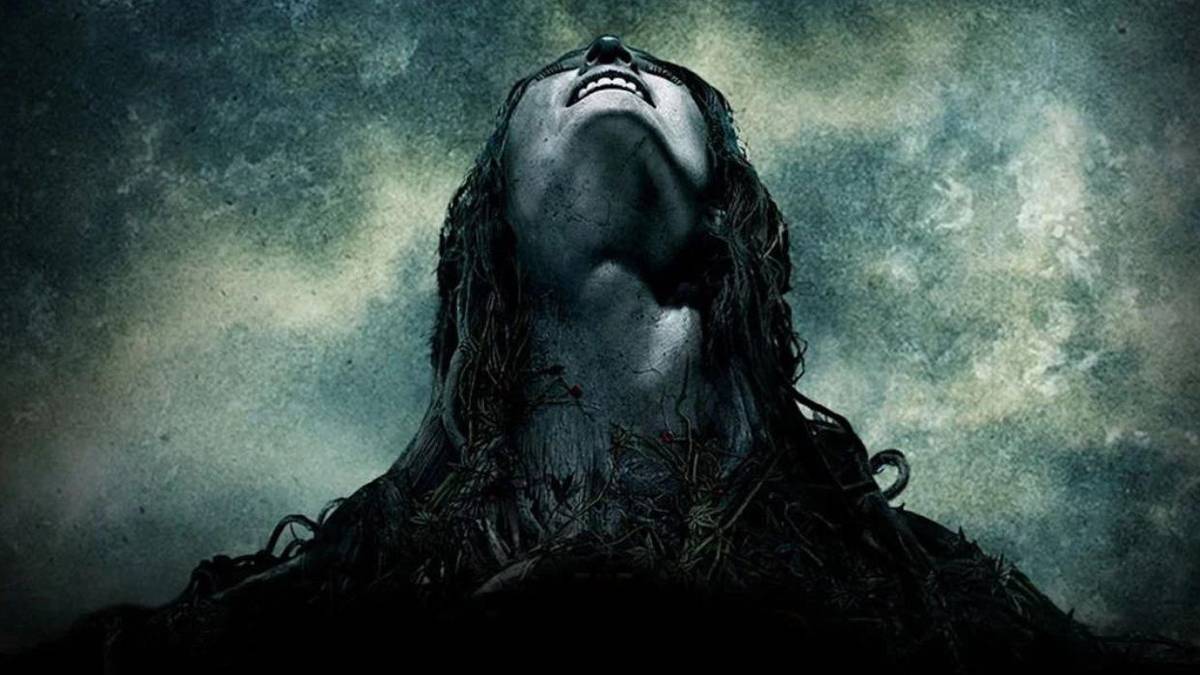
Sam Raimi's Evil Dead trilogy is a masterclass in tonal escalation. It starts as a gritty, low-budget horror in a remote cabin, then becomes a self-aware comedy-horror in Evil Dead II, and finally explodes into a medieval fantasy-comedy in Army of Darkness. The stakes grow from surviving one night to battling the forces of darkness across an entire kingdom. Ash (Bruce Campbell) transforms from a helpless victim to a resourceful survivor to a chainsaw-handed legend—all while keeping that signature "groovy" charm.
The Bourne Trilogy (2002–2007)
Matt Damon's amnesiac assassin trilogy—The Bourne Identity, The Bourne Supremacy, and The Bourne Ultimatum—widens its scope without losing its psychological core. Unlike many action franchises that just make explosions bigger, the Bourne films deepen the conspiracy, darken the emotional stakes, and make Jason Bourne more tragic with each revelation. Paul Greengrass's kinetic, grounded action choreography also grows more assured, making every fight feel visceral and personal.
The Dollars Trilogy (1964–1966)
Sergio Leone's spaghetti western trilogy—A Fistful of Dollars, For a Few Dollars More, and The Good, the Bad and the Ugly—escalated both style and substance. The early films abandoned Hollywood heroism for gritty antiheroes, and the finale perfected the formula into something operatic. Ennio Morricone's scores grew punchier and more elemental, while Leone's camera moved from intimate close-ups to massive battlefield imagery. By the time the cemetery showdown arrives, the trilogy had remade the entire western genre.
The Dark Knight Trilogy (2005–2012)
Christopher Nolan's Batman saga—Batman Begins, The Dark Knight, and The Dark Knight Rises—is more than the sum of its parts. Each film pushes harder on action, philosophy, and psychology. Bruce Wayne evolves from a traumatized vigilante into a symbol that inspires a city. The Dark Knight Rises heaps even more pressure on the hero, attacking him physically, spiritually, and politically. Gotham is isolated, institutions collapse, and Batman is broken—only to realize that the Bat must stand for more than vengeance. For more on Batman's legacy, see our piece on the LEGO Batman: Legacy of the Dark Knight.
The Original Star Wars Trilogy (1977–1983)
The original Star Wars trilogy begins with a straightforward adventure in A New Hope, then gets darker and more complex in The Empire Strikes Back, and culminates in the emotional and epic Return of the Jedi. The stakes escalate from a rebellion against an evil empire to a personal battle between father and son, with the revelation "I am your father" forever changing the saga's emotional weight. Each film builds on the last, deepening the mythology and the characters' arcs.
These trilogies prove that escalation isn't just about bigger budgets or louder explosions—it's about evolving the story, the characters, and the themes in ways that feel both surprising and inevitable. Whether it's a chainsaw-wielding hero or a broken mutant, the best trilogies leave us feeling that each chapter was a necessary step toward something larger.