Some TV shows feel less like programming and more like artifacts you stumble upon in the dead of night. Sapphire & Steel is exactly that kind of discovery. This 1970s British series doesn't announce itself with flashy effects or tidy explanations. Instead, it creeps in like a half-remembered nightmare, quietly unsettling you before you even realize what's happening.
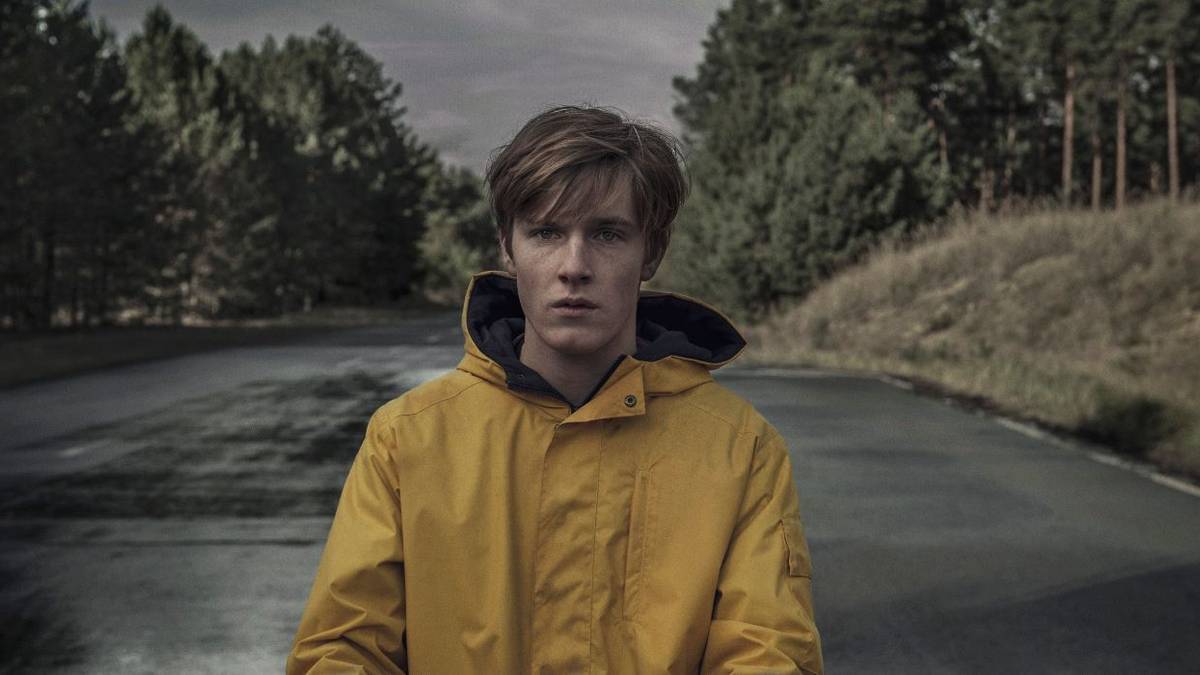
Long before Dark turned temporal paradoxes into highbrow grief therapy, Sapphire & Steel was already exploring cosmic horror where reality itself seems slightly corrupted. The show's brilliance lies in what it refuses to explain. It understands that mystery thrives in the gaps, and that nothing kills dread faster than a character pausing the action to lecture about rules. Confusion, here, is part of the terror.
A Premise That Feels Like a Panic Attack
On paper, the setup is simple: Sapphire (Joanna Lumley) and Steel (David McCallum) are enigmatic agents investigating disturbances in time. But the show treats this premise less like a sci-fi adventure and more like a recurring anxiety dream. Time is dangerous. Memories are dangerous. Even nursery rhymes can turn deadly. The locations they visit feel contaminated by something inexplicable.
One story traps a family inside a house where old rhymes bleed into reality. Another unforgettable episode, “Assignment Two,” unfolds in an abandoned railway station where soldiers trapped in old photographs begin crossing into the real world. The station itself is just empty corridors and stale air, yet every scene carries an awful sense that reality has shifted out of alignment. It's like the building exists half a step outside the normal world, and no one inside fully realizes it.
The Art of Withholding Information
What makes Sapphire & Steel feel so fresh today is its stubborn refusal to hold viewers' hands. Characters speak in fragments, important ideas drift through conversations without proper explanations, and entire scenes feel like they started five minutes before you arrived. Modern genre TV often panics if audiences spend too long confused. This show practically builds a summer home there.
That restraint gives the series a weirdly modern edge. A lot of streaming sci-fi is so busy explaining itself that the mystery dies before the tension settles. Sapphire & Steel does the opposite. It leaves empty spaces everywhere: quiet corridors, half-finished conversations, long pauses where someone stares at something just outside the frame while your brain fills in possibilities far worse than anything the budget could show. For fans of atmospheric storytelling, this is a treat akin to near-perfect soft sci-fi masterpieces that only get better with age.
A Haunted Broadcast
The show genuinely looks haunted. Old BBC production limitations add to the atmosphere instead of fighting it. Dim lighting and strange sound design create an unsettling feeling from the first scene. In “Assignment Four,” an ordinary apartment slowly starts feeling less like a home and more like somewhere reality itself has gone rotten. There are moments where someone simply stands in a hallway talking quietly, yet the tension feels thick enough to chew through.
Lumley's Sapphire is calm and unreadable, never quite settling into comfort. McCallum's Steel often sounds like someone attempting a human conversation while actively regretting the assignment. They don't bounce off each other like most TV partners. There's no playful banter or romantic tension. They feel colder than that—less like investigators solving mysteries and more like entities briefly stepping into human spaces because someone has to clean up the mess.
The sound design deserves part of the credit. Music drifts in at odd moments, as if cueing something lurking nearby. Silence hangs around scenes longer than it should. That atmosphere gets its hooks into you fast. One episode turns into three because the show creates an anxious momentum where you desperately want answers, even while realizing answers might make the whole thing less frightening.
Maybe that's why Sapphire & Steel still works so well. Beneath all the old BBC grime and strange '70s textures, it taps into that uneasy feeling that things might suddenly shift sideways without warning while everyone else keeps acting normal. Once it gets into your head, it hangs around for days afterward like a bad dream you can't fully remember. For those seeking a truly unique TV experience, this is a hidden gem worth discovering—much like forgotten animated gems that deserve a second look.